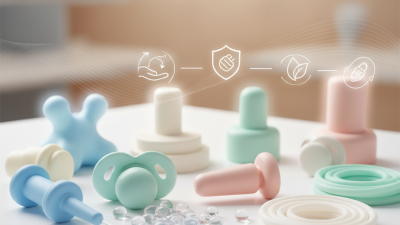
Picking the right materials can really make or break your project, especially when you're dealing with things like Soft TPE Compounds. These materials are pretty popular because they’re flexible, durable, and generally easy to work with. But here’s the thing — with so many options out there, figuring out which Soft TPE is the best fit can get kinda overwhelming. That’s why really understanding what you need is the first step to making a smart choice.
When you're shopping around, think about stuff like how the material performs, whether it ticks all the safety and regulatory boxes, and even eco-friendliness. Not all Soft TPEs are made the same—some might fade or crack under pressure, or not meet safety standards. Doing a bit of homework on suppliers can really pay off. A good partner isn’t just about selling you something; they’ll share insights and practical tips to help you figure out what works best for your project.
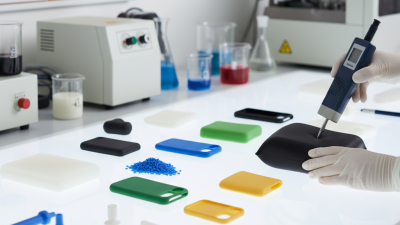
And don’t skip testing samples before buying in bulk. Trying out small batches helps you see how the material actually performs in real-world scenarios. I get it—this step can seem like a hassle, but trust me, taking the time to evaluate your options carefully will save you headaches down the line. It helps ensure you end up with Soft TPE Compounds that meet your expectations and keeps future issues at bay.
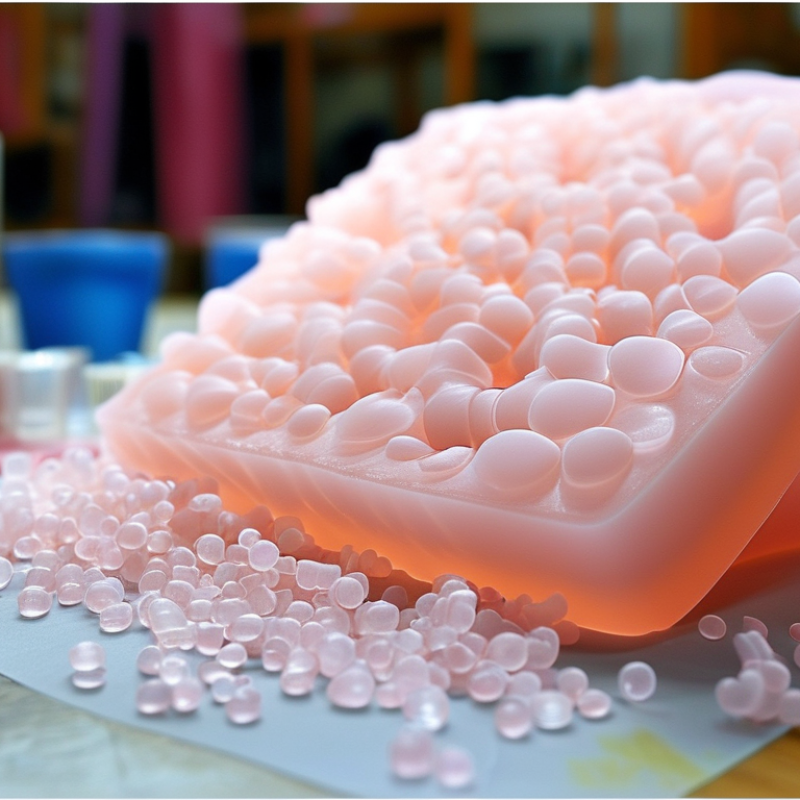
Understanding TPE: Key Characteristics of Soft Thermoplastic Elastomers
Thermoplastic elastomers (TPEs) are known for their versatility and unique properties. Soft TPE compounds exhibit flexibility, durability, and excellent elasticity. These characteristics make them suitable for various applications, from automotive parts to consumer goods. According to a recent industry report by MarketsandMarkets, the global TPE market is projected to reach USD 20 billion by 2025, driven by growing demand in numerous sectors.
When selecting soft TPE compounds, it's essential to understand their key characteristics. Soft TPEs typically have Shore A hardness ranging from 10 to 80. This range indicates their softness and compressibility. The compounds can also exhibit excellent impact resistance and low-temperature flexibility. Additionally, they are recyclable, which contributes to sustainable practices in manufacturing.
Tip: Evaluate your specific application requirements before selecting a compound. Consider the operating environment, such as temperature ranges and exposure to chemicals.
Another factor to consider is the processing method. Soft TPEs can be processed through injection molding and extrusion techniques. Understanding these methods will help optimize your production efficiency.
Tip: Don’t overlook the importance of testing. Conduct thorough tests to ensure that the chosen Elastic Tpe Compounds meet your performance criteria. This step is often not prioritized, yet it can save time and resources.
Choosing the right soft TPE compounds requires careful analysis and understanding of their properties. Balancing these aspects can lead to better performance and application success.
Applications of Soft TPE Compounds in Various Industries
Soft thermoplastic elastomers (TPEs) are versatile materials used across numerous industries. Their unique properties, such as flexibility and resilience, make them ideal for various applications. In automotive manufacturing, Lightweight Tpe Compounds improve vehicle performance while reducing overall weight. This leads to better fuel efficiency, benefiting both manufacturers and consumers.
In the medical field, soft TPE compounds are utilized in products like tubing and connectors. These materials are chosen for their biocompatibility and softness. They ensure patient comfort during medical procedures. However, some researchers note the need for better biodegradation options to address environmental concerns.
Consumer goods also benefit from soft TPEs. Items such as phone cases and kitchen gadgets utilize these compounds for their grip and durability. While many designs effectively enhance usability, some products still fail to meet the longevity expected by consumers, highlighting the need for ongoing innovation in materials. The balance between performance and sustainability remains a critical challenge.
Applications of Soft TPE Compounds in Various Industries
Comparative Analysis: Soft TPE vs. Other Elastomers
Soft Thermoplastic Elastomers (TPE) have gained attention due to their unique properties. They combine the flexibility of rubber with the processing ease of plastics. When compared to other elastomers, soft TPE shows a unique versatility. For example, it often provides superior softness and flexibility, making it suitable for applications requiring tactile qualities.
However, not all TPE compounds are created equal. Competitors include natural rubber and silicone. While natural rubber delivers excellent elasticity, it may not withstand extreme temperatures like TPE. Silicone, on the other hand, excels in high-temperature environments but lacks the same level of softness. These differences can affect end-use performances significantly.
Choosing the right material can be complex. It requires a deep understanding of the specific requirements. Factors such as temperature, flexibility, and environmental resistance must be considered. Failure to evaluate these conditions may lead to subpar performance. Each application demands specific characteristics, making it vital to analyze all options carefully. While TPE is often preferred, it may not be ideal for every situation. Thus, it's essential to reflect on what material truly fits your needs.
Factors Influencing the Selection of Soft TPE Compounds
When choosing soft TPE compounds, several factors play a critical role. Understanding your project’s specific requirements is essential. The application area, such as consumer products or medical devices, significantly influences material selection. For example, a 2022 report indicated that 65% of manufacturers prioritize material flexibility when designing consumer goods. This flexibility often determines the overall comfort and usability of the final product.
Another significant aspect is the hardness or Shore A value of TPE compounds. Industry data suggests that materials with a Shore A value between 30 and 70 are popular for soft-touch applications. However, many users overlook the impact of temperature stability. TPEs can behave differently under varying temperatures, impacting performance. For instance, if an application is subjected to extreme heat, a compound with high thermal resistance should be chosen to avoid deformation.
Lastly, consider the environmental factors and regulatory compliance related to TPE usage. Reports indicate a growing trend towards eco-friendly compounds. However, with this, you may face challenges in maintaining the desired performance. Finding the balance between sustainability and functionality requires careful assessment. Ultimately, trial and testing remain critical in identifying the best fit for specific applications.
Mechanical Properties of Soft TPEs: What to Consider
When selecting soft thermoplastic elastomers (TPEs), understanding their mechanical properties is essential. Soft TPEs offer flexibility and durability, but not all compounds are created equal. Factors such as hardness, tensile strength, and elongation should be examined closely.
Hardness is often measured on the Shore A scale. A higher Shore A value indicates a firmer material, which may not provide the desired softness.
Tensile strength is another critical aspect to consider. It measures the material's resistance to breaking under tension. Opt for a TPE that provides adequate tensile strength for your application. An ideal TPE should balance flexibility and strength.
Elongation at break reveals how much a material can stretch before failing. Higher elongation values indicate greater flexibility, which could be vital for specific applications.
While aesthetics and color options are attractive, they should not overshadow mechanical properties. Test the materials under actual use conditions. This can highlight any potential weaknesses. Consider environmental factors, such as temperature and exposure to chemicals, during your evaluation. The goal is to find TPEs that meet your specific performance criteria without compromising on other critical features.
Evaluating the Environmental Impact of TPE Compounds
When considering Tpe Compounds, evaluating their environmental impact is crucial. Many TPE formulations contain additives that can be harmful to nature. The production and disposal of these compounds should be examined closely. Some TPE materials can be recycled, while others might end up in landfills. The sustainability of these compounds often varies widely, so understanding their lifecycle is essential.
Tips: Look for TPE compounds that are certified eco-friendly. Check for recycling symbols and documentation from manufacturers.
It’s important to recognize that not all TPE compounds are created equal. Some are biodegradable, while others may leach harmful substances. Researching the compatibility of TPE materials with environmental standards can guide better choices. This effort helps reduce overall pollution.
Tips: Engage with suppliers about their TPE compounds. Ask for detailed information regarding their environmental practices. Choosing the right materials can have a lasting impact.
Market Trends: The Future of Soft TPE Compounds in Manufacturing
Soft TPE compounds are reshaping various manufacturing sectors. Companies are increasingly choosing these materials for their versatility. The rise of eco-friendly options has led to a surge in market demand. Manufacturers are focusing on sustainable practices, using Tpv Compounds to enhance product durability and recyclability.
Trends indicate a shift towards customization. Businesses want specific properties for their products. This demand pushes suppliers to innovate. They are developing softer, more flexible compounds tailored to customer needs. However, not all soft TPE compounds meet these varying demands effectively. Understanding the right application for each type remains a challenge for many manufacturers.
Additionally, the regulatory landscape influences market trends. Compliance with sustainability standards is essential. Producers must adapt their formulations to align with these regulations. This requirement can restrict creativity, yet it also drives improvement. Balancing innovation with responsibility is key. The future of soft TPE compounds will hinge on maintaining this equilibrium while meeting performance expectations.
Exploring High-Quality Thermoplastic Elastomers (TPE) from China: Advantages of Natural and Semi-Transparent Options
Exploring the advantages of high-quality thermoplastic elastomers (TPE) manufactured in China, it’s clear that natural and semi-transparent options are at the forefront of innovation. These materials are distinguished by their exceptional hardness range of 15A to 60D, allowing for versatility across numerous applications. The natural color and translucent finishes not only provide an aesthetically pleasing look but also underscore the functional benefits that these materials offer.
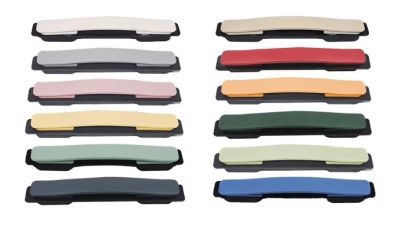
The inherent characteristics of these TPE products include high rebound performance, remarkable strength, and superior wear resistance, making them ideal for demanding environments. This robust performance makes them a superior alternative to silicone in various applications, including load-bearing industrial casters, luggage casters, and even yoga straps and tension belts. The combination of durability and functionality ensures that these materials not only meet but exceed the expectations of industries ranging from travel to fitness, making them an essential choice for manufacturers looking to enhance the quality of their products.
FAQS
: TPEs are flexible, resilient materials used in various industries for their unique properties.
They reduce overall vehicle weight, which leads to improved fuel efficiency for manufacturers and consumers.
TPEs are used in tubing and connectors, ensuring patient comfort during procedures due to their softness.
Yes, some researchers highlight the need for better biodegradation options to reduce their environmental impact.
Items like phone cases and kitchen gadgets utilize TPEs for their grip and durability, improving usability.
Certain products may not meet durability expectations, indicating a need for continued innovation and improvement.
Factors like temperature, flexibility, and environmental resistance are crucial for ensuring appropriate material performance.
TPE offers superior softness, while natural rubber has excellent elasticity and silicone performs better in high temperatures.
No, TPE may not be suitable for all situations, requiring a careful analysis to find the right material fit.
A deep understanding of specific requirements is essential to avoid subpar performance in various applications.
Conclusion
This article provides comprehensive insights into Soft TPE Compounds, focusing on their unique characteristics and versatile applications across various industries. It begins with an exploration of the key traits of soft thermoplastic elastomers, followed by an analysis comparing Soft TPEs with other elastomers. Factors such as mechanical properties, environmental impact, and market trends are discussed, helping readers understand what influences the selection of the appropriate Soft TPE Compounds for their specific needs.
Additionally, the article addresses the increasing relevance of Soft TPE Compounds in manufacturing, driven by their flexibility and sustainability. With a growing emphasis on eco-friendly materials, manufacturers are increasingly considering the environmental implications of their choices. This summary serves to equip readers with the necessary knowledge to make informed decisions regarding Soft TPE Compounds in their respective applications.


 Contact Phone
 Contact Email