

In today’s world of product development, you really can’t overstate how important it is to use materials that are both safe and eco-friendly. One material that’s been getting a lot of buzz lately is Food Grade TPE (Thermoplastic Elastomer). I recently came across insights from Dr. Emily Johnson, a top researcher at the Sustainable Materials Institute, who emphasized just how crucial it is. She said, “Using Food Grade TPE not only makes products safer but also lines up with green practices, helping us move toward a more sustainable future.” That pretty much sums up what makes Food Grade TPE so special — it’s this perfect combo of safety and environmental responsibility.
Basically, Food Grade TPE is built specifically with food industry needs in mind. If you’re a manufacturer trying to meet strict safety rules without losing quality, this is a game-changer. It’s flexible and tough — a great alternative to older materials — allowing products to cater to all sorts of consumer needs while also keeping health and safety front and center. Looking at what makes Food Grade TPE so essential, it’s clear that this isn’t just some passing trend. It’s becoming a key part of responsible, forward-thinking manufacturing practices — and honestly, it’s set to change the game for the better.

Food grade thermoplastic elastomers (TPE) are crucial materials in the production of safe and sustainable products. These materials are specifically designed to meet stringent safety and health standards, ensuring that they are safe for contact with food. Food grade TPEs are characterized by their non-toxic composition, which typically includes a mix of polymeric materials that exhibit both rubber-like and plastic properties. This unique combination allows for flexibility, durability, and resistance to various environmental factors, making them ideal for use in applications such as food packaging, kitchen utensils, and medical devices.
The composition of food grade TPE materials often includes various additives that enhance their performance without compromising safety. These additives might include stabilizers, plasticizers, and fillers, all of which are carefully selected to comply with food safety regulations. The materials undergo rigorous testing and quality control processes to ensure that they do not leach harmful substances when in contact with food. By using food grade TPE, manufacturers can not only enhance the safety of their products but also contribute to sustainability efforts, as these materials are often recyclable and can be produced with a lower environmental impact compared to traditional plastics.
Food safety regulations play a crucial role in the selection of materials for food-grade products, ensuring that consumer health is prioritized throughout the supply chain. According to a report from the Food and Drug Administration (FDA), nearly 48 million people in the United States suffer from foodborne illnesses each year, underscoring the importance of rigorous material standards. The selection of safe materials, such as food-grade thermoplastic elastomers (TPE), is vital due to their non-toxic nature and resistance to bacterial growth. These properties make TPEs ideal for applications that come into direct contact with food, providing peace of mind to manufacturers and consumers alike.
Moreover, industry standards such as those set by the European Union's Plastics Regulation highlight the necessity of adhering to stringent guidelines during material selection. This regulation mandates comprehensive testing to ensure that materials do not leach harmful substances into food. For instance, studies indicate that food-grade TPEs must meet specific criteria for migration limits, ensuring that any potential transfer of chemicals to food remains within safe levels. By utilizing materials that comply with these regulations, manufacturers can not only enhance product safety but also contribute to a more sustainable food supply chain, thus fostering consumer trust and compliance with international food safety standards.
| Material Type | Compliance Standards | Application Areas | Sustainability Features | Safety Benefits |
|---|---|---|---|---|
| Food Grade TPE | FDA, EU Regulation 10/2011 | Packaging, Kitchen Tools, Medical Devices | Recyclable, Low Carbon Footprint | Non-toxic, Odorless, Resistant to Bacteria |
| Silicone | FDA, LFGB | Cookware, Bakeware, Food Storage | Biodegradable Options, Awareness of Material Source | Heat Resistant, Non-reactive with Food |
| Polypropylene | FDA, ISO 22000 | Food Containers, Cutlery, Straws | Recyclable, Lightweight | Chemical Resistance, Safe for Food Contact |
| Polyethylene | FDA, ASTM | Bags, Films, Liners | Widely Recyclable, Low Energy Use in Production | Durable, Non-toxic |
Food grade thermoplastic elastomers (TPE) are rapidly gaining traction in various industries as viable alternatives to traditional plastics and elastomers, particularly when it comes to safety and sustainability. Unlike conventional plastics, food grade TPE is manufactured without harmful additives, making it a safer option for food contact applications. This material boasts a non-toxic profile, which aligns with stringent food safety regulations, ensuring that harmful chemicals do not leach into food products. Furthermore, food grade TPE is highly resistant to temperature fluctuations and can withstand various cleaning processes, making it ideal for repeated use in food-related environments.
In comparison to traditional elastomers, food grade TPE offers superior flexibility and durability while maintaining a lightweight profile. This versatility allows manufacturers to design products that are not only functional but also eco-friendly. Unlike traditional plastics, which can take centuries to decompose and contribute to environmental pollution, food grade TPE can be recycled, reducing its overall impact on the planet. The combination of safety, performance, and sustainability makes food grade TPE an essential material for industries focused on producing safe and long-lasting products that prioritize consumer health and environmental responsibility.
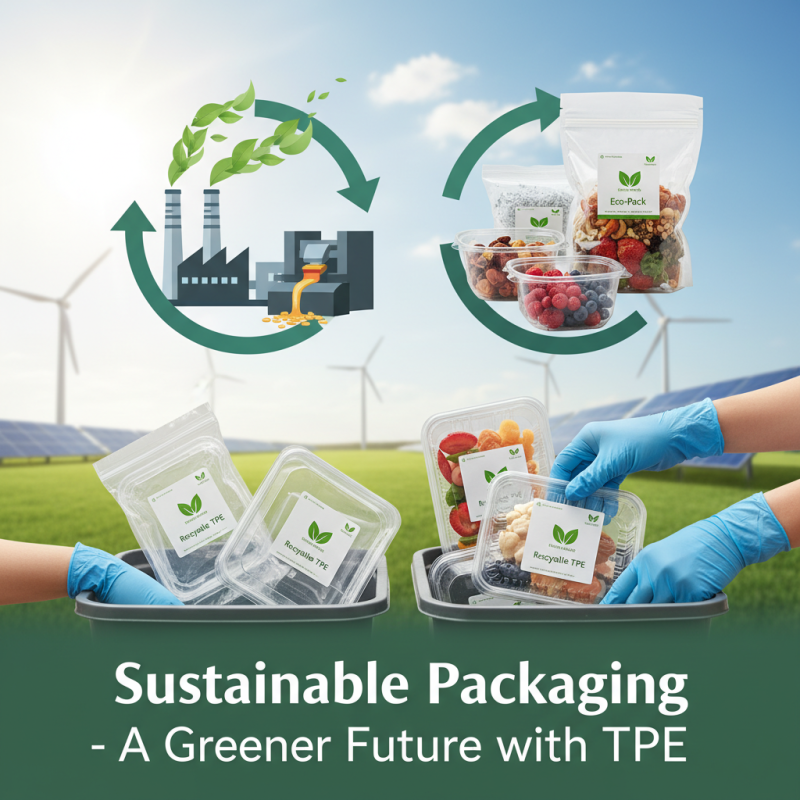
Food grade thermoplastic elastomers (TPE) are increasingly recognized for their environmental benefits, particularly in the realm of packaging. Unlike traditional materials that can contribute significantly to landfill waste, food grade TPE is designed to be more sustainable. It is fully recyclable, allowing manufacturers to reduce their carbon footprint and promote a circular economy. By integrating TPE into packaging solutions, companies can help mitigate plastic waste, ensuring a greener future for the planet.
Moreover, food grade TPE is non-toxic and free from harmful chemicals, making it a safer alternative for both consumers and the environment. This material’s durability means that it can withstand various conditions while still being lightweight, which reduces the energy consumption associated with transportation. Additionally, its flexibility and performance characteristics enable the production of innovative packaging designs that minimize material usage without compromising on quality. This holistic approach not only meets consumer demand for safe products but also aligns with global sustainability goals, highlighting the importance of eco-friendly materials in modern packaging practices.
Food Grade Thermoplastic Elastomer (TPE) has become increasingly vital in the food and beverage industry due to its unique properties that enhance safety and sustainability. One of the primary applications of food grade TPE is in food packaging materials. These materials must meet stringent regulatory standards to ensure that they do not leach harmful substances into food products. TPE provides an excellent solution, as it is free from phthalates and toxic chemicals, making it a safe choice for direct contact with food items. Moreover, its flexibility and durability allow for creative packaging designs that can extend shelf life while maintaining product integrity.
In addition to packaging, food grade TPE is also finding its way into manufacturing food processing equipment and utensils. With its high resistance to temperature fluctuations and mechanical wear, TPE ensures that tools and machines can withstand the rigors of food production without compromising hygiene or safety standards. Its smooth surface facilitates easy cleaning, thus minimizing the risk of contamination. Furthermore, the adaptability of TPE means it can be easily molded into various shapes and sizes, providing versatile solutions in both consumer products and industrial applications. This versatility is helping businesses innovate while adhering to growing consumer demands for safe and environmentally responsible products in the food and beverage sector.
The demand for safe materials in consumer products is increasingly evident in industry statistics, showcasing a clear preference among consumers for items made from food-grade TPE (Thermoplastic Elastomer). Research indicates that a significant portion of shoppers prioritize safety when selecting products, with over 70% expressing a willingness to pay more for items made from non-toxic materials. This trend highlights a growing awareness regarding the potential health risks associated with harmful substances in everyday products.
Moreover, studies show that consumer awareness surrounding sustainability plays a critical role in their purchasing decisions. Approximately 65% of consumers are more inclined to support products that are both safe and environmentally friendly. As manufacturers respond to this shift in preference, the adoption of food-grade TPE is becoming essential not only for compliance with health regulations but also for fostering consumer trust. The statistics reveal a clear market shift towards products that prioritize safety and sustainability, ultimately steering the industry towards more conscientious material choices.
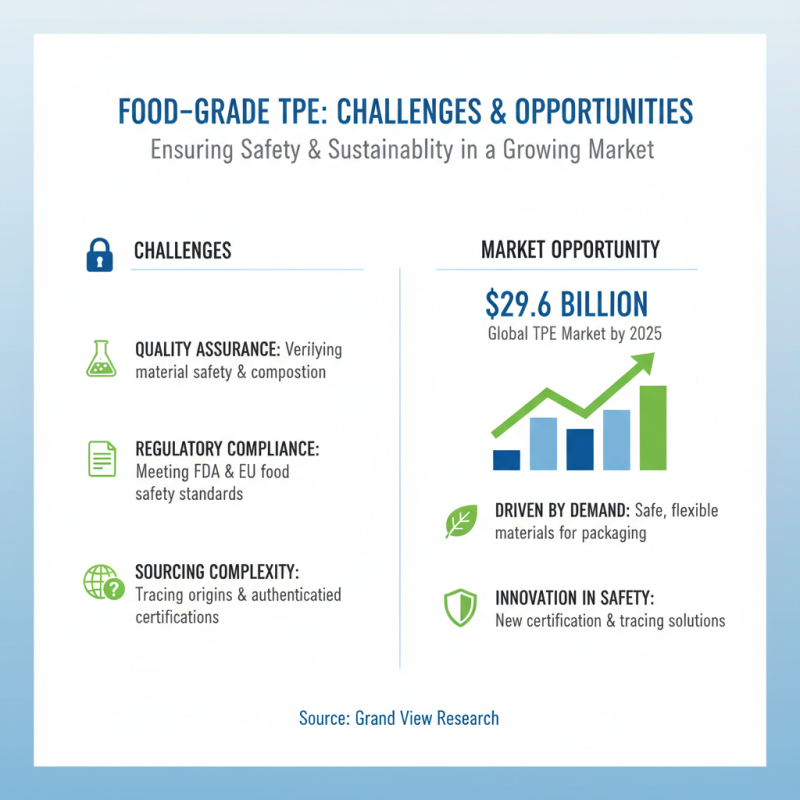
Sourcing and certifying food-grade Thermoplastic Elastomer (TPE) products presents significant challenges that manufacturers must navigate to ensure safety and sustainability. According to a report by Grand View Research, the global TPE market is projected to reach $29.6 billion by 2025, driven primarily by the rise in demand for safe, flexible materials in food packaging and consumer products. However, the complexities of quality assurance and compliance with food safety regulations can be daunting. Manufacturers often face difficulties in verifying the certifications of their materials and ensuring that they meet stringent health and safety standards established by regulatory bodies such as the FDA and EU regulations.
To successfully source food-grade TPE, it is crucial to work closely with suppliers who are transparent about their material testing processes and certification statuses. For instance, some reports indicate that nearly 44% of companies struggle with supply chain transparency, which can lead to non-compliance with food safety regulations. Therefore, establishing a robust supplier evaluation system is essential. Regular audits and assessments can help identify potential risks before they become critical issues.
Tips: Always request documentation for material certifications from suppliers and consider utilizing third-party testing labs for additional verification. Additionally, staying informed about changes in regulatory requirements can help ensure compliance throughout the product's lifecycle. Regular training for your product development teams regarding the latest food safety standards can also enhance overall product integrity.
: Food grade thermoplastic elastomers (TPE) are materials designed for safe contact with food, characterized by their non-toxic composition and a combination of rubber-like and plastic properties.
Food grade TPEs are commonly used in applications such as food packaging, kitchen utensils, and medical devices due to their flexibility, durability, and resistance to environmental factors.
Food grade TPEs may include additives like stabilizers, plasticizers, and fillers that enhance performance while complying with food safety regulations.
These materials undergo rigorous testing and quality control processes to ensure they do not leach harmful substances when in contact with food.
Manufacturers face challenges such as verifying material certifications, adhering to food safety regulations, and ensuring supply chain transparency.
A robust supplier evaluation system helps identify potential risks and ensures compliance with food safety regulations, thus protecting product integrity.
Manufacturers should request documentation for material certifications, use third-party testing labs for verification, and stay informed about changes in regulatory requirements.
Regular training can enhance the knowledge of product development teams about the latest food safety standards, thereby improving overall product integrity.
Yes, food grade TPEs are often recyclable and can be produced with lower environmental impacts compared to traditional plastics, supporting sustainability initiatives.
Certifications provide assurance that the materials meet stringent health and safety standards, which is essential for compliance and product safety.
Food Grade TPE (Thermoplastic Elastomer) is becoming increasingly essential in the development of safe and sustainable products, particularly within the food and beverage industry. Composed of non-toxic materials, Food Grade TPE meets stringent food safety regulations, making it a preferable alternative to traditional plastics and elastomers. Its unique properties allow for flexibility and durability while ensuring compliance with health standards, thus addressing consumer preferences for safe materials.
Moreover, Food Grade TPE offers significant environmental benefits, such as reduced carbon footprint and recyclability, positioning it as a more sustainable choice for packaging. Despite the advantages, challenges remain in sourcing and certifying these materials. Understanding these aspects is critical as the demand for safe and eco-friendly products continues to grow within the industry.