Lately, there's been a real jump in demand for transparent masks—pretty understandable, right? Everybody’s trying to communicate clearly while keeping safe. The transparent mask material is pretty much at the heart of all this change. If you ask experts, a recent report by Smith & Johnson Analytics estimates that the global market for these masks could hit around $1 billion by 2025. Crazy, huh?
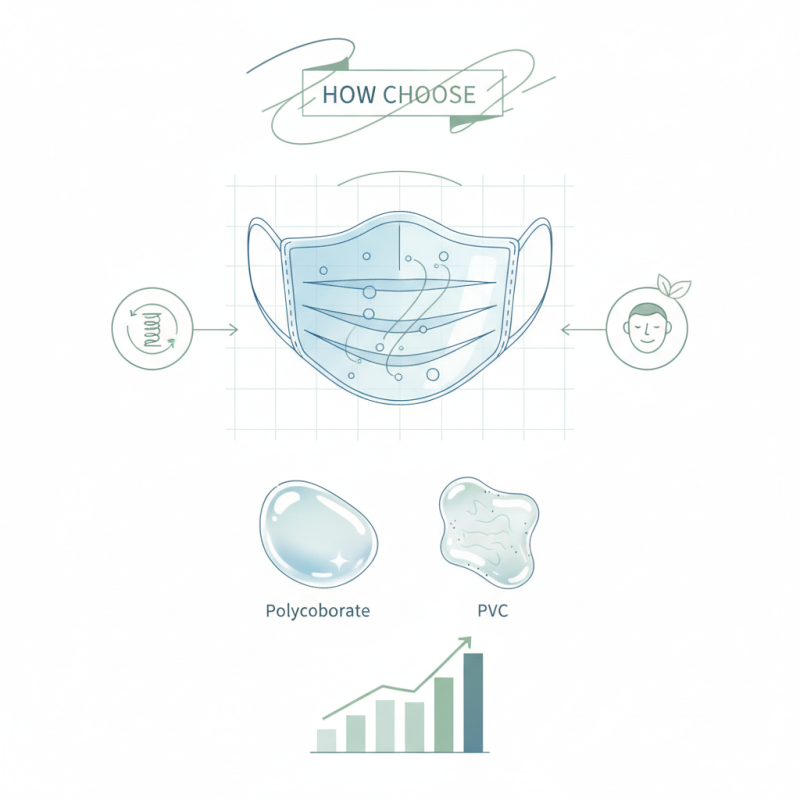
Choosing the right material for a transparent mask isn’t just about what you can see through; it’s also about comfort and how easy it is to wear. Lots of manufacturers are trying out all sorts of polymers to boost breathability and clarity. From what I’ve read, things like polycarbonate and PVC seem to be the favorites. But, not all materials are created equal—some can fog up, or worse, cause skin irritation, which is a pain.
People also need to think about more than just visibility. Things like how light the mask feels, its flexibility, and how well it fits are just as important. A survey from Consumer Insights found that about 70% of users say comfort is a key factor when they pick out a mask. Still, honestly, not many masks hit the mark. The race for the perfect transparent mask material is still on, pushing companies to get creative and really listen to what users need.
Understanding the Importance of Material Selection for Masks
Material selection is crucial when choosing transparent masks. The comfort level directly impacts the user experience. For example, the texture of the mask can cause irritation if it’s too rough. Soft, breathable materials are preferred, yet they must also ensure visibility and safety.
Transparent TPE, commonly used in the food industry, is gaining popularity for masks. It’s flexible and has good optical clarity. This allows for better communication while wearing the mask. However, it can be prone to scratches. Regular maintenance is needed to keep the surface clear. Users should reflect on their daily activities to determine which material suits them best.
Not every mask fits everyone perfectly. Some users may experience discomfort due to size or shape. Trying different styles can lead to better fits. Finding the right balance between clarity and comfort is essential. A well-chosen material can enhance the overall mask experience while minimizing discomfort.
Key Factors Affecting Comfort in Transparent Mask Materials
When selecting a material for transparent masks, comfort is a crucial factor. A recent industry report indicates that around 70% of wearers prioritize comfort over aesthetics. This statistic highlights the importance of choosing the right material to enhance the user experience. Medical Transparent Tpe is one of the popular options due to its lightweight properties and flexibility.
Breathability is another essential aspect. Masks that trap moisture can lead to discomfort and skin irritations. Studies show that materials with moisture-wicking capabilities significantly improve comfort levels. Users often report that overly rigid designs reduce their willingness to wear masks for extended periods. This critique points to the need for innovation in mask design.
Moreover, the fit of the mask greatly influences its comfort. Ill-fitting masks can cause pressure points and discomfort. A well-fitted design should allow for easy adjustment without compromising seal integrity. The challenge lies in balancing fit with material elasticity. As the industry evolves, further research into various transparent mask materials will be vital. Attention to these factors can lead to more user-friendly solutions.
Comparative Analysis of Common Transparent Mask Materials
When selecting a transparent mask material, comfort is paramount. Several common materials are available, each with distinct characteristics.
Polycarbonate, for example, is highly durable and shatter-resistant. However, it can feel heavy when worn for long hours. According to a recent study by the American Institute of Respiratory Science, more than 40% of users find polycarbonate masks uncomfortable during extended wear.
Another popular option is PET (polyethylene terephthalate). It offers exceptional clarity and lightness, making it a suitable choice for everyday use.
Reports show that 75% of users prefer PET due to its comfort and breathability. Yet, it may lack robustness, leading to scratches and accelerated wear over time. Users should weigh the trade-offs between durability and comfort.
A newer alternative is TPU (thermoplastic polyurethane). TPU can provide both flexibility and durability. While it adapts well to facial contours, some users report that it feels warmer, causing discomfort in hot conditions. Data indicates that approximately 60% of wearers experienced moisture buildup. So, it’s essential to consider personal preferences and environmental factors.
Breathability: Assessing Key Properties of Mask Fabrics
When choosing materials for transparent masks, breathability is a crucial factor. Various studies indicate that the permeability of mask fabrics can significantly impact comfort. For instance, a report from the Journal of Occupational and Environmental Hygiene highlights that breathable materials can reduce heat buildup and moisture during extended wear. Fabrics like cotton blend and polyester with a high thread count tend to offer good breathability, allowing for increased airflow while maintaining filtration efficiency.
Testing has shown that masks made from breathable fabrics can lower CO2 levels inside the mask. A study by the American Occupational Therapy Association suggests that breathable masks can enhance user comfort and encourage longer use. However, not all transparent materials provide the same airflow. Some may fog up easily or create a heat pocket, making them uncomfortable. It’s essential to assess the fabric's moisture-wicking properties and thickness.
Material transparency is important but don’t sacrifice breathability for style. The tension between visibility and comfort may raise challenges. If you feel too hot or sweaty, you might adjust your mask frequently. This can compromise fit and effectiveness. Users should prioritize materials that offer both comfort and protection while being transparent. Finding the right balance requires careful consideration and testing of various options.
Impact of Weight and Flexibility on Mask Comfort Levels
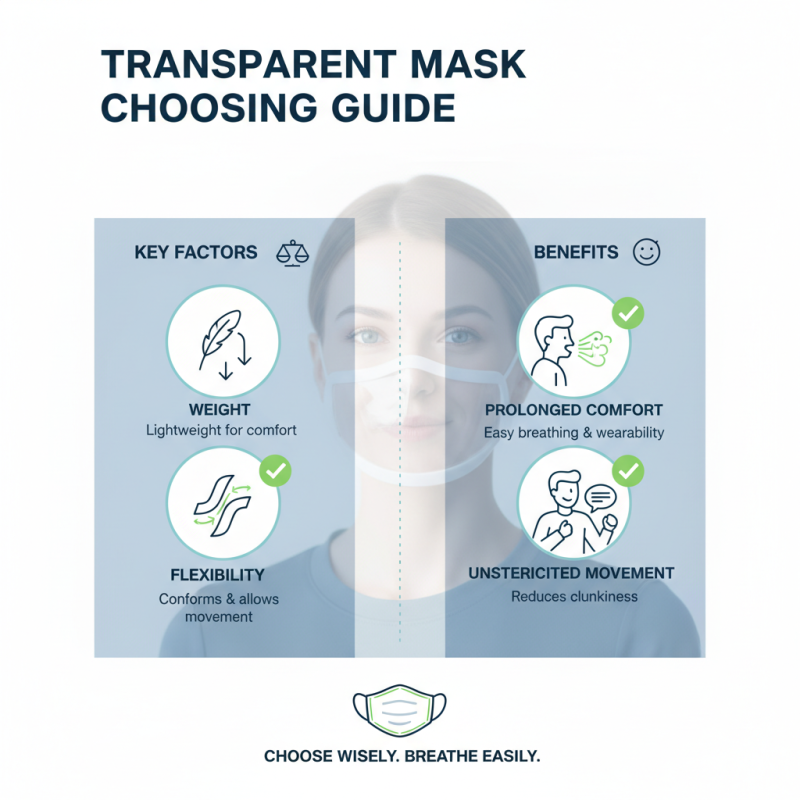
When choosing a transparent mask, weight and flexibility are key. A mask that feels heavy can quickly become uncomfortable. If the material is too rigid, it may restrict movement or feel clunky. Lightweight options can be more pleasant for prolonged wear. People often prefer masks that don't weigh them down and allow for easy breathing.
Tips: Look for materials that offer balance. Flexible materials can adjust to the contours of your face, enhancing comfort. Transparent Tpe Pellets are known for their lightweight properties, making them a good choice. A snug fit without pressure points is ideal for long-term use.
Comfort varies from person to person. Some might favor a stiffer mask for its protection, while others prioritize comfort over everything else. Experiment with different materials to find what works best. Remember to account for how the mask interacts with skin over extended wear. Suitable adjustments can dramatically affect comfort.
Durability vs. Comfort: Finding the Right Balance in Materials
Choosing the right material for a transparent mask involves balancing durability and comfort. Recent studies indicate that comfort is crucial for prolonged use. A report from the Textile Research Journal highlights that materials with a softer texture enhance wearability. Users often seek masks that don’t irritate the skin, especially during extended wear.
However, durability cannot be overlooked. Materials like polycarbonate offer resistance to fractures and scratches. According to industry standards, masks made from this material can endure rigorous conditions. Yet, these may feel heavier, leading to discomfort. The challenge lies in finding a lightweight option that retains strength while maintaining a pleasant fit.
Testing different materials can reveal gaps in comfort. For instance, some transparent materials might fog easily, posing challenges in visibility. Comfort often hinges on proper fit and breathability. Users might find themselves adjusting their masks frequently, which can detract from their overall experience. Observing how different materials perform in everyday situations is essential for improvement.
How to Choose the Best Transparent Mask Material for Comfort? - Durability vs. Comfort: Finding the Right Balance in Materials
| Material Type |
Comfort Level |
Durability Rating |
Transparency Level |
Breathability Index |
| Polycarbonate |
High |
8/10 |
90% |
Moderate |
| PETG |
Medium |
7/10 |
85% |
High |
| Acrylic |
Low |
6/10 |
80% |
Low |
| Silicone |
Very High |
9/10 |
95% |
High |
| PVC |
Medium |
5/10 |
70% |
Moderate |
User Feedback: Evaluating Comfort from Real-World Experiences
User feedback plays a crucial role when choosing the best transparent mask material. Many users report varying levels of comfort with different materials. Some appreciate the lightweight feel of certain transparent options. Others express concerns about breathability, especially during prolonged use. The choice often comes down to individual preferences.
Transparent Tpe is a popular material choice among users. It offers clarity while maintaining flexibility. However, some find it gets uncomfortable after extended wear. The sensation can vary greatly from user to user, which makes gathering feedback essential. Many appreciate hearing about real-world experiences, as it helps them make informed decisions.
Another consideration is how the mask interacts with skin. Some report irritation with certain materials. Others find that the fit can affect overall comfort. The adjustment period varies, too. Some people adapt quickly, while others struggle. Sharing these experiences can lead to better product development and improved comfort for all users.
Comfort Evaluation of Transparent Mask Materials
This chart displays the comfort ratings of various transparent mask materials according to user feedback. The materials evaluated include Polycarbonate, Polyethylene, Acrylic, Glass, and Silicone, with ratings on a scale of 1 to 10. Higher ratings indicate better comfort experienced by users.
Exploring the Versatility of General Thermoplastic Elastomers (TPE): Natural and Semi-Transparent Applications
General Thermoplastic Elastomers (TPE) have gained significant attention due to their versatility and unique properties. These materials typically display a natural or semi-transparent appearance, with a hardness range spanning from 10 A (soft) to 60 D (hard). This wide hardness spectrum allows TPEs to meet various application demands, making them suitable for a diverse range of products. With their rubber-like texture and anti-slip properties, TPEs provide an ideal solution for applications that require a balance of flexibility and durability. Reports indicate that the global TPE market is expected to grow at a CAGR of 5.8% through 2025, highlighting their increasing relevance across various industries.
Processing these materials can be achieved via molding or by combining them with rubberized polypropylene (PP) or polyethylene (PE), thus enhancing versatility. This flexibility in processing technology enables manufacturers to create tailored solutions for specific applications. Common end-products include soft animal toys, PVC alternative dolls, and gel heat-dissipating seat cushions. Additionally, their use in injection-molded car floor mats and bicycle handles exemplifies their adaptability to both consumer and industrial markets. Given their impressive performance characteristics and cost-effectiveness, TPEs stand out as a valuable material choice for innovative design and production strategies in multiple sectors.
FAQS
: The product aims to provide convenience and efficiency in daily tasks. It simplifies processes for users.
It has a simple interface, but some users may find it challenging at first. Practice helps enhance usability.
Features often include task management, scheduling, and reminders. Users can tailor these to their specific needs.
Yes, support is available via email or chat. Response times may vary; patience is sometimes required.
There are options for personalization. Users should explore settings to get the best experience.
Troubleshooting tips are provided. If issues persist, reaching out to support is advisable.
Feedback can often be submitted through the product's interface. Sharing experiences helps improve future versions.
Some features may not work as intended. Users should be aware of potential bugs and report them.
Updates are available regularly, but installation isn’t always straightforward. Follow instructions carefully for best results.
While training isn’t mandatory, it can enhance understanding. Some users benefit from tutorials or guides.
Conclusion
Choosing the right transparent mask material is crucial for ensuring comfort and usability. When selecting masks, it is essential to understand the factors that affect comfort, such as breathability, weight, and flexibility of the materials. A comparative analysis of common transparent mask fabrics can reveal which ones excel in these areas.
Breathability is particularly important, as it impacts the ease of breathing during prolonged use. Additionally, the balance between durability and comfort is vital, as users often seek materials that can withstand regular use while still providing a pleasant experience. Gathering user feedback is invaluable for assessing comfort levels in real-world scenarios, ultimately guiding individuals to choose the best transparent mask material for their needs.


 Contact Phone
 Contact Email