






0102030405
Advanced Asphalt Pavement Solutions: The Role of SBS Thermoplastic Rubber in Road Maintenance
2026-09-11

Why polymer modification matters in modern road engineering
Road networks are expected to carry heavier traffic, tolerate wider temperature swings, resist water and oxidation, and remain serviceable while maintenance windows become shorter. These requirements have increased interest in polymer-modified asphalt, particularly systems based on SBS (Styrene Butadiene Styrene). For road owners, asphalt producers, and contractors, the objective is not simply to add a polymer. The objective is to select a compatible material, design the binder and mixture for the project, control production, and verify performance through appropriate testing.
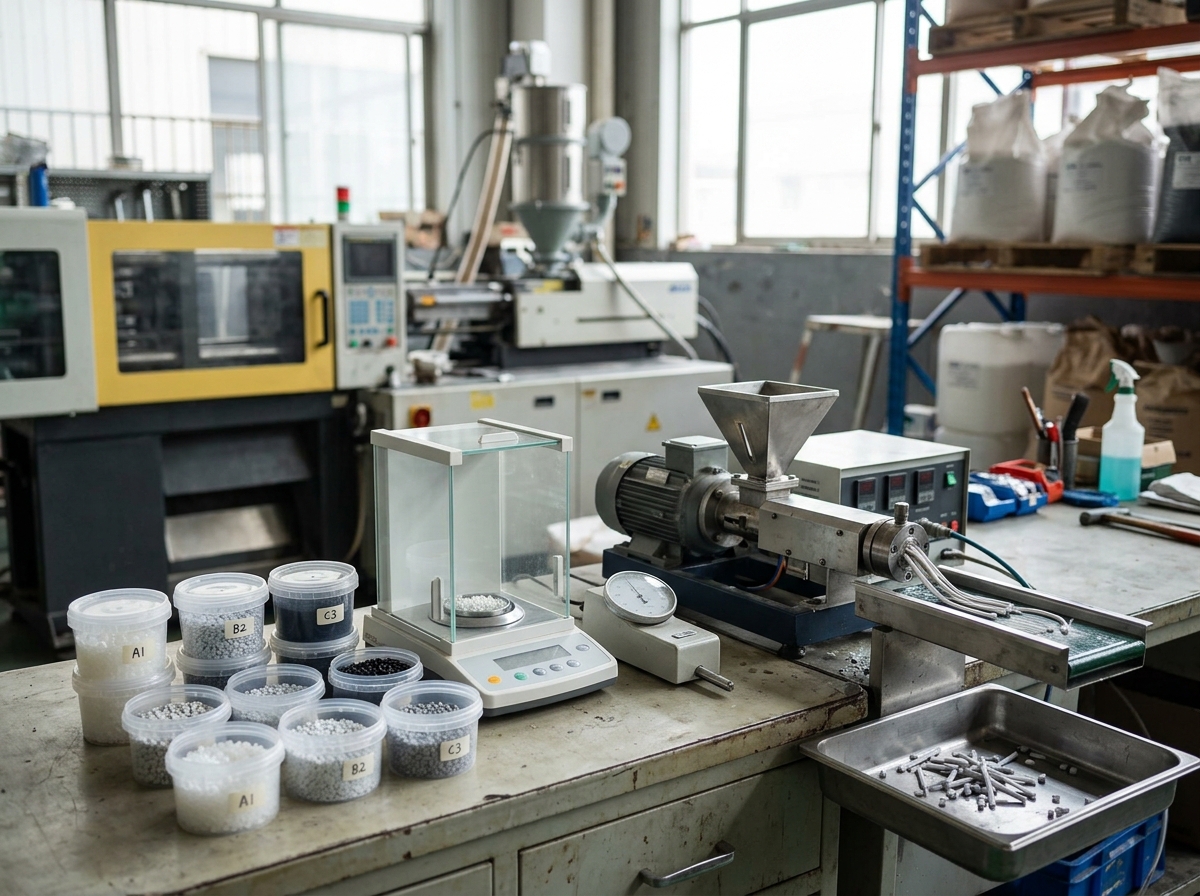
Ningbo Losman Trading Co., Ltd. supplies specialty polymer materials and works with manufacturing partners in China and Vietnam. Its portfolio includes thermoplastic elastomers and polymer materials such as SBS, SEBS, SBC, SIS, TPU, engineering plastics, resins, and masterbatch. The company describes its service model as a one-stop polymer solution covering raw materials, additives, technical support, and customized supply. These capabilities are relevant to buyers evaluating Raw Materials for Asphalt Pavement Modification and other industrial applications. Product selection should always be confirmed against the supplier’s current technical data sheet, applicable standards, and the end user’s mix-design requirements.
What is SBS thermoplastic rubber?
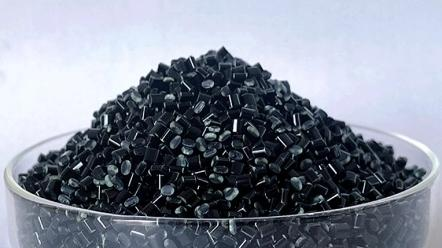
SBS is a linear or radial triblock copolymer in which hard styrene blocks are connected by a soft butadiene mid-block. In a compatible asphalt system, the polymer can absorb selected fractions of the binder and create an elastic, physically cross-linked structure. The styrene domains provide strength and cohesion, while the butadiene phase contributes flexibility and recovery. This balance is why SBS Elastomer is widely considered for asphalt binder modification.
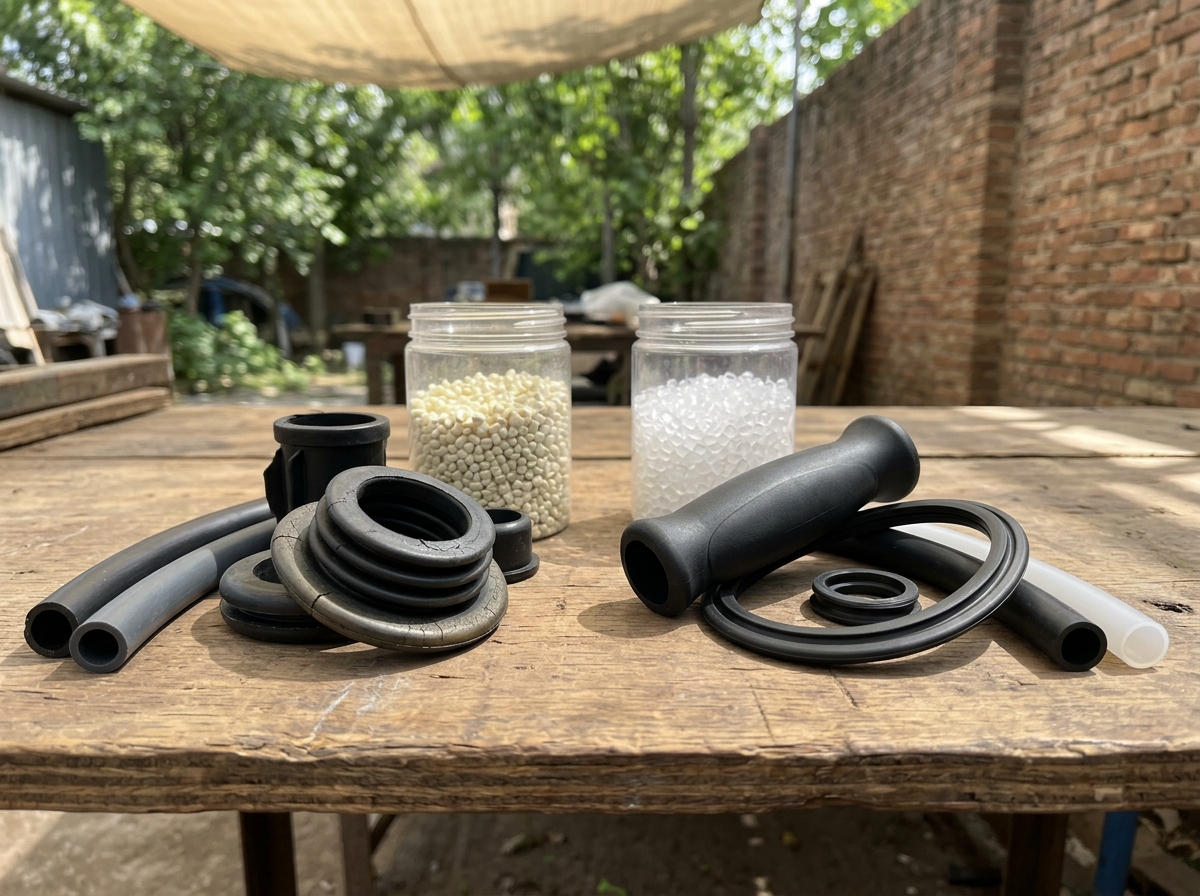
The phrase Thermoplastic Styrene-Butadiene Rubber describes the material family from a processing perspective. Unlike permanently vulcanized rubber, SBS can be softened and processed with heat. This helps manufacturers formulate, pump, blend, and process the material using industrial equipment, while retaining elastomeric behavior after cooling. In commercial communication, SBS Rubber Material may refer to SBS grades used in asphalt, waterproofing, adhesives, footwear, and other applications. The exact performance depends on molecular architecture, styrene content, block structure, molecular weight, oil compatibility, dosage, blending energy, storage stability, and final binder design.
SBS is one member of the wider family of Styrenic Block Copolymers (SBCs). SIS block copolymer, for example, contains isoprene rather than butadiene in its soft segment. SIS is valuable in pressure-sensitive adhesives and other applications, but it should not automatically be substituted for SBS in asphalt. The right SBC depends on compatibility, required elasticity, processing temperature, weather exposure, and test results. A technically responsible specification therefore names the intended grade and acceptance criteria rather than relying on a generic polymer label.
How SBS can improve asphalt pavement performance
A conventional asphalt binder is viscoelastic: its response changes with temperature, loading time, and aging. At high service temperatures or under slow, repeated heavy-truck loading, insufficient stiffness and recovery can contribute to permanent deformation, including rutting. At low temperatures or during repeated tensile loading, a binder that is too brittle can contribute to thermal or fatigue cracking.
SBS modification is intended to widen the useful temperature and loading range of the binder. The polymer network can increase high-temperature stiffness and elastic recovery while maintaining useful low-temperature flexibility. In practice, this may support improved resistance to rutting, fatigue damage, and thermal cracking. The result is not guaranteed by the polymer name alone. Aggregate structure, air voids, binder grade, film thickness, moisture, compaction, construction joints, drainage, traffic, climate, and maintenance history all influence pavement performance.
A Florida Department of Transportation accelerated pavement study evaluated high-SBS modified asphalt binder using full-scale test sections and laboratory methods including dynamic shear rheometer, multiple stress creep recovery, softening point, and indirect tensile strength. The study reported better rutting and fatigue-cracking performance for its high-SBS sections than for the selected PG 76-22 polymer-modified control under the tested conditions.1 This is useful evidence, but it is not a universal guarantee. Project teams should treat published results as technical input and validate the selected formulation under local materials, climate, traffic, and construction conditions.
The NCAT material selection guidance similarly notes that polymer-modified asphalt, especially SBS, is increasingly used in pavements with high traffic demands. It links polymer modification with improved resistance to permanent deformation and mix durability, while also emphasizing that performance depends on the type and amount of polymer, mixture design, testing, and field conditions.2
Where SBS fits in road construction and highway construction
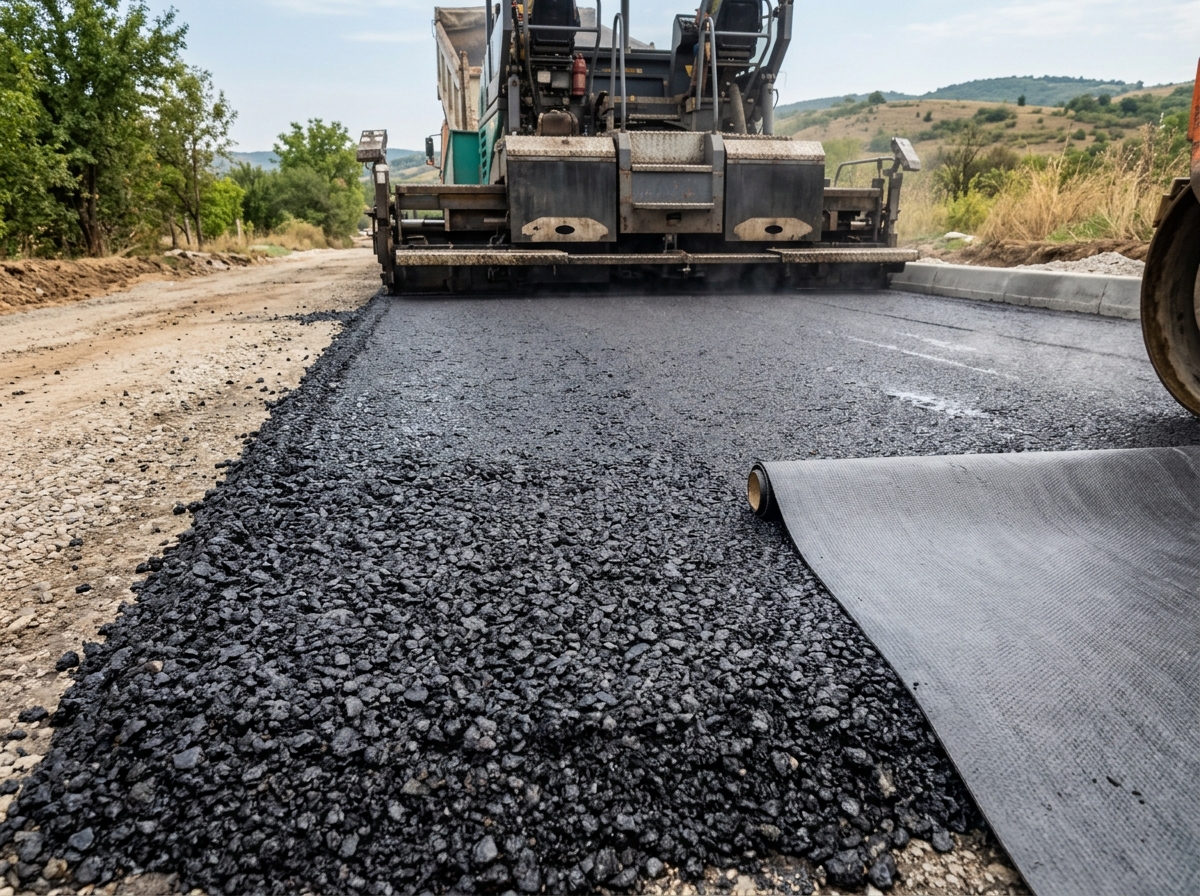
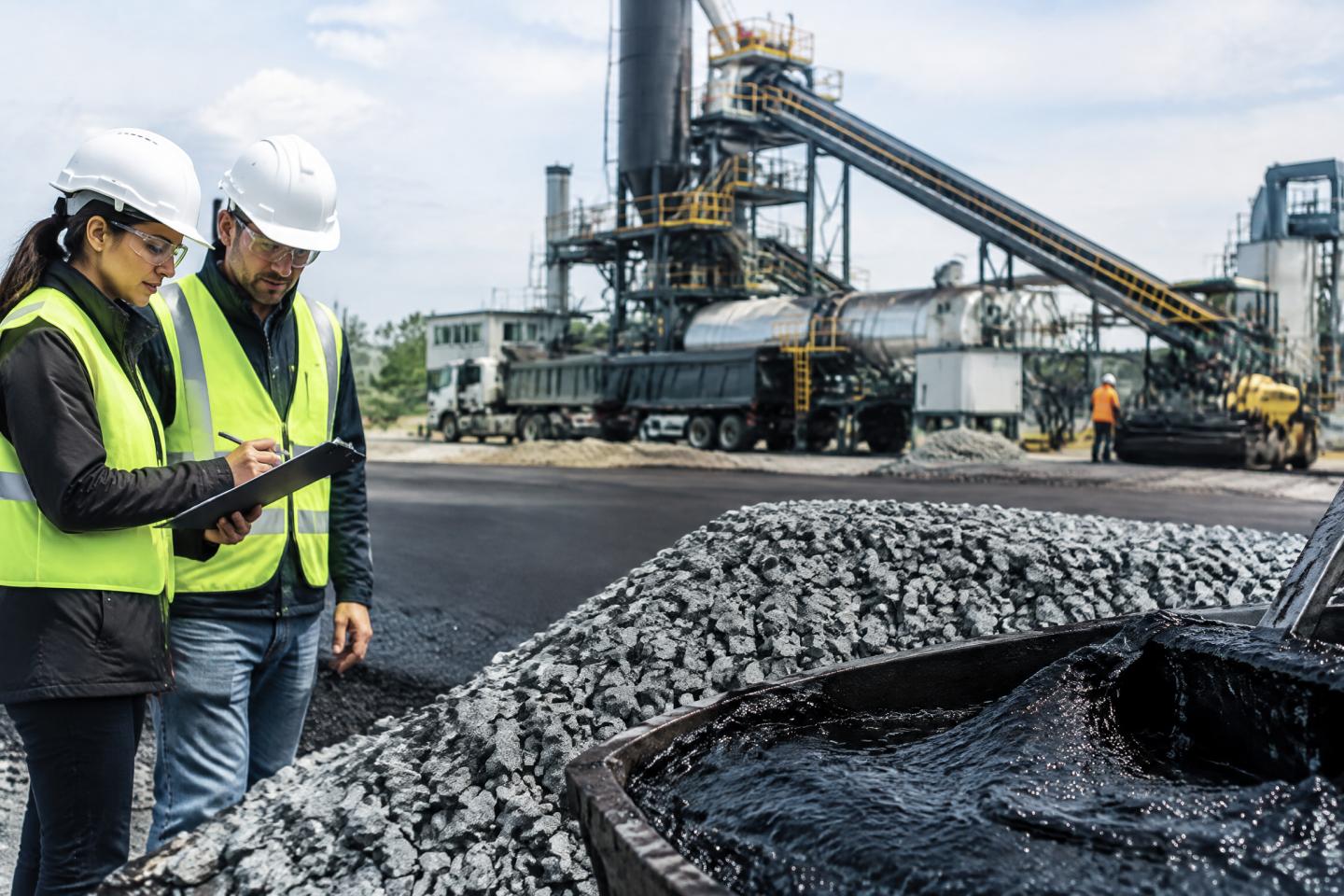
SBS-modified binders can be considered for demanding applications in road engineering, highway construction, pavement construction, and road maintenance. Typical decision factors include heavy or slow-moving traffic, intersections, bus lanes, climbing lanes, bridge approaches, airport pavements, high-temperature climates, repeated water exposure, and rehabilitation projects where the available structural thickness is limited.
In Road Construction, the material strategy should begin with the pavement distress mechanism. If the project is dominated by high-temperature rutting, the team may prioritize high-temperature rheology and recovery. If low-temperature cracking is the concern, the binder and mixture must be assessed for relaxation and fracture behavior. If moisture damage is likely, aggregate-binder adhesion, drainage, air voids, and water sensitivity testing require close attention. If the project is a maintenance overlay, milling depth, existing cracks, reflective cracking risk, traffic staging, and compaction logistics are equally important.
For Highway Construction, polymer-modified asphalt is often assessed in the surface or other high-stress layers, but the final choice must follow the pavement design and agency specification. A high-performance product cannot compensate for poor aggregate quality, inadequate compaction, an unsuitable layer thickness, or weak drainage. For Road Building projects, the material supplier, asphalt plant, laboratory, paving contractor, and owner should align on storage temperature, mixing sequence, blending time, compatibility, handling, and quality-control tests before production begins.
A practical selection and quality-control framework
The following framework can help buyers compare High Performence SBS Road Construction Materials. The spelling “Performence” is retained here as a requested SEO keyword; the standard English spelling is “Performance.”
|
Project question |
Evidence to request |
Why it matters |
|
Is the grade compatible with the base asphalt? |
Compatibility guidance, recommended base binder, storage-stability data |
Phase separation can reduce consistency and field reliability. |
|
Can it meet the target temperature range? |
Rheology, MSCR, softening point, low-temperature or fracture data |
A binder must match climate and traffic, not only a catalog description. |
|
Can the plant process it consistently? |
Recommended temperature, shear or blending conditions, handling guidance |
Production conditions influence dispersion and final properties. |
|
Is the mixture durable? |
Mixture-level rutting, fatigue, moisture sensitivity, and aging results |
Binder data alone cannot predict every pavement outcome. |
|
Is supply dependable? |
Batch consistency, traceability, lead time, packaging, and technical support |
Reliable delivery reduces construction and maintenance risk. |
|
Is the claim project-relevant? |
Local trial, agency acceptance, and quality-control plan |
Field validation connects laboratory performance with actual use. |
Ningbo Losman can support an initial material discussion by matching the customer’s application, target specification, required volume, and processing conditions with an appropriate polymer solution. Buyers should provide the base asphalt type, climate zone, traffic level, mixing equipment, intended dosage range, storage requirements, and applicable local standard. A representative sample and current technical data sheet should be reviewed before commercial qualification.
The role of SBS in sustainable road maintenance
Longer-lasting pavement can reduce the frequency of disruptive repairs, but sustainability claims must be made carefully. The environmental benefit of a polymer-modified solution depends on the full system: material production, transport, energy used in mixing and compaction, service life, rehabilitation method, recycling practice, and local specifications. SBS may contribute to a maintenance strategy when it helps the pavement resist a known distress and when the added material cost is justified by performance and lifecycle considerations.
A responsible maintenance program still requires inspection, drainage management, crack treatment, structural evaluation, and timely intervention. SBS is a tool within that program, not a replacement for pavement engineering. The best result comes from connecting material science with condition surveys, laboratory testing, construction control, and post-construction monitoring.
Conclusion
SBS thermoplastic rubber offers a practical route for improving the elastic and high-temperature behavior of selected asphalt binders. Its value is greatest when the grade is compatible with the binder, the mixture is designed for the actual traffic and climate, and production is controlled from raw material receipt to final compaction. As an experienced specialty-materials trading company, Ningbo Losman provides access to SBS, SIS, and other Styrenic Block Copolymers (SBCs) for customers seeking reliable polymer inputs for asphalt modification and broader industrial applications.
For a project-specific recommendation, contact Ningbo Losman with the intended use, base asphalt, climate, traffic class, processing route, target standard, and expected annual volume. The final selection should be confirmed by the responsible pavement engineer and supported by the applicable laboratory and field evidence.
Frequently Asked Questions
- Is SBS the same as SIS block copolymer?
No. Both belong to the SBC family, but SBS uses styrene-butadiene-styrene blocks while SIS uses styrene-isoprene-styrene blocks. Their compatibility, elasticity, processing behavior, and typical applications differ. Do not replace one with the other without technical validation.
- What is the main purpose of SBS in asphalt pavement?
The main purpose is to modify binder rheology and elasticity so the selected asphalt system can better address rutting, fatigue, and temperature-related cracking risks. The actual benefit depends on formulation, dosage, aggregate, construction, and service conditions.
- Can SBS eliminate road maintenance?
No. SBS can support pavement durability, but it cannot eliminate inspection, drainage work, crack sealing, resurfacing, or structural rehabilitation. Maintenance planning must remain based on pavement condition and engineering evaluation.
- What information should I provide when requesting an SBS grade?
Provide the base asphalt type, climate, traffic and loading pattern, target performance grade or local standard, mixing equipment, blending temperature, storage conditions, desired dosage, packaging, and annual quantity. This information enables a more relevant recommendation.
- Is SBS suitable for every highway construction project?
No. It is a candidate for selected high-stress or high-temperature applications, but the final choice depends on project design, specifications, economics, and test results. A conventional binder or another modifier may be more suitable in some projects.
- How should SBS-modified asphalt be tested?
Testing may include binder rheology, dynamic shear rheometer analysis, multiple stress creep recovery, softening point, low-temperature or fracture assessment, storage stability, and mixture-level rutting, fatigue, moisture sensitivity, and aging tests. The responsible laboratory should select methods required by the project specification.
- Does Ningbo Losman provide technical and customized supply support?
According to the company website, Ningbo Losman provides polymer materials, OEM and customized services, and technical support through its supply network. Customers should contact the company for current grades, technical data sheets, samples, lead times, and application-specific confirmation.