






0102030405
Comprehensive Guide: Enhancing Pavement Construction with SBS
2026-06-05
Enhancing Pavement Construction with Styrene-butadiene-styrene (SBS): Key to Durable Asphalt Pavement and Effective Road Maintenance in Road Construction
Introduction: The Imperative for Resilient Road Infrastructure
Modern infrastructure demands durable asphalt pavement capable of withstanding extreme weather conditions, heavy traffic loads, and the relentless march of time. The quality of our roads directly impacts economic activity, safety, and overall societal well-being. Consequently, advancements in pavement construction are continuously sought to extend the lifespan of roadways, reduce maintenance costs, and enhance performance. This pursuit has led to the widespread adoption of innovative materials, with Styrene-butadiene-styrene (SBS) emerging as a cornerstone in achieving superior road construction outcomes, particularly in critical areas like road engineering and highway construction.
The Challenges of Traditional Asphalt Pavement
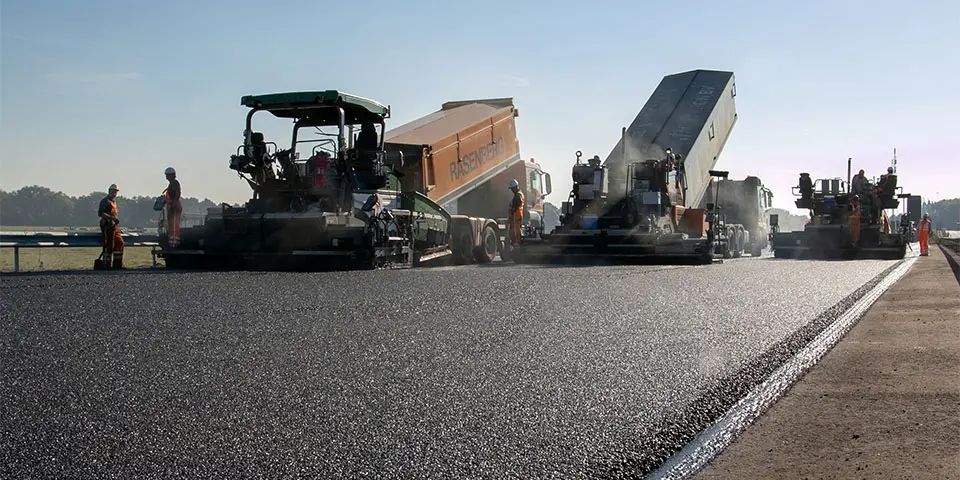
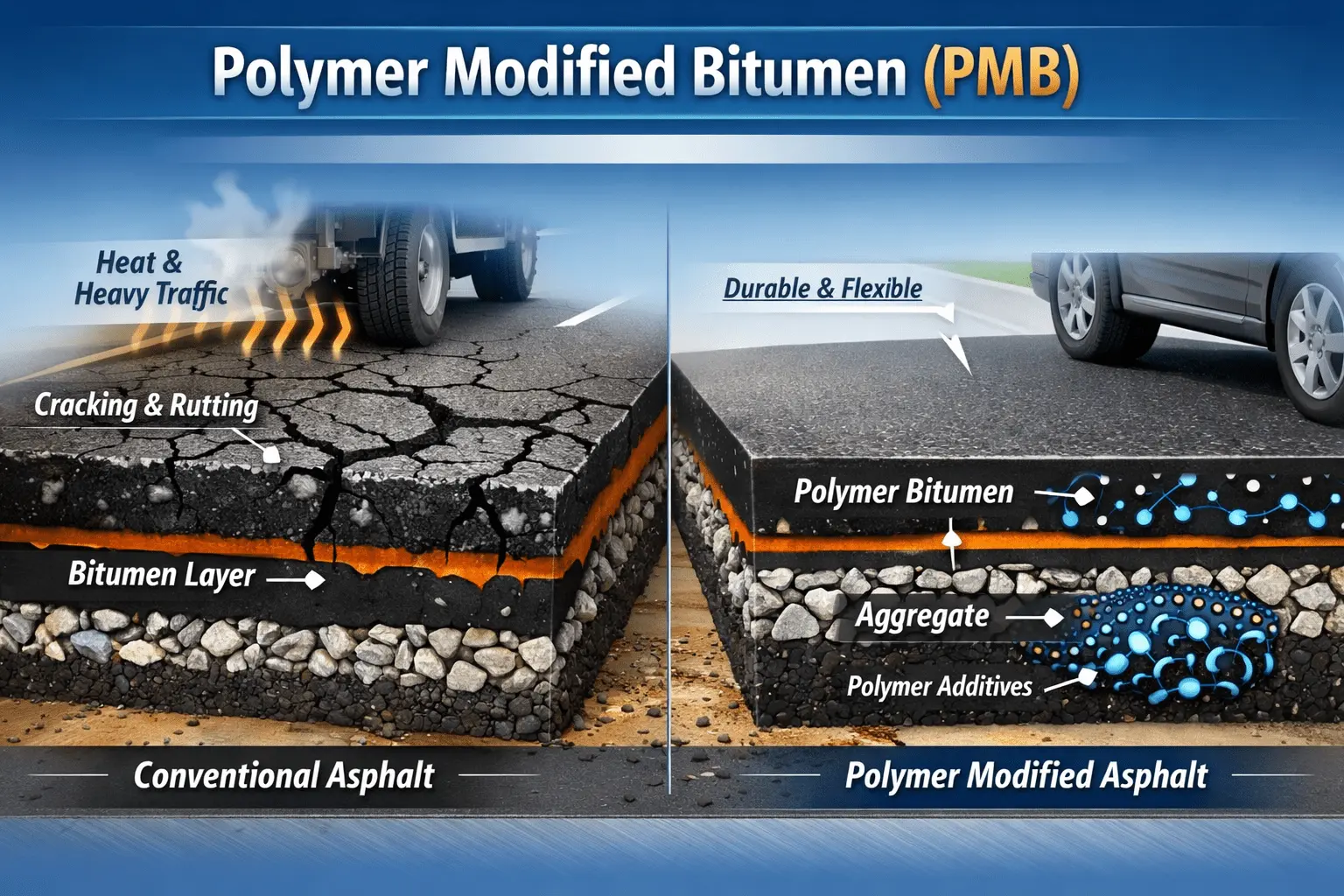
Historically, conventional asphalt pavements have faced significant challenges. Without modification, asphalt binders are susceptible to thermal cracking at low temperatures, rutting at high temperatures, and fatigue cracking under repetitive loading. These issues lead to premature deterioration, necessitating frequent road maintenance and costly repairs. The demand for high performance SBS road construction materials stems directly from the need to overcome these inherent limitations and build more resilient infrastructure. The goal is to create roads that are not only initially robust but also maintain their structural integrity and ride quality over decades, minimizing disruption and maximizing value.
Understanding Styrene-butadiene-styrene (SBS)
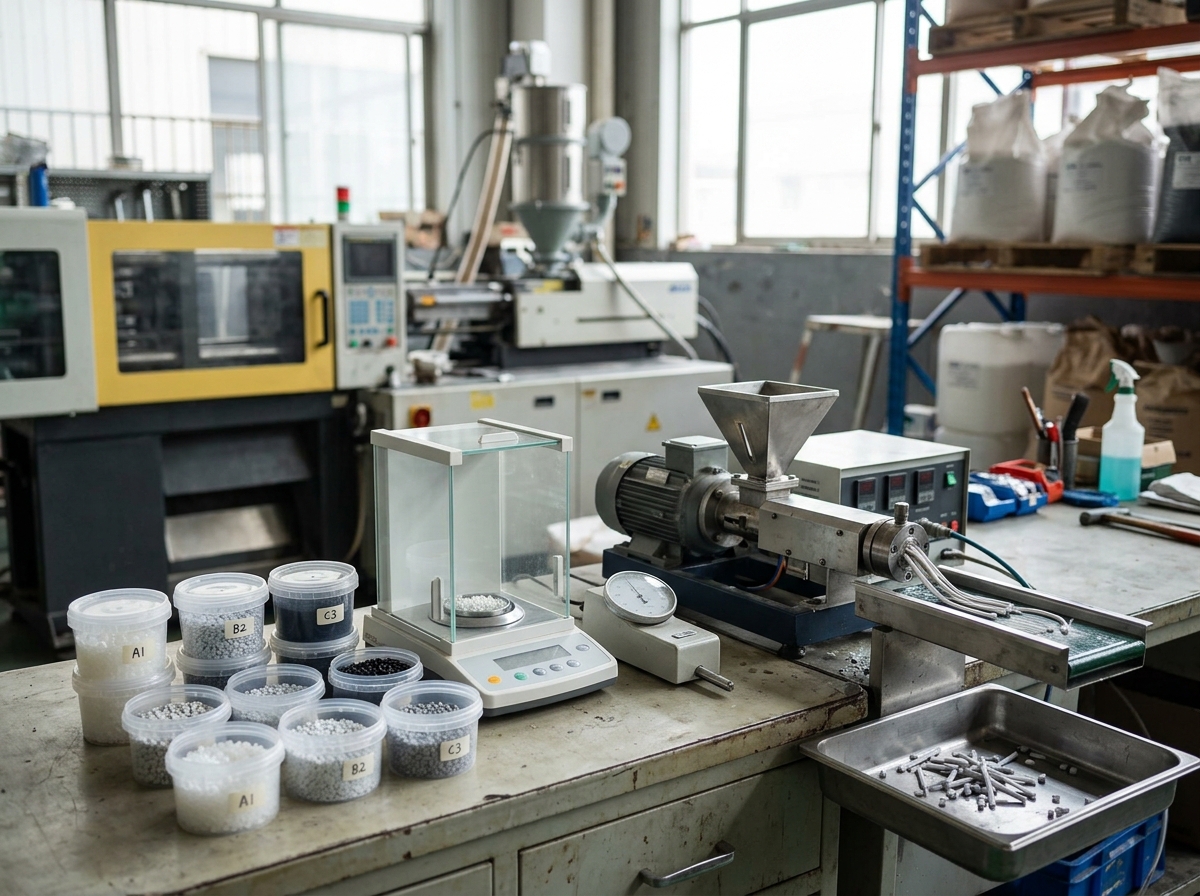
Styrene-butadiene-styrene (SBS) is a type of thermoplastic elastomer that has revolutionized the field of asphalt pavement modification. As a Styrenic block copolymer SBS, it possesses a unique molecular structure comprising hard polystyrene end blocks and a soft polybutadiene mid-block. This structure gives SBS its elastomeric properties, allowing it to behave like rubber at ambient temperatures while being processable like plastic at elevated temperatures. Other related polymers, such as Styrene-Ethylene-Butylene-Styrene block copolymer (SEBS) and Styrene-butadiene-styrene triblock copolymer, also offer similar benefits, but SBS remains a primary choice due to its excellent balance of properties and cost-effectiveness.
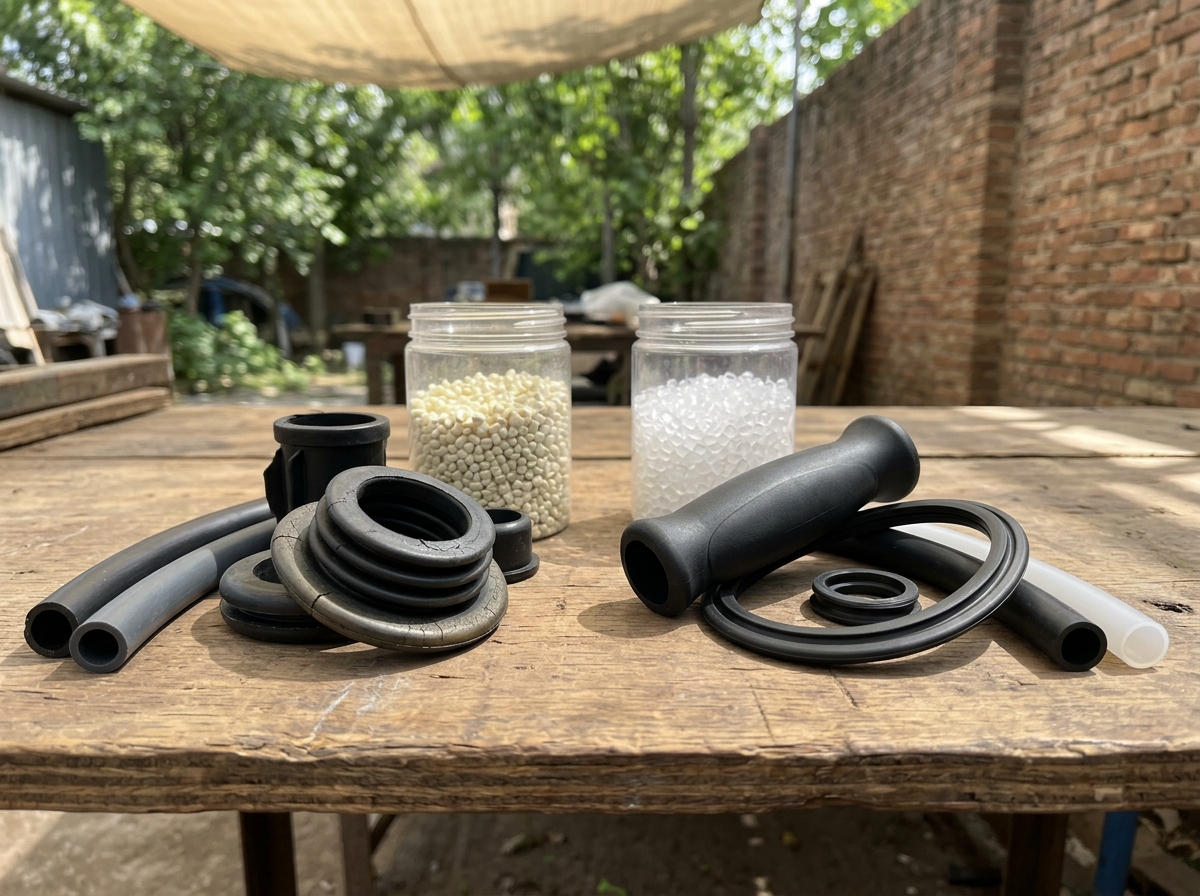
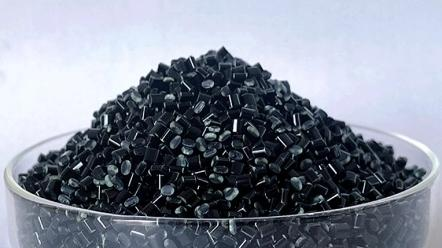
SBS is essentially an SBS thermoplastic rubber or SBS elastomer, which, when blended with asphalt, significantly alters its rheological properties. It improves the asphalt's elasticity, viscosity, and resistance to deformation. This makes it an ideal raw materials for asphalt pavement modification, transforming standard asphalt into a high-performance binder suitable for demanding applications.
The Science Behind Asphalt Pavement Modification with SBS
When SBS is incorporated into asphalt, it forms a polymer network within the bitumen matrix. This network acts as a reinforcing agent, enhancing the asphalt's elastic recovery and reducing its temperature susceptibility. At high service temperatures, the polystyrene domains in the SBS swell with the aromatic components of the asphalt, forming a continuous polymer-rich phase that resists rutting. Conversely, at low temperatures, the elastic polybutadiene mid-blocks maintain flexibility, preventing thermal cracking. This dual action is crucial for creating durable asphalt pavement that performs reliably across a wide range of climatic conditions.
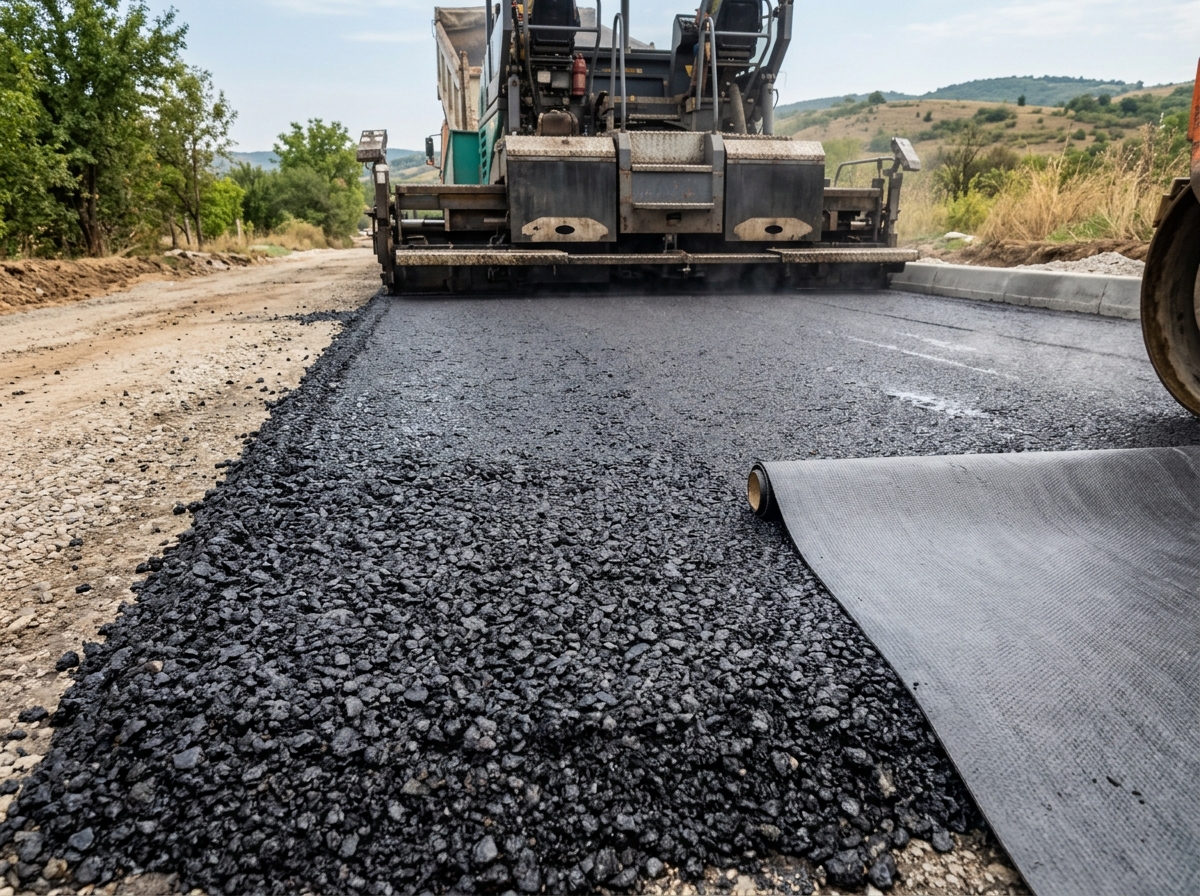
The process of asphalt pavement modification with SBS involves careful blending and shearing to ensure uniform dispersion of the polymer. The resulting High Performence SBS Road Construction Materials exhibit superior adhesion to aggregates, improved cohesion, and enhanced resistance to aging and oxidation. This scientific approach ensures that the modified asphalt binder contributes significantly to the overall longevity and performance of the road structure, making it a vital component in modern road building strategies.
Key Benefits of SBS in Road Construction and Maintenance
The integration of Styrene-butadiene-styrene (SBS) into road construction projects offers a multitude of benefits, directly addressing the challenges of traditional pavements and contributing to more sustainable infrastructure. These advantages are particularly evident in road engineering and highway construction where performance demands are highest.
1.Enhanced Durability and Lifespan: SBS-modified asphalt significantly increases the fatigue life of pavements, reducing the incidence of cracking and rutting. This translates to a longer service life for roads, delaying the need for costly reconstruction and extensive road maintenance.
2.Improved Temperature Performance: The enhanced elasticity of SBS-modified asphalt allows it to resist both high-temperature deformation (rutting) and low-temperature cracking. This is crucial for regions experiencing significant temperature fluctuations, ensuring consistent performance year-round.
3.Increased Load-Bearing Capacity: Roads built with High Performence SBS Road Construction Materialscan better withstand heavy traffic loads, making them ideal for busy highways and industrial areas. This improved structural integrity contributes to safer and more reliable transportation networks.
4.Reduced Maintenance Costs: By extending pavement life and reducing the frequency of repairs, SBS modification leads to substantial savings in road maintenancebudgets over the long term. This economic benefit is a key driver for its adoption in pavement construction projects globally.
5.Environmental Advantages: Longer-lasting pavements mean fewer raw materials consumed for repairs and less energy expended on maintenance activities. This contributes to a more sustainable road buildingprocess and a reduced carbon footprint.
6.Versatility in Application: SBS can be used in various asphalt mixtures, including hot mix asphalt (HMA), warm mix asphalt (WMA), and even in surface treatments, offering flexibility for different road engineering
Global Impact on Road Building and Highway Construction
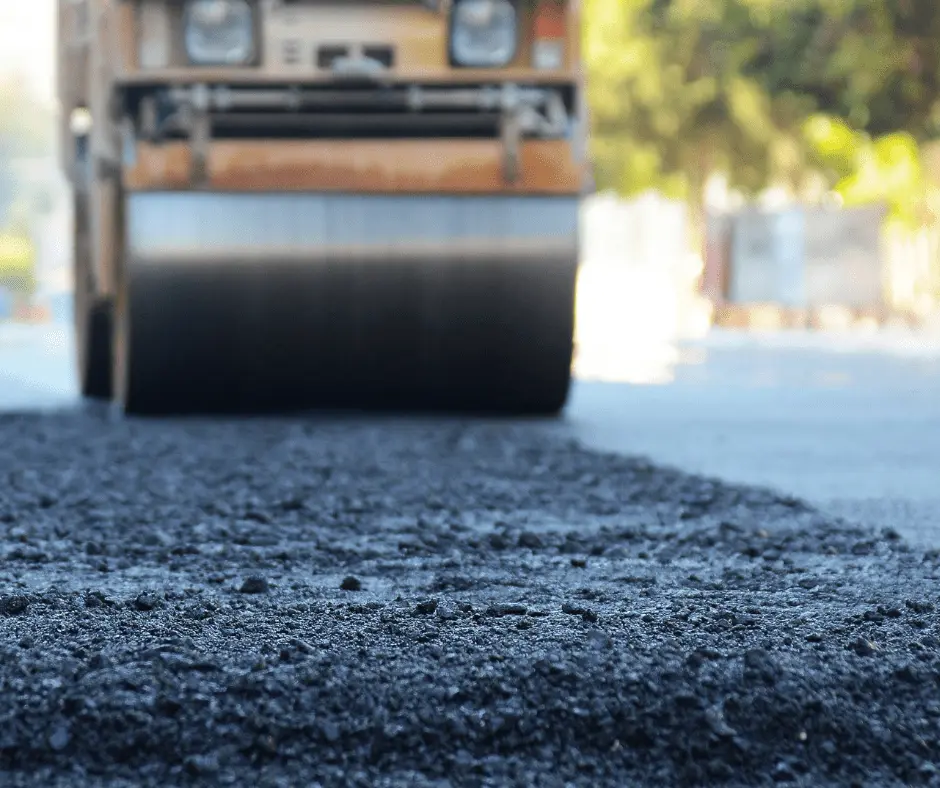
The impact of Styrene-butadiene-styrene (SBS) on global road building and highway construction cannot be overstated. From bustling urban expressways to critical intercontinental routes, SBS-modified asphalt has become the material of choice for engineers and contractors seeking to deliver superior infrastructure. Countries worldwide are investing in High Performence SBS Road Construction Materials to upgrade their transportation networks, recognizing the long-term value and performance benefits.
In highway construction, where speed, safety, and durability are paramount, SBS provides the necessary resilience to ensure smooth and stable driving surfaces. Its ability to resist deformation under continuous heavy loads makes it indispensable for high-traffic corridors. Similarly, in complex road engineering projects, SBS offers the flexibility to design pavements that meet specific environmental and operational challenges, from extreme climates to specialized industrial applications.
The Role of Styrenic Block Copolymers (SBCs) Beyond SBS
While Styrene-butadiene-styrene (SBS) is a prominent member, the broader family of Styreneic Block Copolymers (SBCs), including SEBS and SIS, also plays a vital role in advanced material science. These polymers share the fundamental block copolymer structure but differ in their mid-block chemistry, offering tailored properties for specific applications. For instance, SEBS (hydrogenated SBS) offers enhanced UV and oxidative stability, making it suitable for applications requiring greater resistance to environmental degradation. These variations provide engineers with a comprehensive toolkit of raw materials for asphalt pavement modification, allowing for precise material selection based on project requirements and environmental conditions.
Conclusion: Paving the Way for a Sustainable Future
In conclusion, Styrene-butadiene-styrene (SBS) is an indispensable material in modern pavement construction, offering a robust solution for creating durable asphalt pavement and ensuring effective road maintenance. Its unique properties as an SBS thermoplastic rubber and SBS elastomer make it a superior choice for asphalt pavement modification, leading to High Performence SBS Road Construction Materials that excel in road engineering and highway construction.
Part 3: FAQ
Q1: What is SBS and what role does it play in asphalt pavement?
A1: SBS (Styrene-butadiene-styrene) is a thermoplastic elastomer used as a raw material for asphalt pavement modification. It significantly enhances the elasticity, viscosity, and deformation resistance of asphalt, leading to more durable asphalt pavementthat is less prone to cracking and rutting.
SBS
Q2: What are the primary advantages of SBS-modified asphalt over traditional asphalt?
A2: Key advantages include significantly extended pavement life, reduced road maintenanceneeds, superior performance across a wide temperature range (resisting both rutting and cracking), and increased load-bearing capacity for heavy traffic.
Q3: Why is SBS crucial for highway construction?
A3: In highway construction, pavement durability and safety are paramount. High performance SBS road construction materialsprovide the necessary resilience to withstand heavy traffic and harsh weather, ensuring smooth and safe driving surfaces for longer periods.
Q4: How does SBS contribute to more sustainable road engineering?
A4: By extending pavement lifespan, SBS reduces the frequency of repairs and reconstruction, thereby lowering raw material consumption and energy use. This makes road engineeringmore environmentally friendly and cost-effective over the long term.
Q5: What other SBCs are used in asphalt modification?
A5: Besides SBS, the Styrenic Block Copolymers (SBCs) family includes SEBS (Styrene-Ethylene-Butylene-Styrene block copolymer) and SIS. SEBS is often preferred for its superior UV and oxidative stability in specific applications.
Q6: What is the scientific process of modifying asphalt with SBS?
A6: It involves blending SBS with asphalt under high shear to form a continuous polymer network. This network enhances the binder's elastic recovery and reduces temperature susceptibility, creating a high-performance material for road construction.
Q7: Can SBS be used for road maintenance as well as new construction?
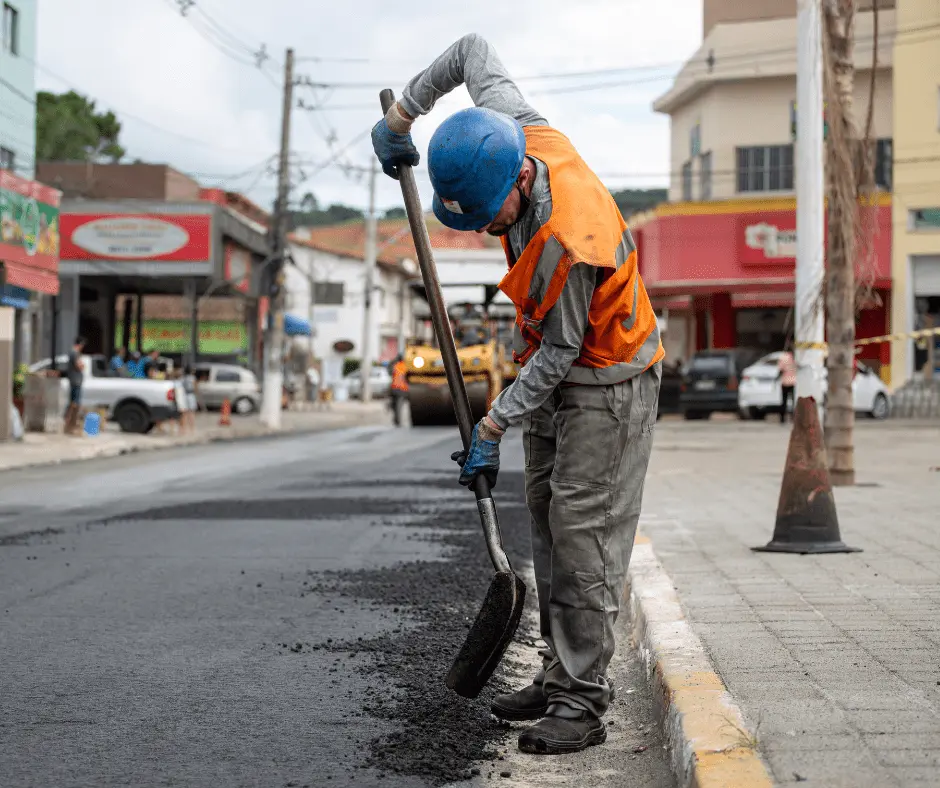
A7: Yes, SBS is highly effective for both new road building and road maintenanceactivities, such as surface treatments and thin overlays, to rejuvenate and extend the life of existing pavements.
Q8: How does Ningbo Losman support road construction projects?
A8: Ningbo Losman provides high-quality Styrenic block copolymer SBS and other elastomers, offering technical expertise and reliable supply for global road engineering and highway constructionprojects.