


0102030405
How RB Improves Transparency in TR Shoe Sole Compounds?
2026-09-08
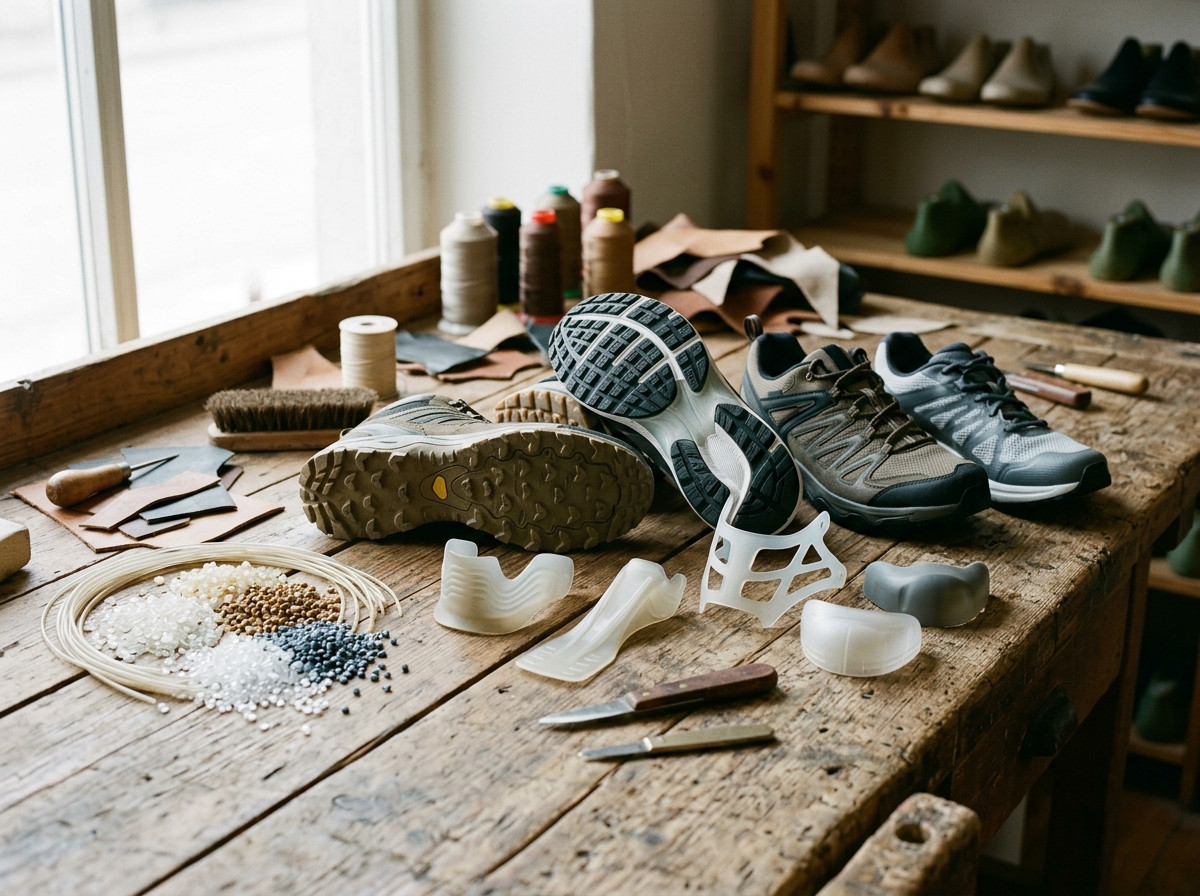
In the fast-paced world of global footwear fashion, aesthetics are just as important as performance. Over the past few seasons, "crystal soles"—those sleek, highly transparent, or translucent outsoles—have dominated sneaker runways and street style alike. However, for manufacturers, achieving that perfect level of clarity without sacrificing durability or ease of production is a significant technical challenge. This is where the strategic integration of LOSMAN RB polymer is changing the game for TR (Thermoplastic Rubber) compounding.
As a leading thermoplastic rubber supplier, Ningbo Losman Trading Co., Ltd. has observed a surging demand for materials that can push the boundaries of transparency. By utilizing RB for TR shoe soles, manufacturers are now able to produce high-end footwear that meets the strictest visual and physical requirements of international brands.
The Rise of Transparent Footwear Trends
Transparency in footwear isn't just a passing fad; it represents a move toward futuristic and clean designs. Whether it is a completely clear "ice" sole or a tinted translucent finish, these designs require a base material that is inherently clear. Standard Thermoplastic Rubber (TR) compounds, which are primarily based on SBS (Styrene-Butadiene-Styrene), often struggle to reach the high levels of transparency required for premium products. They can appear cloudy or yellowish, especially when processed at high volumes.
To solve this, many manufacturers are turning to specialized footwear polymer material additives. The introduction of 1,2-Polybutadiene (RB) into the TR mix has proven to be the most effective way to enhance optical properties while maintaining the rubbery feel and slip resistance that consumers expect from high-quality shoes.
What is 1,2-Polybutadiene (RB) and How Does It Work?
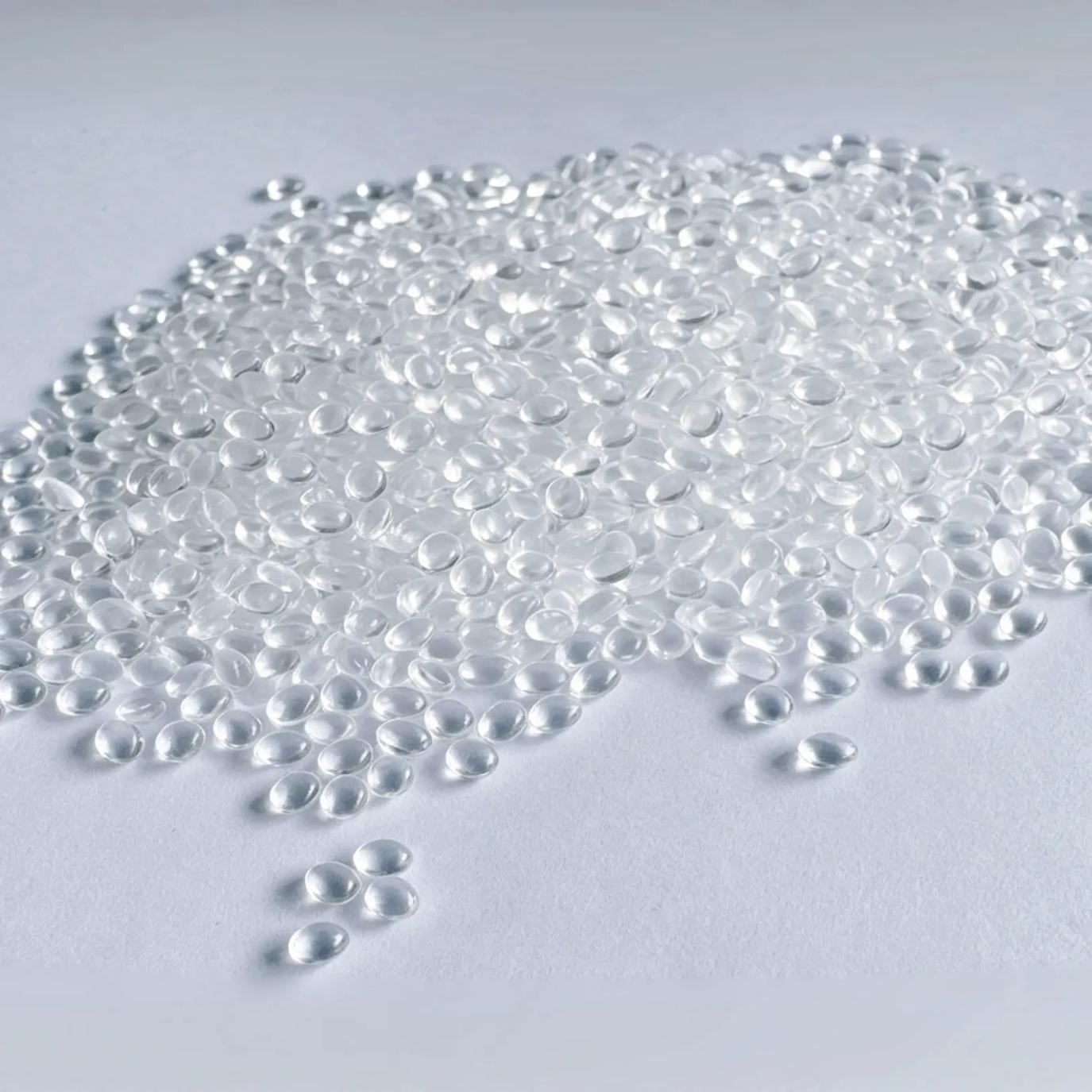
For those unfamiliar with the chemistry, 1,2-Polybutadiene is a unique thermoplastic elastomer. In the industry, finding a reliable 1,2-Polybutadiene supplier China is the first step for any compounding factory looking to upgrade its product line. Unlike traditional rubbers, RB has a semi-crystalline structure. Its refractive index is remarkably close to that of SBS, which is the "secret sauce" behind its ability to improve transparency.
When you blend LOSMAN RB polymer into a TR formulation, it acts as a high-efficiency modifier. It reduces the light scattering that typically occurs between different phases of a polymer blend. The result is a shoe sole that looks like glass but performs like high-grade rubber. Furthermore, because RB is a thermoplastic in nature, it integrates seamlessly into existing injection molding and extrusion workflows, making it a favorite among TR compound supplier experts.
Key Benefits of Using RB in TR Compounds
1. Superior Optical Clarity
The most immediate benefit of using RB for TR shoe soles is the visual upgrade. Standard TR can sometimes look "milky." By adding RB, the compound achieves a "crystal-clear" effect. This is particularly important for brands that want to showcase internal technology, such as air cushions or decorative mid-soles, through a transparent outer layer.
2. Enhanced Surface Gloss
A transparent sole that looks dull is a failure in the eyes of a designer. RB improves the surface finish of the molded part, giving it a high-gloss, premium sheen. This reduces the need for secondary coatings or polishing, saving time and labor costs in the factory.
3. Precise Hardness Control
One of the difficulties in TR shoe sole raw materials management is maintaining consistent hardness across different batches. RB allows for finer adjustments. Whether the design calls for a soft, flexible casual sole or a rigid, supportive athletic base, RB helps hit those target Shore A values with higher precision.
4. Better Flow and Processability
In the injection molding machine, flow is everything. RB acts as an internal lubricant, reducing the melt viscosity of the TR compound. This leads to faster cycle times and fewer defects like flow marks or "silver streaks," which are often magnified in transparent materials.
Why Sourcing from an RB Supplier in China is Advantageous
As the footwear industry continues to center its manufacturing hubs in Asia, the role of a local RB supplier China has become vital. Ningbo Losman Trading Co., Ltd. serves as a bridge between advanced chemical engineering and practical factory application. By sourcing directly from a specialist, manufacturers gain access to consistent quality and technical support that is often missing from general commodity traders.
Being a dedicated 1,2-Polybutadiene supplier China, we understand the nuances of the local supply chain. We ensure that our customers receive materials that are not only high-performing but also cost-effective. In a market where margins are tight, the ability to produce a premium-looking transparent sole at a competitive price point is a massive advantage.
Optimizing the Formulation: A Collaborative Effort
Achieving the perfect transparent sole is rarely about one single ingredient. It is about the synergy between SBS, oils, fillers, and the LOSMAN RB polymer. As a comprehensive TR compound supplier, Losman works closely with factories to optimize these ratios.
For instance, the balance between the plasticizing oil and the RB content is critical. Too much oil can lead to migration and "fogging" over time, while the right amount of RB can lock in the structure and prevent these issues. Our technical team often assists clients in adjusting their TR shoe sole raw materials to ensure long-term stability, preventing the dreaded yellowing that can plague clear soles after they sit on a retail shelf for a few months.
Sustainability and Future Outlook
The footwear industry is under increasing pressure to move toward more sustainable practices. While traditional rubbers can be difficult to recycle, thermoplastic materials like TR modified with RB are much easier to reprocess. Scraps from the injection molding process can often be reground and reused, reducing waste in the manufacturing cycle.
As a forward-thinking footwear polymer material provider, Ningbo Losman is constantly researching new ways to improve the environmental footprint of our products. We believe that the future of shoe soles lies in materials that are high-performing, beautiful, and responsible.
Conclusion
Transparency is no longer a luxury reserved for boutique brands. With the right materials and technical expertise, high-clarity TR soles are now accessible to the mass market. By choosing the right RB for TR shoe soles and partnering with a trusted RB supplier China, manufacturers can elevate their products from basic to premium.
At Ningbo Losman, we are proud to be a leading thermoplastic rubber supplier that empowers footwear creators. Our commitment to quality and innovation ensures that your "crystal" designs will shine bright on the global stage.
Frequently Asked Questions (Q&A)
Q1: Does adding RB to a TR compound affect the slip resistance of the shoe sole?
A1: No, when optimized correctly, RB actually helps maintain excellent grip. Because RB is a thermoplastic elastomer, it retains the rubbery characteristics of the base SBS, ensuring that the sole remains safe and slip-resistant even on wet surfaces.
Q2: Is LOSMAN RB polymer compatible with all grades of SBS?
A2: Yes, RB has excellent compatibility with both linear and radial SBS structures commonly used in TR compounding. However, the specific ratio of RB should be adjusted based on the vinyl content and molecular weight of the SBS to achieve maximum transparency.
Q3: Can I use RB to fix yellowing issues in my current transparent soles?
A3: While RB itself has excellent color stability and UV resistance, yellowing is often caused by the degradation of SBS or the use of low-quality oils. Using LOSMAN RB polymer as a modifier can improve the overall stability of the system, but we also recommend reviewing your entire formulation to ensure all components are UV-stabilized.
Q4: How does the cost of RB-modified TR compare to standard TR?
A4: While RB is a premium additive, the total cost of ownership is often lower. The improved processability leads to faster production cycles and fewer rejected parts. Additionally, the ability to sell the finished product as a "premium" transparent sole allows for higher retail margins.
Q5: What is the typical addition level of RB in a TR shoe sole compound?
A5: Depending on the desired level of transparency and hardness, the addition level typically ranges from 5% to 20%. As a leading TR compound supplier, Ningbo Losman can provide specific starting formulations tailored to your specific footwear application.
Author
Lily
Senior Manager
WhatsApp: +86-18107394949
© 2026 NINGBO LOSMAN TRADING CO., LTD. All Rights Reserved.