




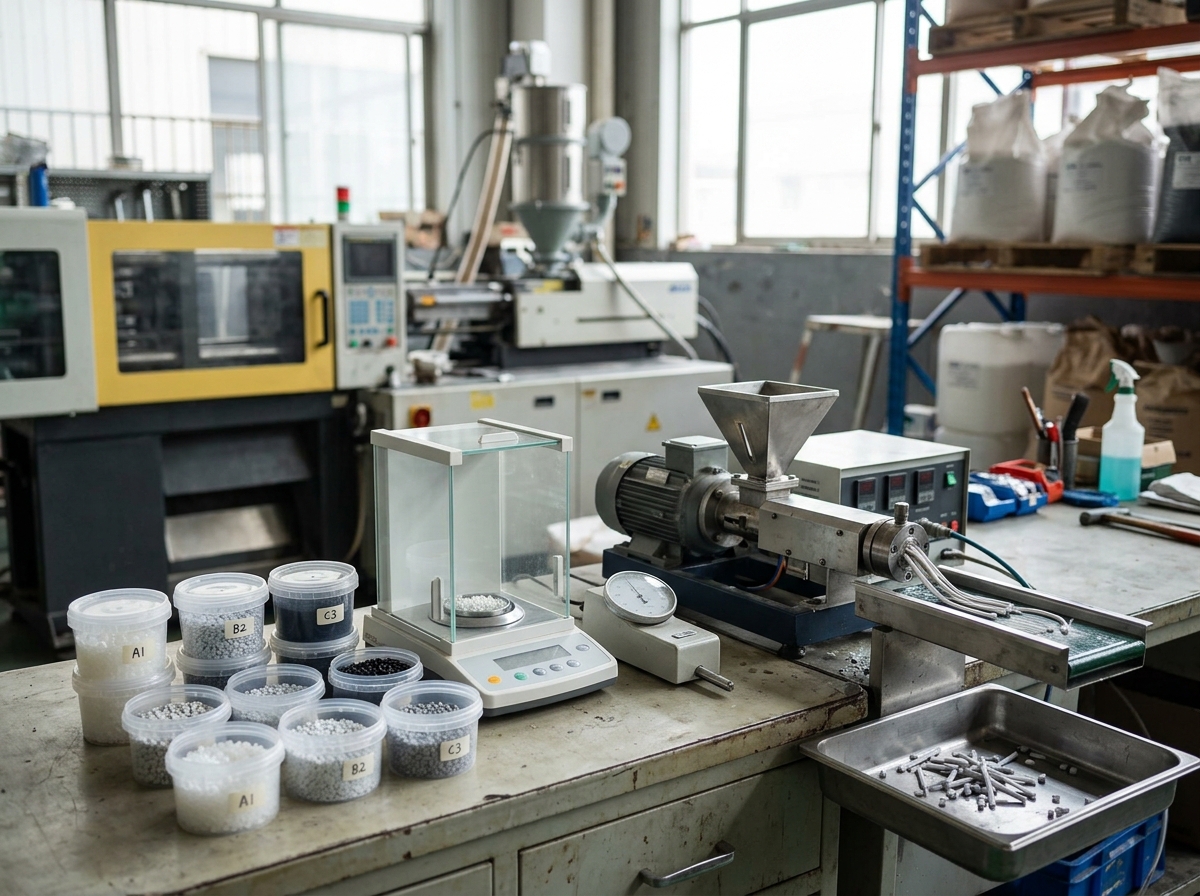

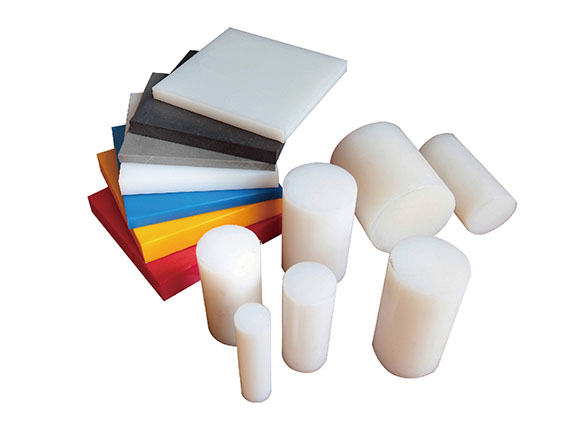
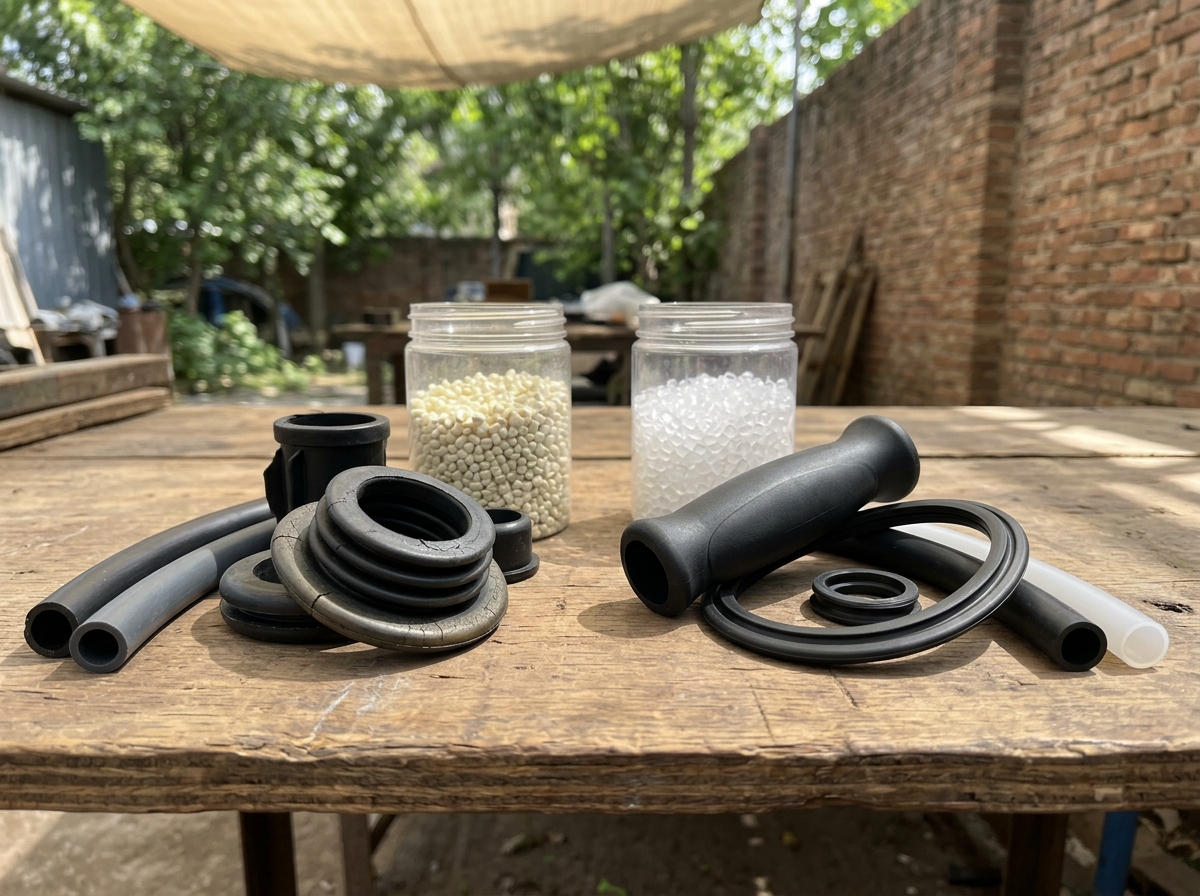

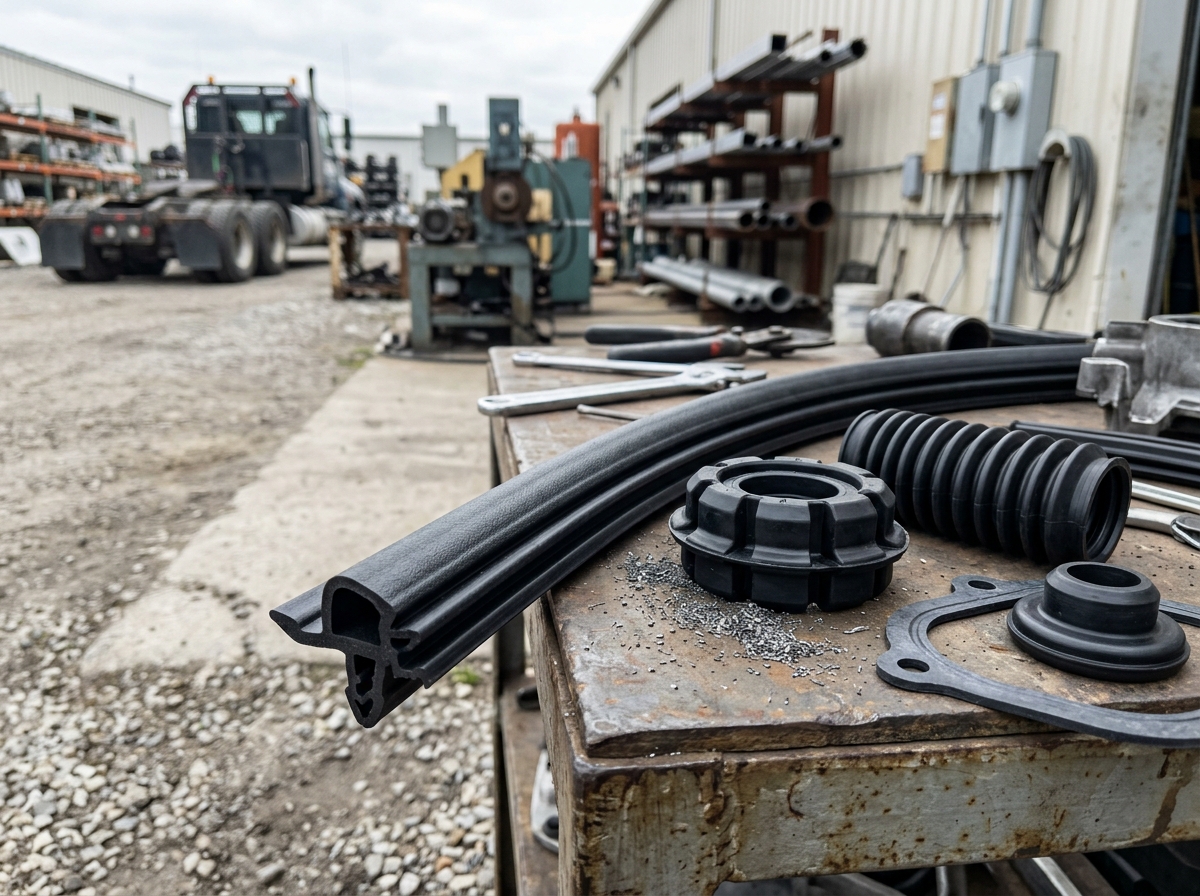

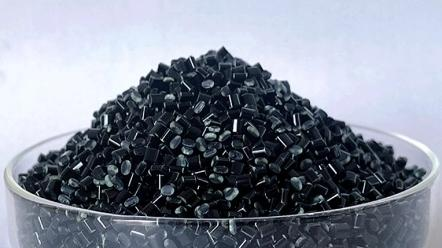
Silicone masterbatch improves lubrication and mold release by lowering friction at the melt-metal interface and by creating a thin silicone-rich layer that reduces sticking during filling, packing, and ejection. In plastic processing, that usually translates into easier demolding, lower torque or pressure, fewer surface defects, and more stable cycle times. The effect is especially valuable in injection molding, extrusion, and compounding when you need better surface feel without changing the base polymer architecture. For buyers, the real value is not just “slip,” but process stability: less scrap, fewer release agents, and more consistent part quality when the formulation and dosage are matched to the resin, filler load, and tooling condition.
- Silicone masterbatch works as a process aid, not just an additive, so it can improve release and lubrication at low let-down levels.
- The best results come from matching the carrier resin, silicone content, and target polymer family such as TPE, PP, or engineering plastics.
- Release improvements should be judged by measurable outcomes such as demolding force, cycle stability, surface gloss, and scrap rate.
- Compliance and testing matter: relevant evaluation often references ASTM D1894 for friction, ISO 294-1 for injection molding test specimens, and NIST guidance on traceability and measurement accuracy.
Silicone masterbatch is widely used in plastic processing because it can improve lubrication and mold release while preserving the base resin’s mechanical profile, and that matters in real production where a few microns of surface interaction can decide whether a part ejects cleanly or sticks. In many molded applications, even a small friction reduction can stabilize filling and release behavior; friction testing is commonly evaluated with ASTM D1894, while molded test pieces are often prepared under ISO 294-1 conditions to keep comparisons consistent. For sourcing and formulation decisions, you should also compare the masterbatch with the target polymer family, whether that is TPE, TPE compound solutions, SEBS-based materials, or TPV formulations, because carrier compatibility affects dispersion, release efficiency, and final appearance.
Why silicone masterbatch improves lubrication and mold release in plastic processing
Silicone masterbatch improves release because it changes how the polymer melt moves across metal and how the solidified part separates from the mold wall.
At the melt stage, silicone lowers internal and interfacial friction, which can reduce shear stress in screw channels, runners, and gates.
At the ejection stage, the same slip effect helps the part disengage from the cavity with less adhesion, especially on textured or high-contact surfaces.
This is why processors often use silicone masterbatch when a resin is otherwise difficult to mold, when a part has deep ribs or undercuts, or when the surface finish must stay clean without external mold sprays.
How silicone masterbatch works at the melt and mold interface
The mechanism is practical rather than mysterious: silicone migrates to the interface and forms a lubricating boundary layer.
That boundary layer reduces the coefficient of friction, which helps material flow and part release.
In injection molding, the benefit is often seen as lower injection pressure, easier filling of thin sections, and less sticking on the side opposite the gate.
In extrusion, processors may notice smoother screw conveying, lower melt drag, and more stable die exit behavior.
When a formulation contains fillers such as talc, calcium carbonate, or glass fiber, silicone masterbatch can also help offset the abrasive drag these fillers create, improving throughput and protecting tooling surfaces over time.
| Processing issue | Observed effect from silicone masterbatch | Typical operational metric | Why it matters |
|---|---|---|---|
| High mold adhesion | Cleaner ejection | Lower demolding force | Reduces sticking and part damage |
| High melt friction | Smoother flow | Lower torque or pressure | Helps process stability |
| Poor surface feel | Improved slip and touch | More uniform gloss and tactility | Supports consumer-facing parts |
| Tool fouling from spray release agents | Cleaner production | Fewer external release applications | Improves housekeeping and consistency |
Where silicone masterbatch is most effective in plastic processing
Silicone masterbatch is most effective when the process problem is friction-driven rather than purely mold-design-driven.
That makes it especially useful in injection molded consumer goods, extruded profiles, cable jackets, TPE parts, and engineering plastics that need a better surface finish.
It is also widely used in soft-touch products where slip control and release need to coexist, such as handles, grips, seals, and overmolded components.
For a broader polymer portfolio, it often sits alongside TPO materials, SBS-based compounds, SEBS compounds, and HIPS solutions, depending on whether the final priority is flexibility, impact resistance, or surface quality.
| Application | Why silicone masterbatch is used | Common benefit | Decision note |
|---|---|---|---|
| Injection molding | Lower sticking and easier ejection | Shorter or more stable cycle | Useful for deep cavity parts |
| Extrusion | Reduced die friction | Smoother output | Helpful for profiles and jackets |
| TPE compounding | Surface slip and release | Better tactility | Needs carrier compatibility |
| Filled plastics | Offsets abrasive drag | Less tooling wear risk | Validate with final filler package |
What quantitative targets matter when evaluating silicone masterbatch
Quantitative evaluation is essential because “better release” must be proven with measurable process data.
The most useful metrics are coefficient of friction, demolding force, cycle-time stability, melt pressure, torque, and surface quality.
For friction testing, ASTM D1894 is the common reference for static and kinetic coefficient of friction testing on plastic film and sheeting, while ISO 294-1 is used to prepare injection-molded test specimens under controlled conditions.
For measurement confidence, NIST emphasizes traceability and precision control, which is important when comparing two release additives that may differ only slightly in performance.
| Metric | Typical evaluation method | Useful numeric reference | Interpretation |
|---|---|---|---|
| Coefficient of friction | ASTM D1894 | Reported as static and kinetic values | Lower values usually indicate easier slip |
| Injection specimen control | ISO 294-1 | Standardized specimen preparation | Makes test results comparable |
| Measurement traceability | NIST metrology guidance | Documented calibration chain | Reduces false process conclusions |
| Release performance | Plant trials | Demolding force and scrap rate | Most relevant to production reality |
In practice, many processors judge success by whether the mold can run at the same or slightly lower pressure while keeping ejection consistent over an entire shift, not just the first few shots.
How silicone masterbatch compares with external mold release agents
Silicone masterbatch is usually more stable than external mold release sprays because it is built into the compound rather than applied on the tool surface.
That difference matters when parts must be painted, printed, bonded, or assembled after molding, because heavy spray residue can create downstream adhesion problems.
External release agents can still be useful for startup or difficult molds, but they often require repeated application and can introduce process variability.
Silicone masterbatch is therefore a better fit when you want repeatable production rather than occasional rescue.
| Option | Strength | Weakness | Best use case |
|---|---|---|---|
| Silicone masterbatch | Built-in release and lubrication | Needs formulation validation | Steady production runs |
| External mold release spray | Immediate surface effect | Can contaminate parts | Short-term troubleshooting |
| Process parameter tuning | No added chemistry | Limited by tooling design | When the issue is thermal or venting related |
How dosage, carrier resin, and base polymer affect performance
Dosage and compatibility determine whether silicone masterbatch behaves like a useful process aid or a source of surface imbalance.
A masterbatch designed for polyolefins may not disperse the same way in TPE, TPU, or engineering plastics, so the carrier system should be matched to the host resin.
That is why one plant may see excellent release at a low addition rate while another sees haze, bloom, or only modest gains.
Processors should confirm the let-down ratio with small trials before moving to full production.
- Check resin compatibility first, because dispersion quality drives final effect.
- Test a narrow dosage window, then compare release, gloss, and weld line appearance.
- Measure both initial and steady-state performance, since some additives change behavior after thermal history builds up.
- Review downstream steps such as printing, bonding, and painting before locking the formulation.
For buyers sourcing a broader elastomer portfolio, the same logic applies to TPR/TR materials, SIS materials, and SAN materials, because each resin family responds differently to slip and release additives.
What a practical plant trial should measure
A practical plant trial should measure more than whether the part came out of the mold.
The trial should record cycle time, ejection consistency, surface appearance, torque or pressure trend, and the frequency of rejects during a full production window.

It is also wise to note tool temperature, part geometry, and any filler package, because these factors can change release behavior even when the additive dose is constant.
- Run a control batch with the current formulation.
- Introduce silicone masterbatch at one or two dosage levels.
- Record start-up stability, not only steady-state performance.
- Inspect parts for haze, bloom, streaks, or printability issues.
- Compare scrap and rework counts across the same production window.
In many plants, the practical gain is not dramatic headline speed, but a modest reduction in drag and a more consistent ejection profile that keeps operators from constantly adjusting the machine.
How silicone masterbatch supports TPE, TPV, TPO, and related compounds
Silicone masterbatch is especially relevant in elastomeric compounds because these materials often need both softness and processability.
TPE is the broad family used for injection molding, extrusion, and overmolding, while TPV is chosen when heat resistance and dynamic durability are more important.
TPO is often selected in cost-sensitive and lightweight applications, and TPR/TR is widely used where soft feel and easy molding matter.
Silicone masterbatch helps these materials flow and release more predictably, which is why it is frequently considered during compound optimization rather than only after a tooling problem appears.
In the same product ecosystem, one often sees TPV compound options, TPO compound options, and TPE compound options reviewed together so the processor can align softness, heat performance, and mold release in one formulation strategy.
What standards and compliance points matter for global buyers
Global buyers should validate not only release performance but also the compliance context of the material system.
For plastics that may contact consumers or enter regulated markets, downstream needs can include food-contact review, restricted-substance screening, and documentation of test methods.
For process validation, the most relevant standards are often those that support repeatable measurement rather than a single pass or fail label.
That is why standards such as ASTM D1894, ISO 294-1, and metrology guidance from NIST are useful in buyer-supplier discussions.
They give procurement teams a common language for comparing release additives, compounding quality, and production repeatability.
Common mistakes when using silicone masterbatch
The most common mistake is assuming that more silicone automatically means better release.
In reality, excessive addition can change surface feel, reduce paint or adhesive compatibility, or create visual side effects such as bloom.
A second mistake is ignoring carrier mismatch, which can prevent proper dispersion and make performance look inconsistent from lot to lot.
A third mistake is skipping downstream validation, especially if the molded part needs printing, ultrasonic welding, overmolding, or bonding later in the line.
- Do not treat silicone masterbatch as a universal fix for poor tool design.
- Do not increase dosage without checking appearance and downstream adhesion.
- Do not compare trial results unless the test method and specimen preparation are controlled.
- Do not ignore filler load, because filled compounds often need a different additive balance.
When silicone masterbatch is the right business choice
Silicone masterbatch is the right choice when the cost of release problems is higher than the cost of formulation adjustment.
That usually means recurring scrap, unstable cycle times, high operator intervention, or surface defects that cannot be solved with machine settings alone.
It is also attractive when a processor wants to reduce reliance on spray release agents and maintain cleaner downstream finishing.
For a supplier, the strongest value proposition is not a generic additive claim, but a data-backed recommendation tied to the resin family, tool geometry, and end-use requirement.
That is exactly why material portfolios are often organized around application families such as HIPS, SAN, SEBS, and TPV, so technical teams can choose the most processable route for a given mold release problem.
FAQ
What is silicone masterbatch in plastic processing?
Silicone masterbatch is a concentrated additive system used to improve lubrication, surface slip, and mold release during compounding, extrusion, and injection molding.
How does silicone masterbatch reduce mold sticking?
It reduces the friction at the melt-metal and solid-part-mold interface, which helps parts separate more cleanly during ejection.
Is silicone masterbatch better than external mold release spray?
For stable production, yes, because it is built into the compound and usually creates less residue and less variability than repeated spray application.
Will silicone masterbatch affect painting or bonding?
It can, if the dosage is too high or if the formulation is not validated for downstream adhesion, so finishing tests should be part of the trial.
Which materials benefit most from silicone masterbatch?
TPE, TPV, TPO, TPR/TR, and some filled engineering plastics often benefit because they commonly need both processability and clean release.
How should performance be tested?
Use controlled friction testing such as ASTM D1894, standardized specimen preparation such as ISO 294-1, and plant trial data such as demolding force and scrap rate.
What is the most important selection factor?
The most important factor is compatibility between the silicone masterbatch carrier and the base resin, because dispersion quality determines whether release and lubrication improvements are consistent.