





0102030405
How to Reduce Production Costs Using Cost-Effective TPE and TPR Compounds
2026-08-24
Introduction: The Economic Imperative of Material Optimization in Modern Manufacturing
In today's fiercely competitive global manufacturing landscape, plant managers and product designers constantly face a dual challenge: elevating product performance while aggressively cutting operational expenses. For industries ranging from automotive components and consumer electronics to footwear and daily household goods, raw material expenditure typically constitutes the largest share of total manufacturing costs. Consequently, identifying high-performance, Cost-Effective Materials is no longer just an option—it is a strategic necessity for long-term profitability.
Among the various polymer options available, TPE (Thermoplastic Elastomer) and TPR (Thermoplastic Rubber) compounds have emerged as revolutionary alternatives to traditional thermoset rubber and costly engineering plastics. By combining the processing ease of thermoplastics with the elasticity and tactile appeal of elastomers, these compounds offer unprecedented opportunities for efficiency gains. Ningbo Losman Trading Co., Ltd. (Ningbo Losman), as an established leader in the polymer distribution sector [1], specializes in providing tailored, cost-effective TPE and TPR solutions. This article explores how manufacturers can leverage these advanced compounds to significantly reduce production costs without compromising quality
1.Understanding the Economics of TPE and TPR Compounds
To appreciate how TPE and TPR materials drive cost savings, one must first understand their fundamental processing advantages over traditional thermosetting rubbers (such as EPDM or silicone).
Eliminating Vulcanization and Secondary Steps
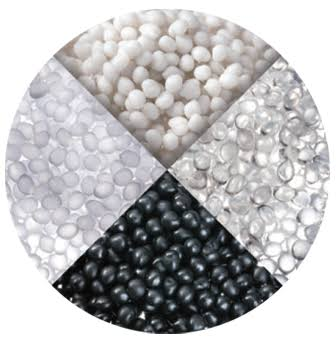
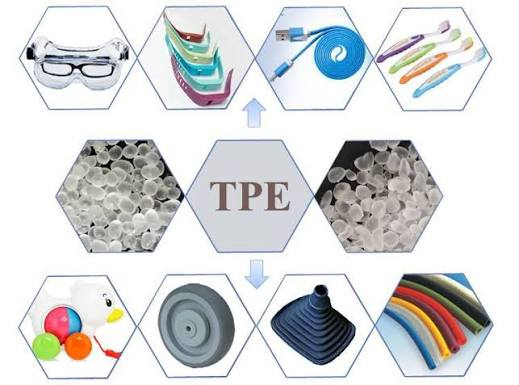
Traditional rubber manufacturing requires vulcanization (curing), a time-consuming thermal process that consumes substantial energy, requires specialized curing equipment, and generates considerable waste due to non-recyclable scrap. In contrast, TPE and TPR compounds are 100% thermoplastic. They can be processed using standard thermoplastic machinery—such as injection molding, extrusion, and blow-molding equipment—with cycle times that are often fractions of traditional rubber curing times.
Energy Efficiency and Scrap Reduction
Because thermoplastic elastomer scrap (sprues, runners, and off-spec parts) can be easily reground and reprocessed directly in the production cycle, material waste costs plummet. Furthermore, lower processing temperatures and shorter cycle times translate directly into significant electrical energy savings per unit produced.
2.Key Cost-Saving Mechanisms in Manufacturing Operations
Integrating cost-effective TPE and TPR formulations into your production lines yields savings across multiple operational dimensions:
Cycle Time Reduction and High Productivity
TPE and TPR materials exhibit excellent melt flow properties and rapid cooling characteristics. In injection molding operations, this allows for faster mold filling and shorter cooling phases. When multiplied across hundreds of thousands of production cycles, even a few seconds saved per part results in massive gains in machine hourly output and reduced labor overhead per unit.
Simplification of Multi-Component Assemblies via Over Molding
One of the most powerful cost-reduction strategies enabled by TPE and TPR is Over Molding. Instead of manufacturing a rubber grip or seal separately and subsequently assembling it onto a rigid plastic or metal substrate using adhesives or mechanical fasteners, manufacturers can execute a two-shot or insert injection molding process.
- Labor Savings:Eliminates manual post-processing and assembly steps.
- Material Efficiency:Creates a permanent, seamless chemical or mechanical bond, reducing failure rates and warranty claims.
Weight Reduction and Logistics Optimization
Compared to metals and certain heavy engineering plastics, TPE and TPR compounds offer a lower specific gravity, contributing to effective product lightweighting. Lighter components directly reduce shipping and freight costs across the global supply chain, providing a compounding financial benefit for high-volume consumer goods and automotive parts.
3.Strategic Material Selection for Diverse Industrial Applications
Maximizing cost-effectiveness requires matching the correct TPE or TPR grade to the specific functional requirements of the end product. Losman provides a diverse portfolio tailored to various sectors:
Consumer Goods and Handheld Tools
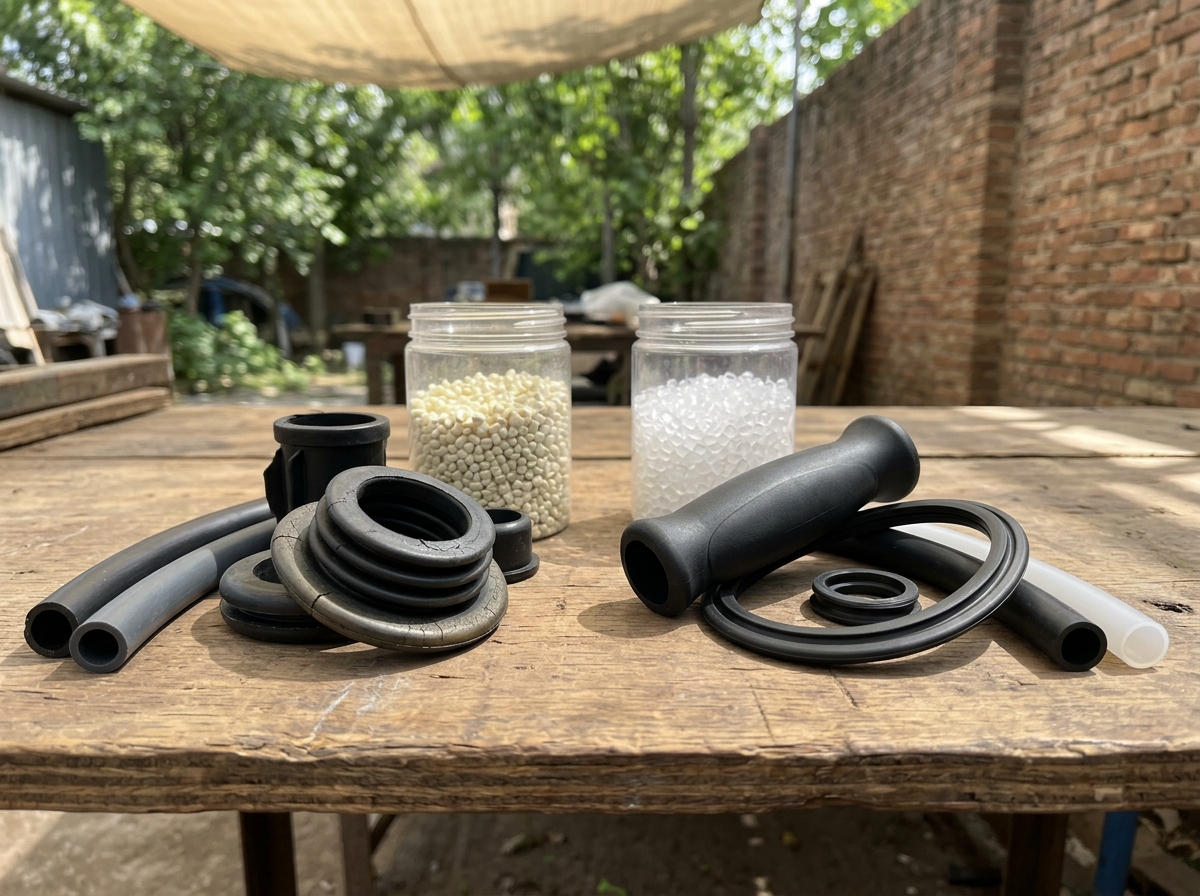
For products requiring a pleasant tactile sensation (soft touch), ergonomic grip, and vibrant colorability, standard or customized TPR compounds deliver exceptional value. They replace expensive silicone or complex multi-part mechanical assemblies while providing superior slip resistance in power tool handles, kitchen utensils, and personal care products.
Footwear and Sports Equipment
In the footwear industry, Shoe & Foaming TPE/TPR grades offer lightweight cushioning, excellent rebound resilience, and abrasion resistance. Their ability to be foamed to varying densities allows manufacturers to optimize material usage per unit, directly cutting raw material costs for shoe soles and athletic padding.
Automotive and Industrial Seals
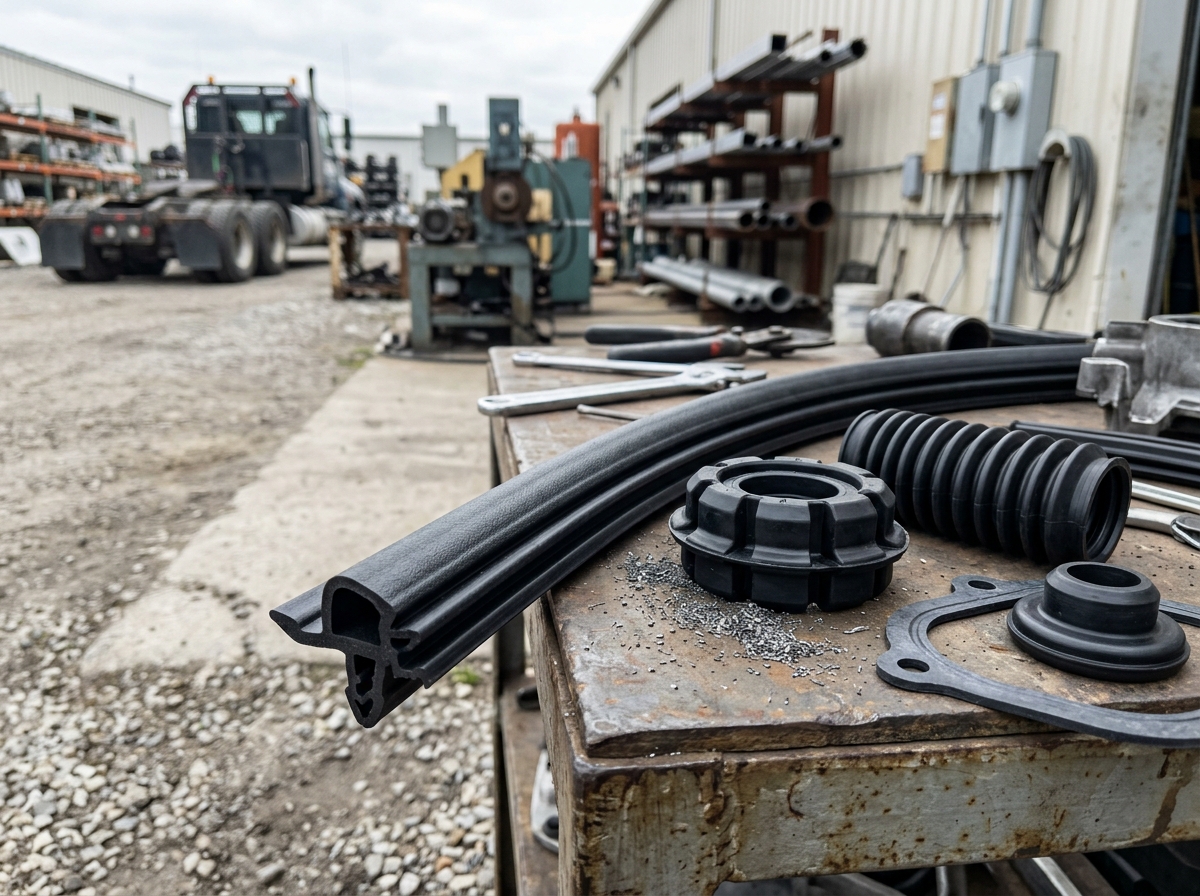
For under-hood or exterior automotive applications, specialized high-performance TPE and TPR grades provide resistance to UV radiation, weathering, and moderate chemicals, serving as cost-effective replacements for high-cost fluoropolymers or specialized engineering plastics.
4.Losman’s Commitment: Expert Guidance and Supply Chain Reliability
Achieving genuine cost reduction is not merely about purchasing the cheapest raw material per kilogram; it is about lowering the total cost of ownership (TCO) through reliable quality, process optimization, and technical expertise.
Rigorous Quality Control and Batch Consistency
Inconsistent raw material viscosity or hardness can cause sudden mold jamming, flash, or high rejection rates—wiping out any initial savings on resin purchasing. Ningbo Losman Trading Co., Ltd. enforces strict quality assurance protocols, partnering with top-tier polymer manufacturers to ensure that every batch of TPE and TPR compound delivers predictable, stable processing behavior [1].
Customized Formulations and Technical Support
Every manufacturing plant operates with unique equipment, mold designs, and performance targets. Losman’s experienced technical team works closely with client engineers to formulate customized TPE/TPR compounds that hit precise hardness, melt flow, and adhesion targets. By optimizing processing parameters and material selection upfront, we help manufacturers eliminate costly trial-and-error phases and achieve immediate operational efficiency.
Conclusion: Partnering for Sustainable Cost Efficiency
Reducing production costs without sacrificing quality is the hallmark of world-class manufacturing. By transitioning to advanced, Cost-Effective Materials such as TPE and TPR compounds, enterprises can streamline their operations, eliminate wasteful vulcanization steps, enhance productivity through overmolding, and deliver superior products to the market. Ningbo Losman Trading Co., Ltd. stands ready to be your trusted partner in this journey, offering top-tier polymer solutions, uncompromising quality control, and expert technical support.
Frequently Asked Questions (FAQs)
Q1: What is the fundamental difference between TPE and TPR, and how do they affect production costs?
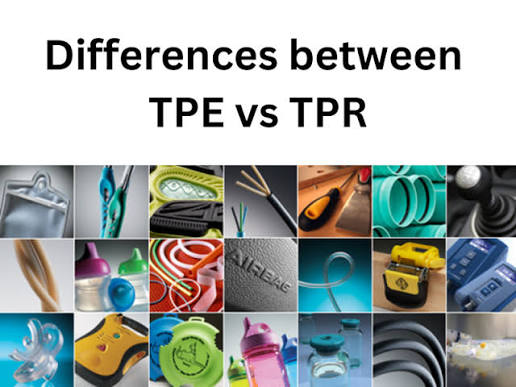
A1: While TPE (Thermoplastic Elastomer) is a broad umbrella term encompassing various block copolymers (such as SEBS, TPO, TPV), TPR (Thermoplastic Rubber) traditionally refers to styrene-butadiene block copolymer (SBS) based compounds blended with oils and fillers. From a production cost perspective, both offer the crucial advantage of thermoplastic processing (no vulcanization needed). TPR is often selected for highly cost-sensitive consumer goods where moderate mechanical properties suffice, whereas high-end TPEs (like SEBS or TPV based) are chosen when superior weather resistance, heat aging, or compression set performance is required.
Q2: How can switching to TPE or TPR compounds reduce labor and assembly expenses?
A2: Traditional rubber parts often require manual trimming of flash, secondary vulcanization, and manual bonding or mechanical fastening to rigid substrates. TPE and TPR compounds are perfectly suited for Over Molding and multi-component injection molding. This allows manufacturers to mold the soft elastomer directly onto a hard plastic or metal substrate in a single automated cycle. This eliminates post-processing, reduces assembly labor to zero, and minimizes human error.
Q3: Are recycled or regrind TPE/TPR materials reliable for cost-conscious manufacturing?
A3: Yes, because TPE and TPR are true thermoplastics, clean manufacturing scrap (such as runners and sprues) can be safely reground and blended with virgin material at controlled percentages (typically 10% to 25% depending on the application) without severely degrading mechanical properties. Furthermore, Losman works with manufacturers to supply specialized, cost-effective industrial grades that maintain consistent batch performance, ensuring that cost reduction does not come at the expense of structural integrity.
Q4: What technical parameters should factory engineers evaluate when selecting a cost-effective TPE/TPR compound?
A4: Factory engineers should evaluate several key parameters:
- Hardness (Shore A/D):Determines flexibility and tactile feel.
- Melt Flow Rate (MFR / MFI):Dictates processing flowability and cycle time.
- Specific Gravity:Affects part weight and material consumption per volume.
- Adhesion Profile:Crucial if overmolding onto specific substrates like ABS, PC, or PP.
- Environmental Exposure:Temperature limits and UV resistance requirements. Losman provides comprehensive Technical Data Sheets (TDS) to guide this evaluation.
Q5: How does Ningbo Losman Trading Co., Ltd. help clients optimize their material costs?
A5: Ningbo Losman Trading Co., Ltd. goes beyond simple raw material distribution. We offer comprehensive technical consultation, helping clients analyze their current production processes, cycle times, and scrap rates. By recommending precisely tuned TPE and TPR formulations—or developing Customized Solutions tailored to specific injection molding or extrusion setups—we help manufacturers minimize cycle times, eliminate processing defects, and achieve the lowest possible total manufacturing cost.
References
Author
Nuski
Senior Manager
WhatsApp: +86-18163849273
© 2026 NINGBO LOSMAN TRADING CO., LTD. All Rights Reserved