



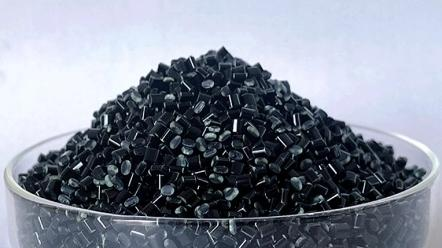
TPR material can balance elasticity and wear resistance in footwear by combining rubber-like rebound with thermoplastic processability, then tuning the formulation for hardness, abrasion behavior, and grip. In practice, the best footwear material is rarely the softest one; it is the compound that keeps a stable Shore hardness, resists outsole abrasion, and still feels comfortable during long walking cycles. For manufacturers, that balance depends on base resin selection, plasticizer level, filler type, and how well the compound processes in injection or extrusion. When the application needs stronger abrasion resistance, TPR is often compared with TPU materials; when the priority is comfort and cost control, it is often positioned alongside TPE materials and other elastomer systems.
- TPR material is valued in footwear because it combines cushioning, flexibility, and practical wear resistance in a processable thermoplastic form.
- Wear resistance depends on formulation details such as polymer balance, fillers, and hardness, not on softness alone.
- Footwear buyers should evaluate outsole abrasion, rebound, slip behavior, and batch consistency together, not as separate questions.
- Standards such as ISO 4649 and ASTM D5963 provide useful abrasion-test references for material comparison.
TPR material in footwear is most effective when the compound is designed around measurable targets such as hardness, abrasion loss, and processing stability, because footwear material performance is judged at the consumer level through comfort, outsole life, and visual durability. For abrasion testing, widely used methods include ISO 4649 and ASTM D5963, while coefficient-of-friction discussions often reference shoe-surface testing practice rather than a single universal number. In a commercial sourcing workflow, buyers also compare adjacent options such as TPR compounds, TPV materials, and supplier capability information to decide whether the priority is comfort, wear, or long-term supply stability.
Why TPR material works in footwear: elasticity and wear resistance are designed together
TPR material works in footwear because it bridges two requirements that often conflict: a soft, resilient feel and a durable outsole surface.
From a product-design perspective, the upper-foot experience and the ground-contact experience are different problems. The midsole or cushioned layer needs energy absorption and rebound, while the outsole needs resistance to mechanical wear, flex fatigue, and surface polishing. TPR material is often selected because it can be formulated to deliver both, especially in casual shoes, slippers, sandals, and some low-to-mid abrasion walking footwear.
The key point is that wear resistance is not only a polymer-property question. It is also a compounding question. The same TPR family can feel soft, medium, or firm depending on the styrene-elastomer ratio, oil package, filler content, and process temperature. In other words, a footwear material becomes durable when the compound is matched to the real walking environment.
TPR material, footwear material, and wear resistance: what the chemistry is really doing
TPR material usually behaves as a thermoplastic rubber system with rubber-like elasticity and plastic-like processability.
That means the compound can be injection molded or extruded without the curing step required by traditional vulcanized rubber, which supports high-volume footwear production and easier scrap reprocessing. For footwear factories, this is important because molding consistency, cycle time, and color control affect overall economics as much as raw mechanical performance.
In practice, many footwear compounds in this family are tuned for specific trade-offs:
- Higher elastomer content improves rebound and comfort.
- Higher hardness usually improves scuff and abrasion behavior, but can reduce softness.
- Better filler dispersion improves surface uniformity and lowers weak points.
- Appropriate oil selection helps flexibility without making the outsole too soft.
For buyers, the useful question is not “Is TPR strong?” but “Is this TPR compound strong enough for my wear pattern?” A warehouse-employee clog, a fashion sandal, and a children’s shoe can all use TPR material, yet they demand different abrasion and flex profiles.
How to balance softness and durability in TPR footwear material
The best balance is achieved by setting a target hardness first, then verifying wear performance instead of chasing maximum softness.
Footwear developers often begin with Shore A hardness because it is easy to relate to user feel and outsole behavior. As hardness drops, comfort often rises, but abrasion loss may increase if the formulation is too plasticized. The challenge is to keep resilience without creating a surface that polishes quickly or tears at high-stress flex zones.
| Design lever | Typical direction | Effect on comfort | Effect on wear resistance |
|---|---|---|---|
| Lower hardness | More flexible | Higher | Usually lower |
| Higher filler loading | More surface reinforcement | Lower to moderate | Higher if dispersion is good |
| Better elastomer balance | Improved rebound | Higher | Moderate to higher |
| Excess plasticizer | Very soft feel | Higher initially | Lower, especially under abrasion |
The table shows the central trade-off: a very soft outsole may feel pleasant at first, but if the formulation is over-plasticized, the wear surface can polish or abrade too fast. For that reason, leading footwear material evaluations should include both feel testing and wear testing.
Which tests matter most for TPR material in footwear applications
A credible footwear material evaluation should include abrasion, flex, hardness, and aging tests, not just a hand-feel check.
For abrasion, two widely used reference methods are ISO 4649 and ASTM D5963. These tests quantify volume loss or wear behavior under controlled conditions, which helps compare compounds before toolmaking or mass production. For hardness, Shore A is commonly used for softer footwear compounds, while harder outsole blends may require careful interpretation across the full formulation window.
For durable shoe materials, flex fatigue and low-temperature behavior matter too. A material can pass abrasion but fail in repeated bending if the compound embrittles after aging or becomes too brittle in cold conditions. This is why footwear teams should test the whole system, including the sole geometry, not just the resin.
| Test item | What it measures | Why it matters for footwear | Common reference |
|---|---|---|---|
| Abrasion resistance | Volume loss or wear rate | Outsole life and polish resistance | ISO 4649 |
| Mass-loss wear testing | Material loss under friction | Comparative compound ranking | ASTM D5963 |
| Hardness | Surface resistance to indentation | Comfort and ground feel | Shore A scale |
| Flex fatigue | Crack growth under repeated bending | Sole durability at bending points | Lab method dependent |
In sourcing discussions, asking for these test results is more useful than asking for a generic “high quality” claim. A compound that shows stable abrasion data and repeatable hardness across batches is usually a better footwear material than one that only feels soft in a sample chip.
Where TPR material beats other footwear materials, and where it does not
TPR material is strongest when the footwear project needs a cost-effective balance of softness, processing ease, and practical wear resistance.
Compared with TPU, TPR often offers a softer initial feel and easier cost positioning, while TPU is frequently selected for higher abrasion and tougher mechanical environments. Compared with more specialized elastomer systems, TPR can be easier to process in mainstream footwear lines and can support large-volume styling changes without major production disruption.
| Material family | Main strength | Common footwear use | Typical decision note |
|---|---|---|---|
| TPR | Elasticity plus processability | Casual shoes, slippers, sandals | Good balance when cost and comfort both matter |
| TPU | Higher abrasion and toughness | Performance footwear, wear-heavy zones | Better when durability is the top priority |
| TPE | Broad formulation flexibility | Soft-touch and general elastomer parts | Useful when the design requires broader tuning |
| TPV | Heat and weather resistance | Non-footwear industrial seals | Usually less footwear-focused |
For footwear sourcing teams, the decision is rarely binary. Many brands evaluate TPR for the outsole or decorative sole component and compare it with TPE materials or TPU materials when they need different levels of wear, cost, and tactile performance.
What manufacturers should control to keep TPR wear resistance consistent
Batch consistency is the hidden issue behind many footwear durability complaints.
A TPR compound can pass lab testing and still underperform in mass production if filler dispersion changes, oil ratio drifts, or molding temperature is not well controlled. That is why procurement teams should ask for lot-to-lot consistency data, not only single-sample results. Consistency matters because shoes are worn in pairs, and the left-right visual and mechanical behavior should remain aligned.
- Lock the target Shore hardness range before final mold approval.
- Set abrasion acceptance criteria using a recognized method such as ISO 4649 or ASTM D5963.
- Verify flex fatigue at the finished-part level, not only on raw pellets.
- Check color stability and surface bloom after heat and storage aging.
- Audit each production lot for hardness drift, density drift, and melt behavior.
Those steps reduce the risk of customer returns caused by premature sole polishing, edge cracking, or uneven walking feel. For OEM programs, this is often more valuable than a marginal reduction in raw material price.
How footwear brands can specify TPR material without overengineering the request
The best specification is functional, not just chemical.
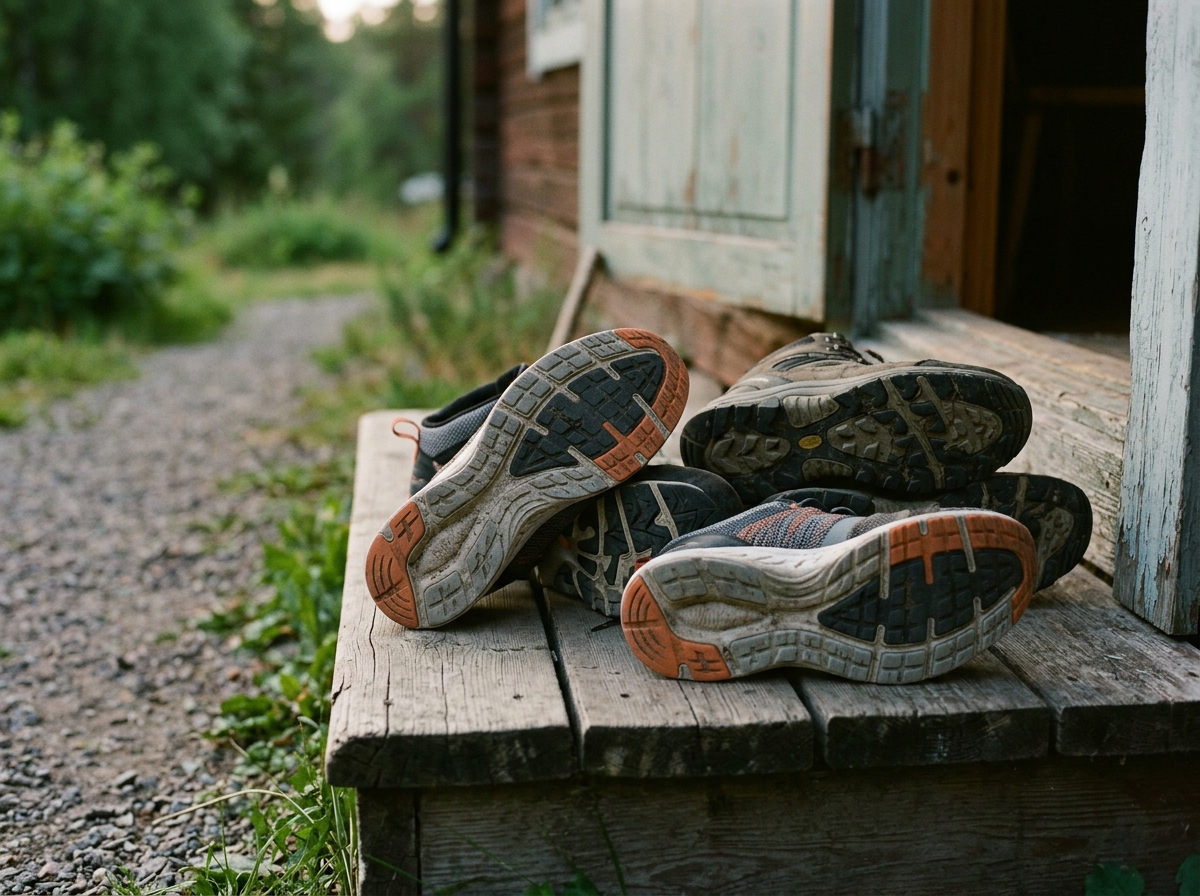
Instead of requesting only “TPR material,” footwear buyers should define the usage context, target feel, and minimum durability thresholds. That allows suppliers to choose the right elastomer balance without forcing a one-size-fits-all formula.
- Define the product type: slipper, sandal, casual shoe, children’s footwear, or work-style casual.
- State the comfort target: soft, medium, or firm step feel.
- Specify the wear environment: indoor, outdoor, mixed-use, oily floor, or rough pavement.
- Request testing: abrasion, hardness, flex fatigue, aging, and color stability.
- Ask for batch traceability and sample retention.
This is also where a supplier’s broader material portfolio helps. A buyer comparing TPR with TPV materials or other elastomer grades can make a more rational selection if the supplier explains trade-offs clearly and provides test data that is easy to audit.
Common failure modes when TPR footwear material is underdesigned
Most TPR footwear failures come from formulation mismatch, not from the material family itself.
If the compound is too soft, the outsole can wear quickly at the heel and toe contact zones. If it is too hard, it may feel uncomfortable and can transmit more impact to the foot. If fillers are poorly dispersed, localized wear points can appear early. If the plasticizer package is unstable, the surface may become sticky, dry, or glossy in ways that hurt both appearance and performance.
The most common field complaints are predictable:
- Premature sole polishing after short use cycles.
- Loss of grip on smooth indoor floors.
- Edge wear around high-flex zones.
- Uneven left-right appearance after aging.
- Batch-to-batch hardness drift.
These problems are avoidable when the supplier and buyer align on use-case testing rather than only relying on catalog descriptions.
What the data says about wear testing and real-world selection
Real-world footwear selection becomes more accurate when lab data is tied to actual walking conditions.
A wear test is most useful when the test setup reflects the product’s real environment: contact pressure, surface roughness, flex frequency, and temperature range. For example, a soft indoor slipper and an outdoor casual shoe should not be judged by the same acceptance threshold unless the usage pattern is similar. This is why top footwear teams use a combination of lab abrasion, practical wear trials, and consumer feedback.
From a manufacturing standpoint, thermoplastic processing also adds value because rejected trial parts can often be reground and reprocessed more easily than in fully vulcanized systems, depending on internal quality rules. That can lower waste during sampling and speed up development cycles. In large-scale footwear production, small improvements in rework efficiency can matter as much as raw performance gains.
For sourcing teams, the best decision framework is simple: choose the footwear material that meets the lowest acceptable hardness, the highest acceptable wear loss, and the cleanest processing window, then validate it in the real shoe shape.
When should buyers choose TPR material for footwear?
TPR material is a smart choice when the project needs balanced comfort, reasonable wear resistance, and scalable manufacturing.
It is especially suitable for casual footwear, budget-to-midrange sandals, slippers, and products where the outsole must feel soft enough for daily walking but still look stable after repeated use. It is less ideal when the outsole faces aggressive abrasion, oily environments, or high-performance athletic demands, where TPU or other specialized systems may be stronger candidates.
If the sourcing brief includes visual consistency, stable supply, and balanced cost, TPR remains one of the most practical footwear material options. If the brief demands the highest possible wear life, the team should compare TPR with higher-abrasion elastomer systems before tooling.
FAQ
Is TPR material good for footwear outsoles?
Yes, TPR material is widely used in footwear outsoles because it offers a practical balance of cushioning, flexibility, and wear resistance.
How does TPR material compare with TPU in footwear?
TPR material usually delivers a softer, more cost-balanced feel, while TPU often provides stronger abrasion resistance and toughness.
What hardness is best for footwear material made with TPR?
The best hardness depends on the shoe type, but the final target should be selected around the required comfort level and wear environment rather than a single universal number.
Which test is best for TPR wear resistance?
ISO 4649 and ASTM D5963 are widely used references for abrasion comparison in elastomeric materials.
Why does one TPR sample feel better but wear faster?
Because softness and wear resistance are controlled by different formulation factors, and a softer compound can lose material faster if it is over-plasticized or under-reinforced.
Can TPR material be used for children’s footwear?
Yes, if the compound is tuned for low weight, safe grip, comfort, and the required abrasion and flex performance.
What should buyers request from a TPR supplier?
Buyers should request hardness data, abrasion-test results, flex performance, lot consistency, and the intended application window for the footwear material.