






0102030405
LSMChem Own-Factory Modified Plastics: A Systematic Material Portfolio for High-End Injection Molding
2026-09-14
1. From Single-Grade Purchasing to Application-Based Material Portfolios
For high-end injection-molding projects, the central challenge is rarely the selection of a single resin alone. Manufacturers must balance performance, processing window, appearance, regulatory documentation, and supply continuity. LSMChem’s portfolio is built around multiple resin families and modification routes, including flame retardancy, reinforcement, filling, toughening, heat resistance, aging resistance, transparency, high gloss, low-temperature impact performance, and antistatic properties. For injection molders, this portfolio can simplify material selection, reduce changeover complexity, and support a clearer grade-screening process across end-use applications.
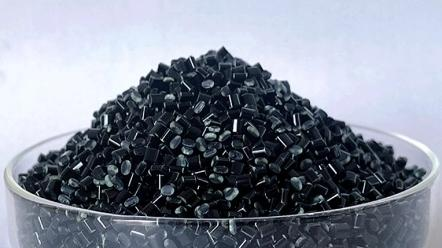
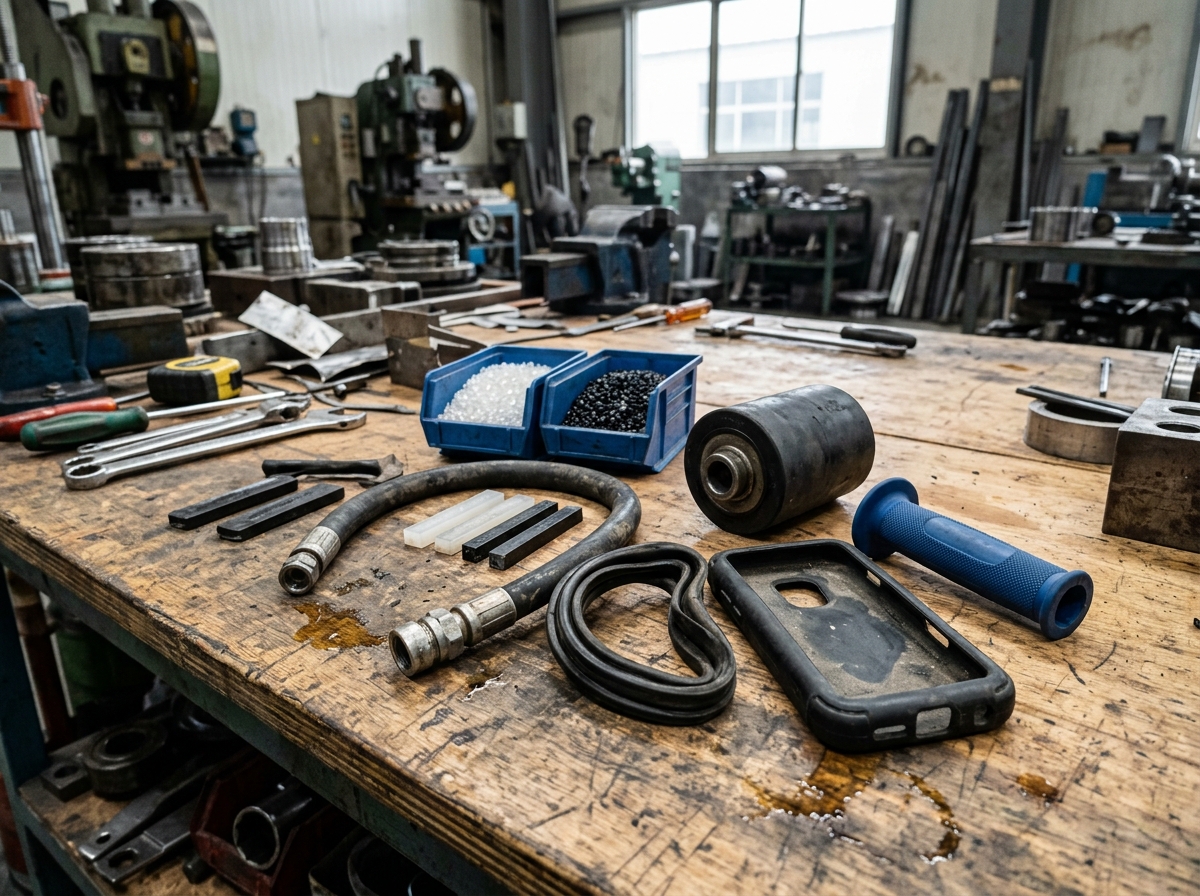
Modified-plastics material portfolio
Figure: Modified-plastics material portfolio
For more information, visit the LSMChem Products page. Specific grades and technical documents should be confirmed against the project brief, sample testing, and formal technical documentation.
2. Product Families and Typical High-End Injection-Molding Applications
|
Product family |
Publicly described modification routes |
Typical application directions |
|
PP |
Flame retardant, reinforced, glass-fiber/filler modified, flame-retardant reinforced, heat-resistant, aging-resistant, toughened, transparent and high-stiffness grades |
Appliance and power-tool components, automotive modules, fan and pump housings, battery trays, air-filter housings, bumpers, and interior/exterior parts |
|
ABS, HIPS & AS |
Flame retardant, reinforced, heat-resistant, electroplatable, matte and anti-yellowing options |
Electrical housings, printer parts, automotive grilles, badges, lock housings, speaker covers, mirror frames, vents, and other automotive trim |
|
PC & Alloys |
Flame retardant, reinforced, transparent-colored, flame-retardant PC/ABS alloys, plus heat-resistant, matte and electroplatable modifications |
Automotive lenses, transparent parts, power tools, electronic instruments, mobile/computer/copier housings, lamp bodies and instrument-panel parts |
|
PA |
Flame-retardant PA6/PA66, glass-fiber reinforced, flame-retardant reinforced, reinforced-filled, low-temperature impact grades |
Sockets, switches, connectors, coil bobbins, mechanical parts, gears, bushings, radiator grilles, engine and cooling-system components |
|
PBT |
Reinforced, flame-retardant, and flame-retardant reinforced, including environmentally oriented options |
Electrical parts, gears, bearings, valve seats, automotive components, and energy-saving lamp bases |
|
Cap-specific materials |
PP and PE cap materials addressing impact, stiffness, processability, slip, stress-whitening resistance, environmental stress-cracking resistance, and taste-related requirements |
Caps for carbonated beverages, mineral water, and juice drinks |
|
Functional masterbatches |
Processing-temperature reduction, PP/ABS flame retardant, antistatic, and slip masterbatches |
Spinning, injection molding, BOPP, and functional plastic products |
|
PP meltblown |
High-MFR PP meltblown materials; publicly listed grades include P1200Y, P1500Y and P1800Y |
Air filtration, battery separators, medical-hygiene products, and daily-use products |
The product families and application directions above are summarized from public product pages.1 2 3 4 5 6 7 8 9 10
3. Practical Value for Injection Molders: Stable Processing, Controlled Appearance and Customization

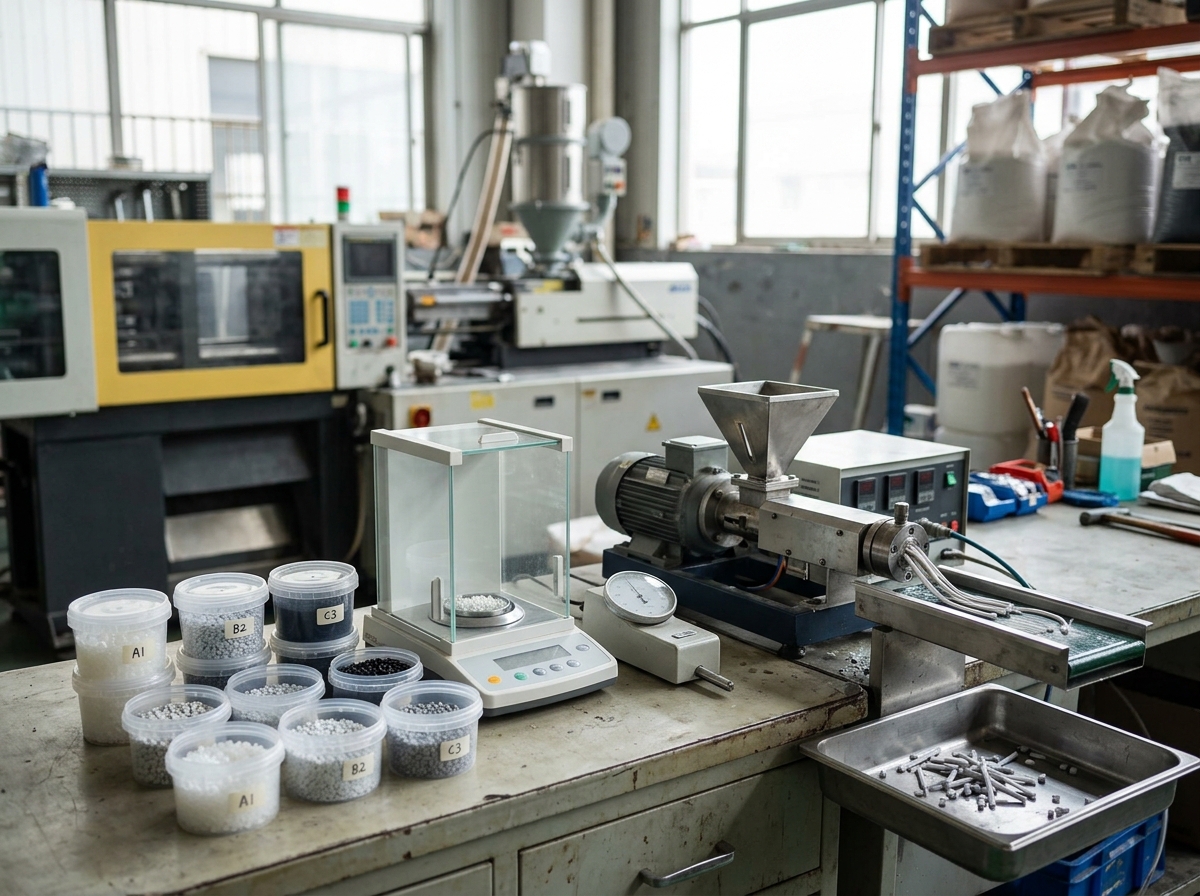
High-end injection-molding production
Figure: High-end injection-molding production
For automotive trim, electrical housings, tool components, and precision functional parts, material performance must translate into a stable injection process. Flame-retardant systems require a balance among flow, demolding, warpage, and surface migration. Glass-fiber-reinforced systems require control of orientation, weld lines, differential shrinkage, and dimensional stability. High-gloss, transparent, or electroplatable grades require coordinated control of color variation, flow marks, silver streaks, and surface cleanliness. LSMChem’s role is not limited to supplying a generic resin. We support grade screening around the customer’s mold design, equipment, wall thickness, cycle time, appearance standard, and end-use requirements, using sampling, testing, and batch management to reduce introduction risk.
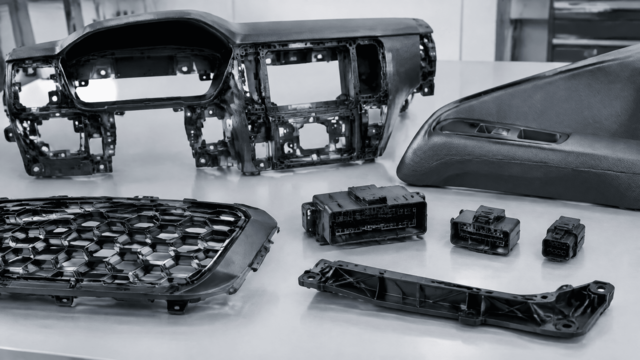
Automotive injection-molded components
Figure: Automotive injection-molded components
LSMChem supplies products under its own brand and organizes production, quality management, and technical service through a qualified manufacturing partner network. This approach clearly distinguishes brand responsibility, supply organization, and the actual manufacturing entity, supporting transparent and traceable commercial communication. For projects involving UL, FDA, or food-contact requirements, LSMChem can provide relevant documentation or compliance support for specific grades; certifications should not be generalized across the entire portfolio.1
To review the broader portfolio, visit the LSMChem website. For grades, samples, or customized solutions, submit an inquiry through Contact LSMChem.
4. Supply Strategy for Distributors and Downstream Factories
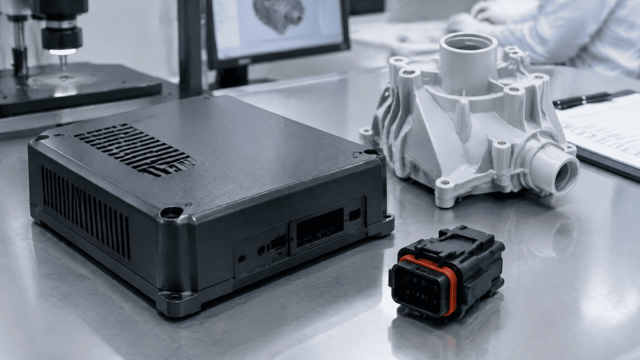
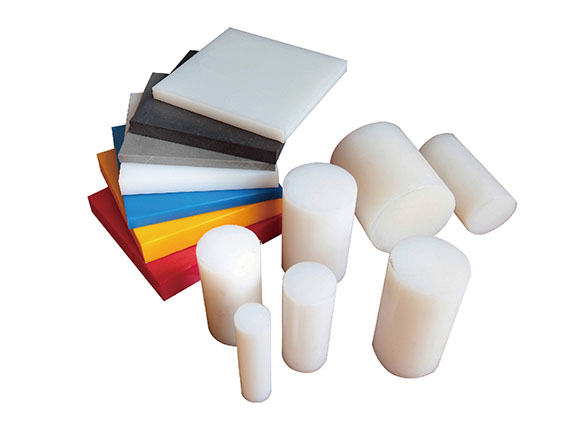
Electrical and electronics injection-molded components
Figure: Electrical and electronics injection-molded components
In a market shaped by changing raw-material costs, delivery schedules, and customer-validation requirements, distributors and injection molders increasingly prioritize supply continuity, batch consistency, and technical response. Through a multi-family portfolio, project-based grade selection, and customized communication, LSMChem connects standard modification with high-performance injection applications. For PP, ABS/PC alloys, PA, and PBT, purchasing recommendations should be confirmed against target properties, equipment and mold conditions, annual volume, packaging requirements, and regulatory documentation. For cap materials and meltblown grades, food-contact or hygiene use, processing route, and project-specific testing requirements should be verified separately.
Conclusion: Stable Material Supply for More Efficient Injection-Molding Development

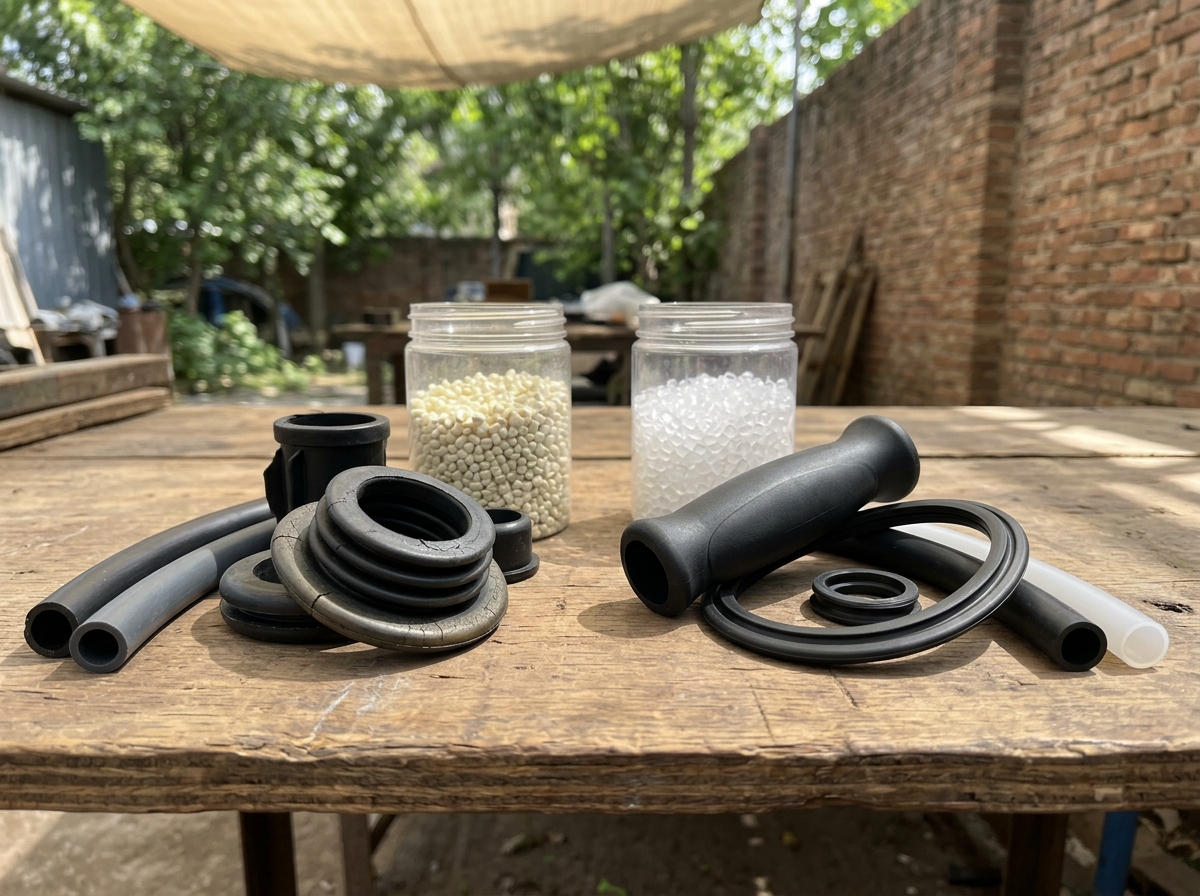
Quality control and customization support
Figure: Quality control and customization support
LSMChem provides own-brand solutions covering modified commodity and engineering plastics, functional materials, cap-specific grades, and PP meltblown materials for high-end injection molders and distribution partners. Our value proposition is built on supply stability, quality management, application focus, and customization. From initial screening and sample testing to regular delivery, we help customers translate material selection into an executable production solution. Visit www.lsmchem.com to discuss your application, grade, and supply requirements.
Contact
|
Item |
Information |
|
Website |
|
|
Products |
|
|
Contact |
|
|
Author |
Eric Deng, Sales Manager |
|
|
+8617506547547 |
Copyright: © 2026 NINGBO LOSMAN TRADING CO., LTD. All rights reserved.
Frequently Asked Questions (FAQ)
Q1. What injection-molding applications are primarily served by LSMChem’s modified plastics?
The portfolio is positioned for automotive interior and exterior parts, appliances and power-tool components, electrical and electronic housings, mechanical functional parts, caps, and selected medical-hygiene material applications. Suitability for a specific end use should be confirmed against the grade, regulatory requirements, mold, and processing conditions.
Q2. How should customers choose among PP, ABS, PC/ABS, PA, and PBT?
Selection should consider heat resistance, flame retardancy, stiffness, impact performance, chemical resistance, appearance, dimensional stability, processing temperature, and cost targets together. LSMChem can help build a candidate-grade list based on the part design and process, followed by sample testing.
Q3. Does LSMChem support customer customization?
Yes. Customization can address flame-retardant level, reinforcement or filler content, hardness and stiffness, heat resistance, low-temperature impact, appearance, antistatic performance, processing flow, and packaging. Feasibility should be evaluated against the base resin, target properties, annual volume, and validation requirements.
Q4. Can cap materials and meltblown grades be used directly for food or medical applications?
No conclusion should be made from the product family alone. Food-contact, taste-related, or medical-hygiene use must be verified through grade-specific compliance documents, test results, and the customer’s applicable regulations. LSMChem can support document review and supply coordination for the project.
Q5. How can customers request samples, TDS documents, or quotations?
Submit the application, target properties, estimated volume, processing route, and destination through the LSMChem Contact page. We will then match the relevant product family and confirm technical documents, samples, and commercial terms.
References
Note: Product-family, performance, and application descriptions are based on publicly available web information. Actual grade availability, specifications, certifications, test values, and applicability should be confirmed through LSMChem’s formal technical documentation, sample testing, and commercial confirmation.