





0102030405
PBT Resin vs PA66: Key Performance and Application Differences
2026-09-11
PBT Resin vs PA66: Key Performance and Application Differences
For manufacturers developing automotive components, electrical connectors, appliances, industrial parts or precision-molded products, the choice between PBT Resin and PA66 is rarely a simple question of which material is “stronger.” Both are established engineering plastics with broad commercial use, but they respond differently to moisture, heat, mechanical loading, chemicals, electrical requirements and processing conditions.
The most reliable approach to PBT vs PA66 selection is to begin with the service environment and part requirements. A connector that must retain tight dimensions in humid conditions may favor PBT. A structural bracket, gear or wear component exposed to repeated mechanical loads may favor PA66. Reinforcement, flame retardants, impact modifiers, stabilizers, colorants and processing conditions can further change the performance of either material.
This guide from Ningbo Losman Trading Co., Ltd.(Lsmchem) provides a practical framework for engineers, purchasers and product developers. Lsmchem is a specialty polymer supplier whose portfolio includes thermoplastic elastomers, engineering plastics, masterbatch and other polymer materials, with a focus on coordinated supply, product quality and technical service.
What Is PBT Resin?
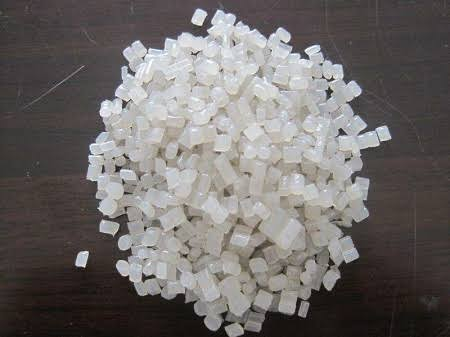
PBT Resin, or polybutylene terephthalate, is a semi-crystalline thermoplastic polyester used as an engineering plastic. It is recognized for low moisture absorption, good dimensional stability, useful electrical insulation, chemical resistance and efficient injection molding behavior. PBT crystallizes relatively quickly, which can support shorter molding cycles when the grade, mold design and process parameters are properly matched.
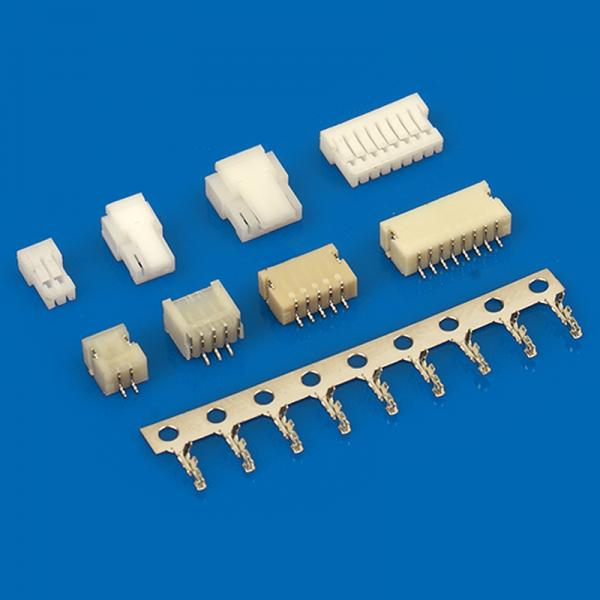
PBT is commonly used in electrical connectors, terminal blocks, switches, sensor housings, appliance components, pump parts, gears, covers and other precision-molded products. Glass-fiber reinforcement can substantially increase tensile, flexural and compressive strength and modulus, while flame-retardant grades can be developed for electrical and electronic applications requiring a defined flammability performance.
However, PBT is not universally superior. Hydrolysis resistance, especially in hot and wet environments, must be evaluated carefully. Strong bases and certain aggressive chemical conditions can also limit its suitability. Reinforced grades may show anisotropic shrinkage or warpage if the part design and molding process are not optimized.
What Is PA66?
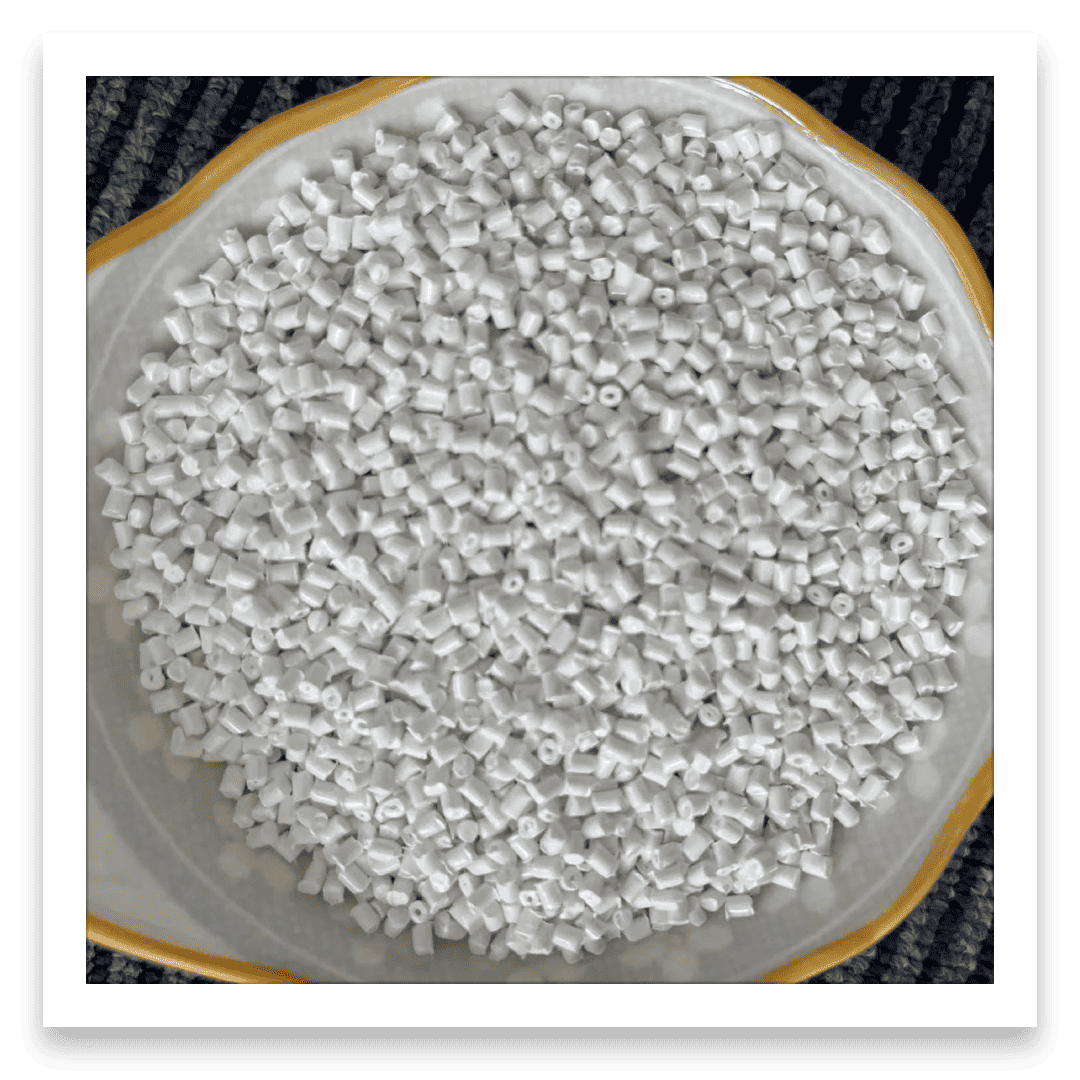
PA66, also known as polyamide 66 or nylon 66, is a semi-crystalline engineering thermoplastic known for high mechanical strength, stiffness, toughness, fatigue resistance and wear performance. It is widely used for automotive brackets, gears, bearings, housings, structural components and industrial parts that experience repeated loads or friction.
PA66 can be reinforced with glass fiber, mineral fillers or other modifiers to improve stiffness, strength, dimensional stability and heat performance. Its mechanical capability makes it a strong candidate for load-bearing parts and applications that may otherwise require metal. Nevertheless, unfilled and reinforced PA66 absorb more moisture than PBT. Moisture can change dimensions and influence modulus, strength, toughness and processing behavior, so conditioning and environmental exposure must be included in the design assessment.
PA66 also requires careful control of drying and molding conditions. Inadequately dried nylon can produce processing defects and inconsistent properties. For high-temperature, high-humidity or chemically demanding applications, the selected PA66 grade should be evaluated with long-term aging data rather than only a short-term datasheet value.
PBT vs PA66: Key Performance Comparison
The following table summarizes common tendencies for unfilled and reinforced grades. It should not be used as a substitute for grade-specific data.
|
Performance factor |
PBT Resin |
PA66 |
Practical implication |
|
Moisture absorption |
Generally low |
Generally higher |
PBT often maintains dimensions and electrical properties more consistently in humid conditions. |
|
Dimensional stability |
Very good, especially where humidity changes are significant |
Can change with moisture; reinforcement may improve stability |
PBT can be advantageous for precision fits, connector interfaces and tight tolerances. |
|
Tensile and structural strength |
Good; greatly enhanced by glass fiber |
High, especially in reinforced grades |
PA66 is often preferred for load-bearing and structural parts. |
|
Impact and toughness |
Moderate in many standard grades; impact-modified grades are available |
Good balance of toughness and fatigue resistance |
PA66 may suit repeated impact or cyclic loading, subject to grade and temperature. |
|
Electrical insulation |
Good and comparatively stable in humid service |
Can be affected by moisture uptake |
PBT is frequently considered for connectors, terminal blocks and sensor housings. |
|
Heat performance |
Good; depends strongly on grade and aging environment |
Good to very high in reinforced grades |
Compare continuous-use temperature, heat aging and load retention, not only melting point. |
|
Chemical resistance |
Good against many oils, fuels, solvents and diluted chemicals; check strong bases and hot water |
Good general resistance, but compatibility depends on chemical, temperature and stress |
Test the exact chemical exposure, concentration and duration. |
|
Wear and friction |
Good in suitable compounded grades |
Often excellent, especially in wear-modified grades |
PA66 may be favored for gears, bearings and sliding components. |
|
Processing |
Fast crystallization and efficient molding are common advantages |
Requires moisture control and thorough drying |
PBT may offer a simpler moisture-management window, but both need validated processing. |
|
Density and weight |
Typically higher than unfilled PA66 |
Typically lower than unfilled PBT |
Part geometry and reinforcement level determine the real weight difference. |
Moisture Absorption and Dimensional Stability
One of the clearest differences in PBT Resin vs PA66 is moisture behavior. PBT generally absorbs much less water than PA66. As a result, PBT parts can provide more predictable dimensions and electrical performance when exposed to humidity or changing atmospheric conditions. This is particularly relevant for connector housings, terminal blocks, switches, sensor components and precision interfaces.
PA66 absorbs more moisture because of the chemical structure of the polyamide. The absorbed water can act as a plasticizer: it may reduce stiffness and strength while increasing toughness. That behavior is not automatically a disadvantage, but it must be included in design calculations and qualification testing. Glass fiber or mineral reinforcement can improve dimensional stability, but it does not eliminate the need to assess moisture conditioning, weld lines, anisotropy and shrinkage.
Mechanical Strength, Toughness and Wear
When the part must carry a sustained load, resist impact or survive repeated cycles, PA66 is often a strong starting point. Reinforced PA66 grades can deliver high stiffness and strength, and their fatigue and wear performance can be valuable in gears, brackets, bushings, bearings and under-hood automotive parts.
PBT also provides a useful balance of stiffness, strength and processability. Glass-fiber-reinforced PBT Engineering Plastic can achieve a significant increase in mechanical strength and modulus compared with unreinforced resin. PBT may therefore be a strong candidate when mechanical performance must be combined with low moisture uptake, good surface quality or electrical insulation.
The correct comparison is not “unfilled PBT versus the strongest PA66 grade.” Engineers should compare equivalent formulations, such as PBT GF30 against PA66 GF30, while reviewing tensile strength, flexural modulus, impact strength, creep, fatigue, weld-line performance and heat aging at the same test conditions.
Heat, Hydrolysis and Chemical Resistance
Both materials can be engineered for elevated-temperature service, but they have different risk profiles. PA66 is often selected for high mechanical load retention and heat resistance, particularly in reinforced grades. PBT offers good heat resistance and chemical resistance in many common environments, but hot water and hydrolysis can be critical concerns for some PBT formulations.
Chemical compatibility depends on the complete exposure scenario. The relevant variables include chemical identity, concentration, temperature, exposure time, mechanical stress and the presence of molded-in stress. Oils, fuels, alcohols, diluted acids and other chemicals may be tolerated differently by different grades. A material decision based only on a generic “chemical resistance” label can create avoidable field failures.
Electrical and Electronic Applications
For electrical and electronic components, low moisture absorption and dimensional stability are major selection factors. PBT is frequently used for connectors, terminal blocks, switches and sensor housings because it can maintain fit and insulation performance more consistently in humid conditions. Flame-retardant PBT grades may also be considered when the product specification requires a particular flammability classification.
PA66 remains attractive when the electrical part also has to carry a substantial mechanical load, withstand repeated assembly forces or tolerate impact. However, moisture conditioning, dielectric performance and tracking behavior should be evaluated under the actual environmental conditions. The best material is the one that meets the complete electrical, mechanical, thermal and regulatory specification, not simply the one with the highest nominal strength
Processing and Part Design Considerations
PBT’s relatively rapid crystallization can support efficient injection molding and shorter cycle times. It is still important to control melt temperature, mold temperature, residence time, drying and gate design. Glass-fiber orientation, weld lines, shrinkage and warpage should be reviewed during mold-flow and prototype validation.
PA66 is highly processable when the resin is correctly dried and the molding window is controlled. Moisture management is essential from storage through molding. Designers should also account for fiber orientation, differential shrinkage, post-mold conditioning and dimensional changes over the expected service life.
For both materials, grade selection should consider flame retardancy, UV stabilization, hydrolysis stabilization, impact modification, lubrication, color and recycled content. Processing conditions must follow the selected supplier’s technical documentation rather than a generic material rule.
Which Material Should You Choose?
Choose PBT Resin when the application places high priority on low moisture absorption, dimensional accuracy, electrical insulation, stable appearance and efficient molding. Typical examples include connector components, terminal blocks, sensor housings, switches and appliance parts where humidity-related dimensional change could affect assembly or electrical reliability.
Choose PA66 when the application requires high mechanical strength, toughness, fatigue resistance, wear performance or load-bearing capability. Typical examples include automotive brackets, gears, bearings, structural housings and industrial components exposed to repeated stress.
Consider a detailed grade comparison when the application combines requirements. For example, an automotive electrical component may need PBT’s dimensional stability and insulation together with glass-fiber reinforcement. A mechanical component may need PA66’s strength but also require improved moisture stability, heat aging or flame retardancy. In these cases, the correct answer may be a specially compounded grade rather than a base resin.
A Practical Material-Selection Checklist
Before approving PBT or PA66, the engineering team should document the following conditions:
- Maximum and continuous operating temperature, including heat aging.
- Humidity, water immersion, steam or hot-water exposure.
- Static load, impact, cyclic load, creep and fatigue requirements.
- Contact with oils, fuels, cleaners, acids, bases or other chemicals.
- Dimensional tolerances, shrinkage limits and assembly fit.
- Electrical insulation, dielectric, tracking and flammability requirements.
- UV, weathering, hydrolysis and chemical-aging requirements.
- Molding equipment, drying capability, cycle-time target and part geometry.
- Regulatory, recycled-content, color and supply-chain requirements.
- Validation testing using production-intent material, tooling and process conditions.
Conclusion
The central lesson in PBT vs PA66 is that material selection should be driven by the complete application rather than a single headline property. PBT Engineering Plastic is often advantageous for low moisture uptake, dimensional stability, electrical insulation and precision molding. PA66 is often advantageous for mechanical strength, toughness, fatigue resistance and wear performance.
Neither material is universally better. The best choice depends on the actual grade, reinforcement package, processing conditions and service environment. By comparing equivalent formulations and validating them under real humidity, temperature, chemical and mechanical conditions, manufacturers can reduce design risk and select a more reliable engineering plastic solution.
Ningbo Losman Trading Co., Ltd. supports customers seeking polymer materials for manufacturing applications. For a product recommendation, please provide the target application, annual volume, processing method, required certifications, operating environment and key performance specifications so that the appropriate material grade can be evaluated.
FAQs
1. Is PBT stronger than PA66?
In general, PA66 offers higher mechanical strength and toughness, especially in reinforced grades. PBT can provide sufficient strength for many applications and may offer a better balance when moisture resistance, dimensional stability and electrical insulation are more important.
2. Is PBT more dimensionally stable than PA66?
Usually, yes, particularly in humid environments, because PBT absorbs less moisture. Reinforced PA66 can also achieve good dimensional stability, but moisture conditioning and grade-specific data must be considered.
3. Can PBT replace PA66?
PBT can replace PA66 in selected applications, especially electrical housings, connectors, switches and precision parts. It should not be treated as a universal replacement for load-bearing or high-wear components without application testing.
4. Which is better for electrical connectors, PBT or PA66?
PBT is often preferred when moisture resistance, stable dimensions and insulation are critical. PA66 may be appropriate when the connector or housing also requires higher mechanical toughness or load-bearing performance. The final decision should use the complete product specification.
© 2026 NINGBO LOSMAN TRADING CO., LTD. All Rights Reserved.