



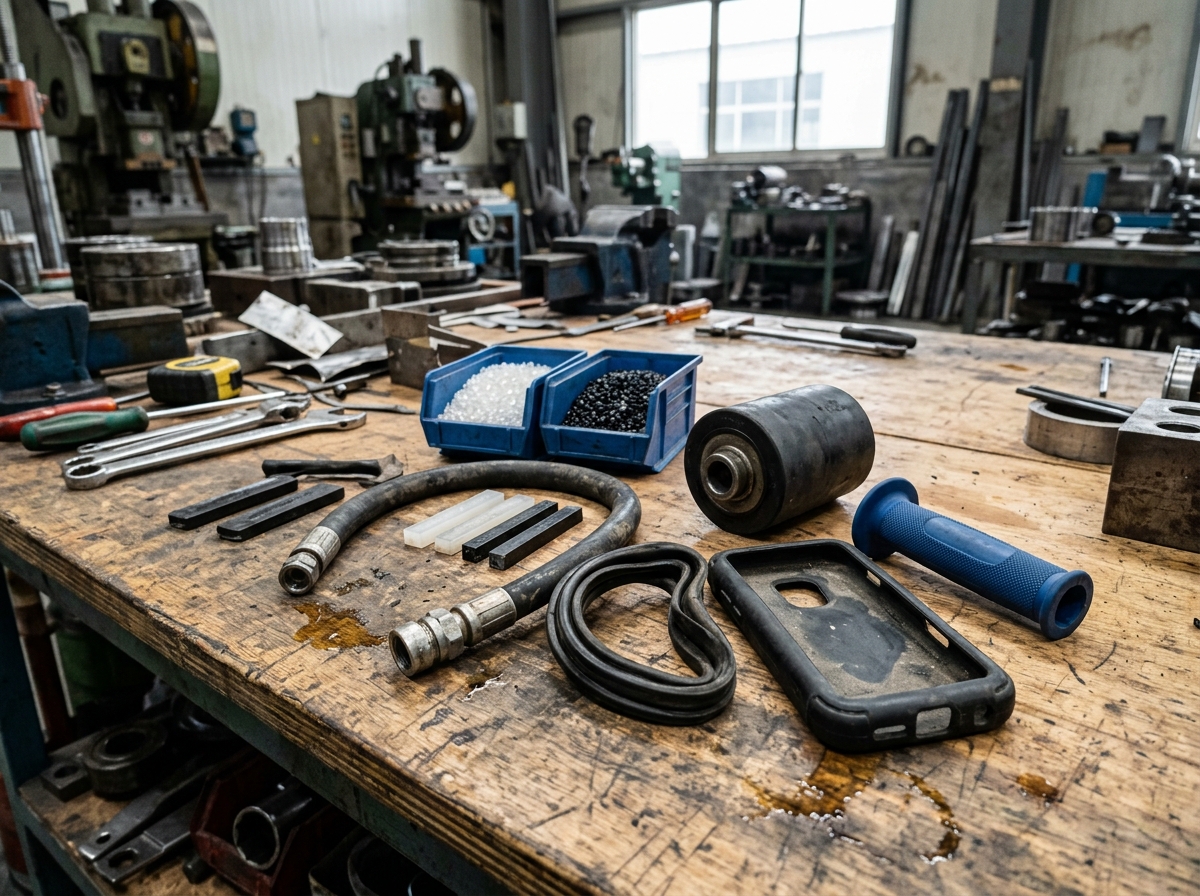
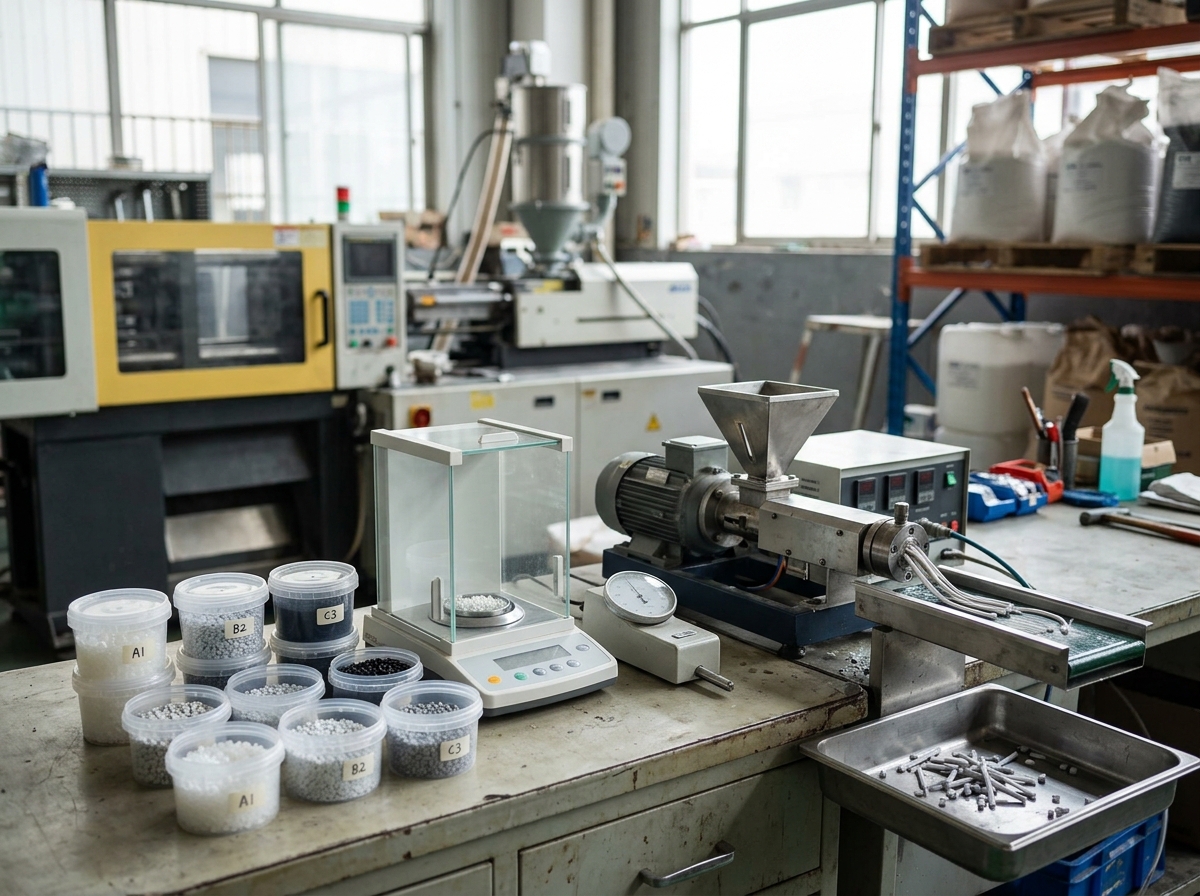
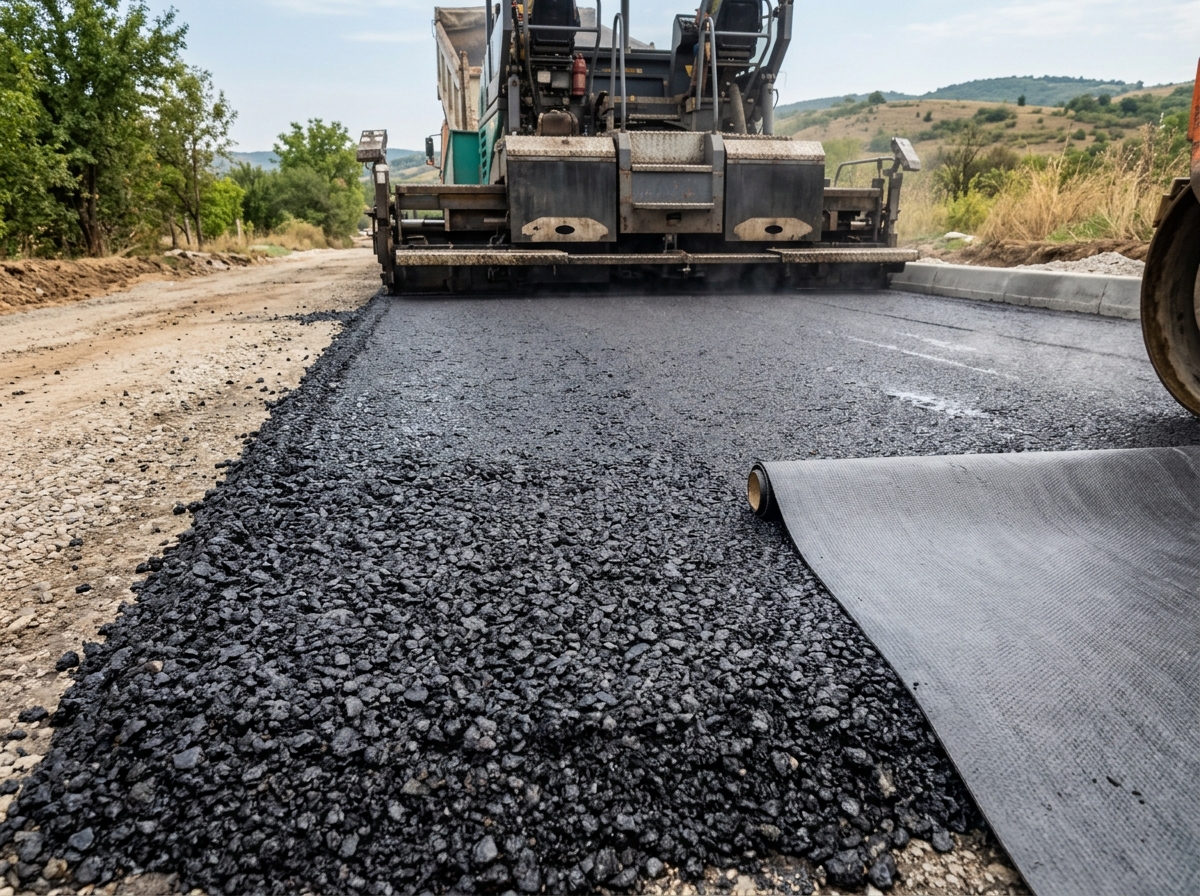
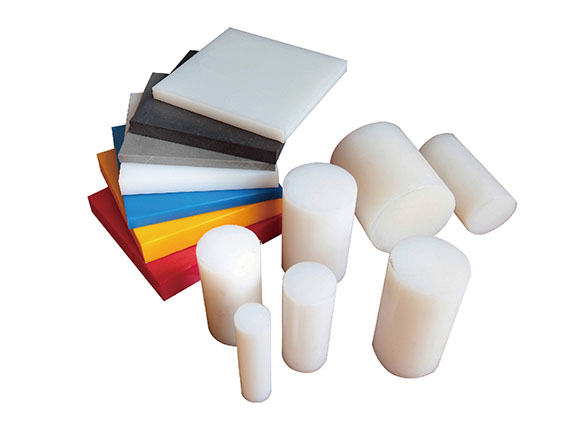
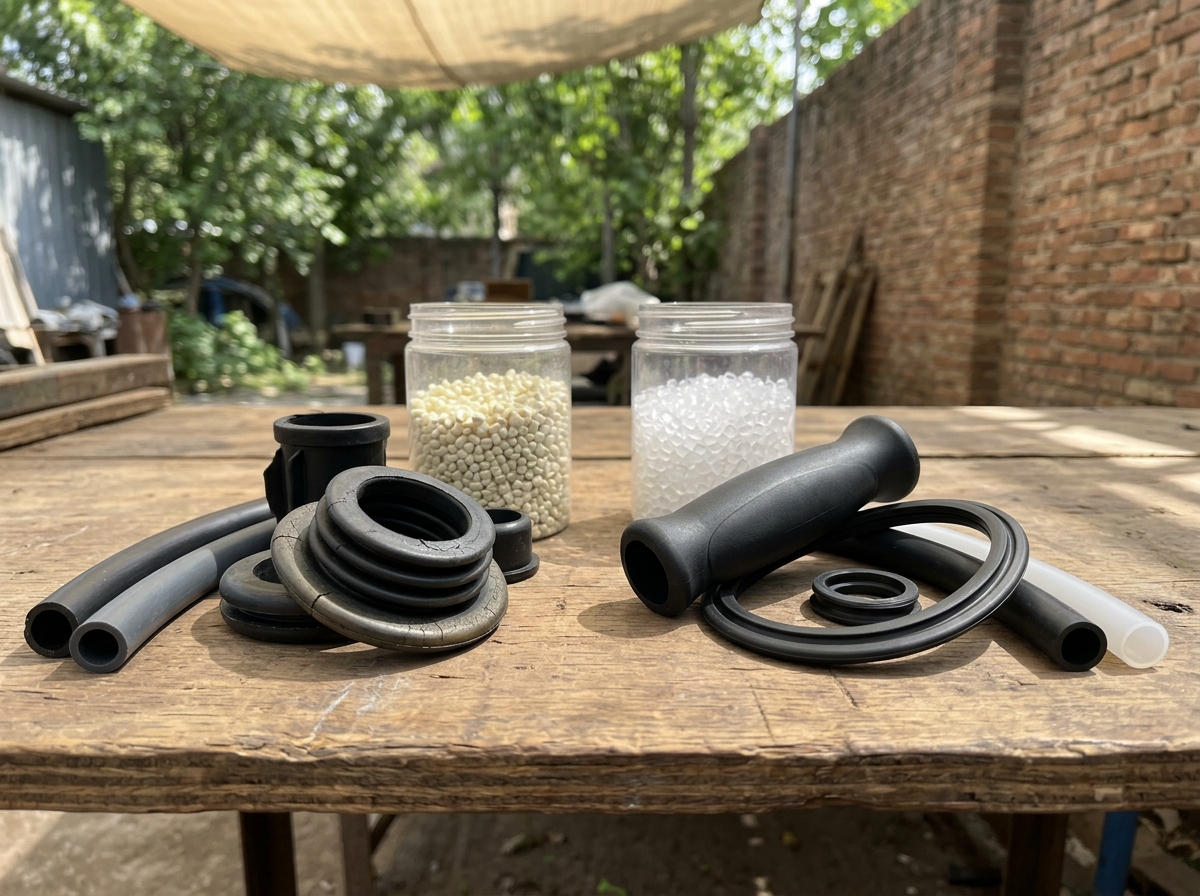
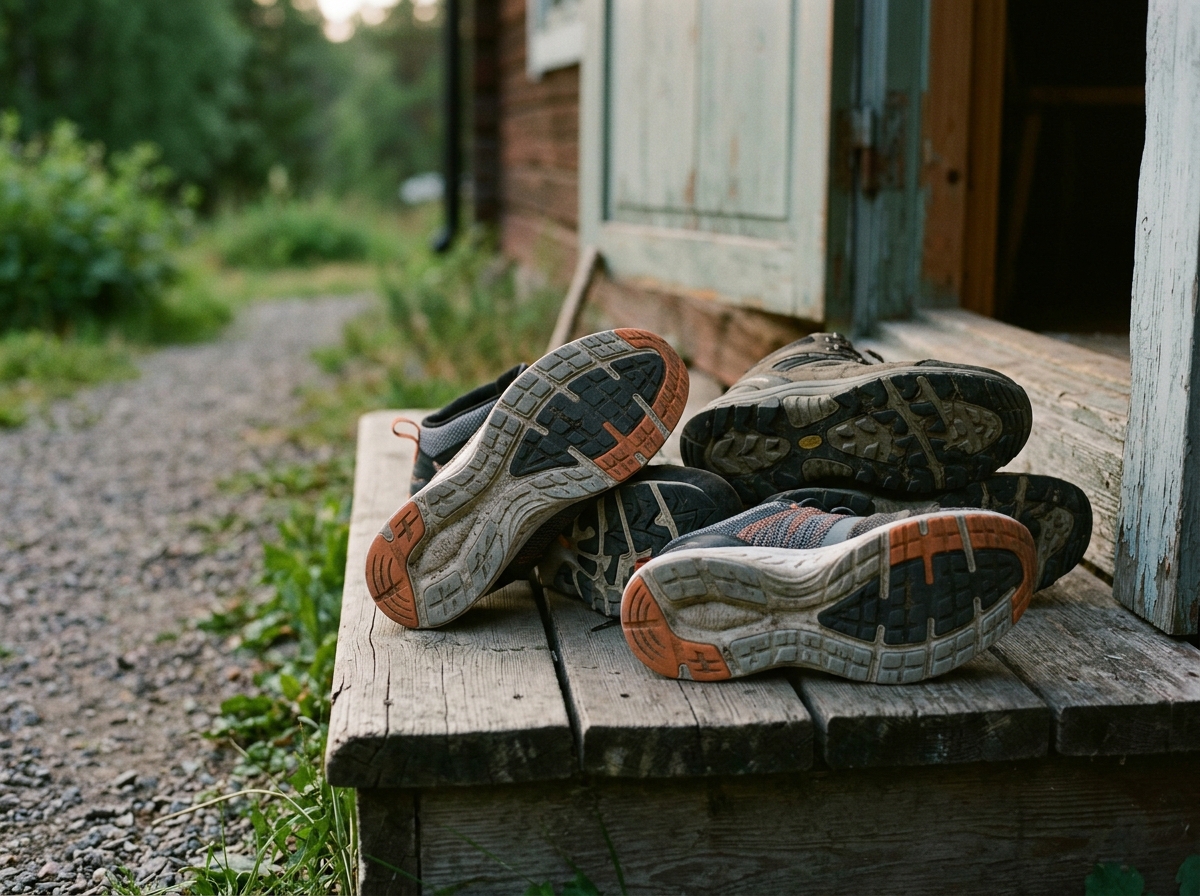
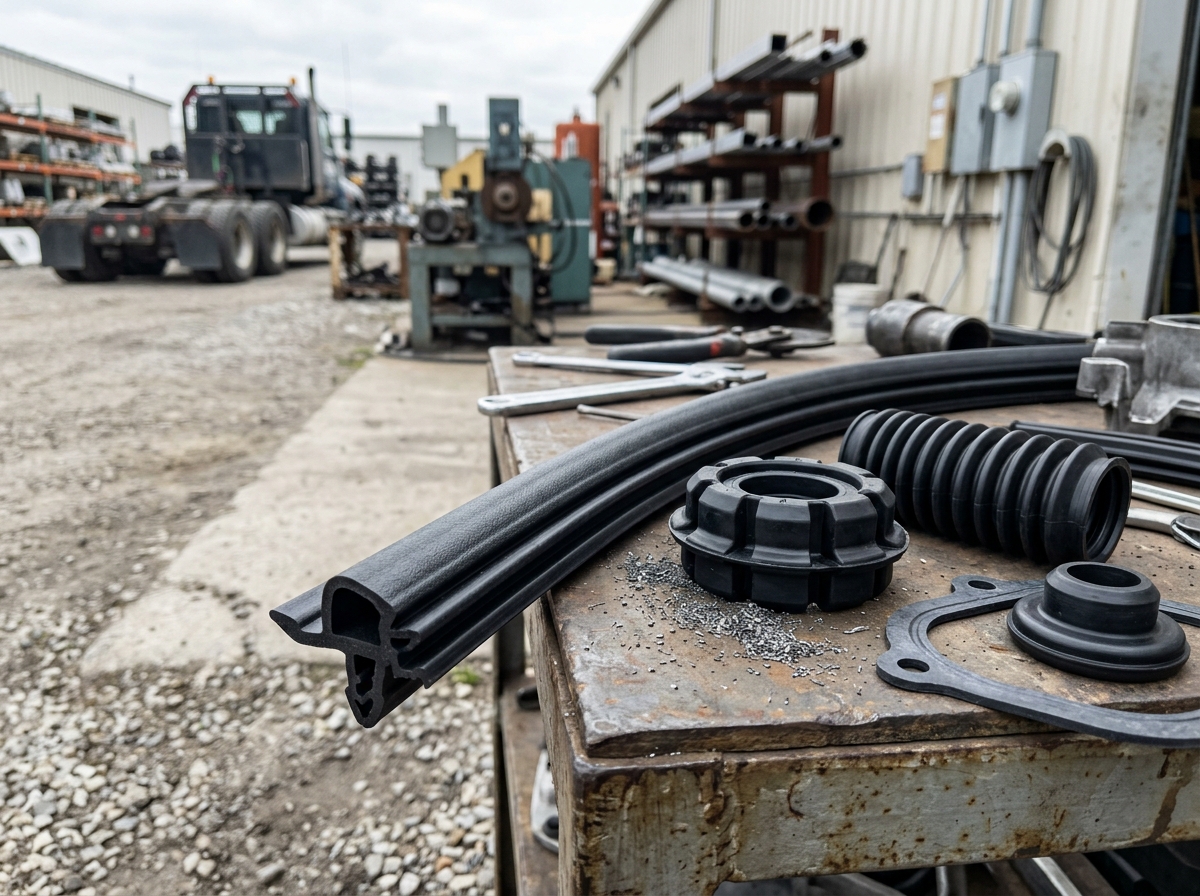

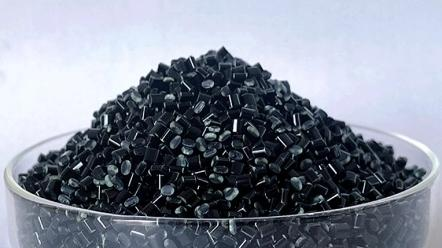
SEBS material and SBS material are both styrene-based block copolymers, but they behave differently in real production. SBS is easier to process and often offers strong initial elasticity, making it common in asphalt modification, adhesives, and footwear compounds. SEBS is hydrogenated, so it generally delivers better weather resistance, heat stability, and aging resistance, which makes it a stronger fit for outdoor parts, premium soft-touch products, and applications exposed to UV, ozone, or long service life requirements. In short: choose SBS when cost, tack, and fast processing matter; choose SEBS when durability, weather resistance, and product stability matter more.
- SBS material is a cost-effective styrenic elastomer for adhesives, modified asphalt, and general-purpose flexible products.
- SEBS material is the hydrogenated version, with better weather resistance, oxidation resistance, and long-term stability.
- For outdoor or heat-exposed use, SEBS is usually the safer choice; for tacky or budget-sensitive formulations, SBS often wins.
- Selection should be based on hardness, compatibility, process window, and end-use exposure, not only on price.
- In B2B sourcing, consistency, batch stability, and formulation support can matter as much as raw material properties.
SEBS material and SBS material are often compared because both belong to the styrenic thermoplastic elastomer family, but their performance diverges after hydrogenation. The practical difference is important for buyers who need weather resistance, low-temperature flexibility, and predictable processing. For context, testing of thermoplastic elastomers often references standards such as ISO 37 for tensile properties and ASTM D412 for rubber tension tests, while weathering performance is commonly evaluated with ASTM G154. These standards matter because the right material choice is not just about feel; it is about measurable durability, stability, and consistency over time.
SEBS Material vs SBS Material: The Core Difference in Weather Resistance and Stability
The core difference is that SEBS material is hydrogenated, while SBS material is not.
That single structural change improves resistance to heat, UV exposure, ozone, and long-term oxidation, which is why SEBS is usually preferred for products that must keep their appearance and flexibility outdoors or in demanding environments.
SBS material, by contrast, has stronger unsaturated double bonds in the rubber segment, which makes it more vulnerable to aging but often easier to formulate into adhesives, asphalt modification systems, and products where tack and cost efficiency are priorities.
For buyers, the decision often comes down to service life versus economics.
If a part is expected to be used indoors, in short-cycle manufacturing, or in formulations where tack and fast set are valuable, SBS can be a practical solution.
If the part will face sunlight, temperature swings, or repeated environmental stress, SEBS material usually provides better long-term performance.
| Property | SBS Material | SEBS Material | Buyer Impact |
|---|---|---|---|
| Polymer structure | Unsaturated styrene-butadiene-styrene block copolymer | Hydrogenated styrene-ethylene-butylene-styrene block copolymer | SEBS is more stable under aging stress |
| Weather resistance | Moderate | High | SEBS is better for outdoor use |
| Heat resistance | Lower to moderate | Higher | SEBS keeps properties longer at elevated temperature |
| Typical strengths | Tack, cost efficiency, easy formulation | Stability, soft touch, durability | Application dependent |
How SEBS Material and SBS Material Behave in Real Applications
Application fit is the most reliable way to understand SEBS material versus SBS material.
In modified asphalt and waterproofing systems, SBS has long been widely used because it improves elasticity and low-temperature crack resistance while keeping formulation cost manageable.
In premium soft-touch consumer products, outdoor grips, medical-grade flexible parts, and automotive interiors, SEBS is more attractive because it maintains feel and appearance longer under environmental stress.
That difference matters in procurement because the cheaper polymer can become the more expensive choice if the final product fails early.
For many B2B buyers, the practical question is not which polymer is “better,” but which one delivers the lowest total cost of ownership.
- Choose SBS when the application needs good elasticity, strong formulation economy, or adhesive tack.
- Choose SEBS when the application needs UV stability, odor control, soft-touch quality, or better aging resistance.
- Use formulation trials when fillers, oils, and resins are part of the system, because compatibility can shift final hardness and processing behavior.
If you are comparing related elastomer families, it may also help to review the broader material portfolio on TPE materials and the company overview on About us for sourcing context.
Why Weather Resistance Is the Deciding Factor for SEBS Material
Weather resistance is the most important performance gap between SEBS material and SBS material.
Hydrogenation reduces the number of reactive double bonds in the polymer backbone, which lowers susceptibility to UV-driven degradation and oxidation.
In practice, this means SEBS typically retains color, flexibility, and surface quality better than SBS when exposed to outdoor conditions or elevated temperature aging.
For products that must survive seasonal temperature swings, road splash, ozone exposure, or direct sunlight, this can be the difference between a durable product and a warranty issue.
Weathering tests often use accelerated methods such as ASTM G154, which exposes materials to fluorescent UV and condensation cycles to simulate environmental aging.
That kind of testing is useful because it helps buyers compare formulations before committing to mass production.
| Use Case | Preferred Material | Reason | Risk if Wrong Material Is Chosen |
|---|---|---|---|
| Outdoor soft-touch components | SEBS | Better UV and ozone resistance | Cracking, fading, embrittlement |
| Adhesive and sealant systems | SBS | Good tack and cost efficiency | Higher raw material cost if over-specified |
| Premium consumer grips | SEBS | Stable feel and appearance | Surface aging and odor issues |
| Modified asphalt | SBS | Strong elasticity and economical formulation | Unnecessary cost if SEBS is used without need |
Technical Properties Buyers Should Compare Before Choosing SEBS Material or SBS Material
Hardness, tensile behavior, melt processing, and compatibility matter more than the material name alone.
SEBS material and SBS material are both adjustable through oil loading, filler selection, and compounding design, so the final property window depends heavily on formulation.
Still, buyers should ask for the same test data every time: hardness, tensile strength, elongation, compression set, heat aging, and weathering performance.
For rubber-like products, tensile testing under ISO 37 or ASTM D412 gives a consistent way to compare strength and elongation.
When suppliers quote only “soft,” “elastic,” or “high quality,” that is not enough for engineering selection.
| Evaluation Item | What to Ask For | Why It Matters |
|---|---|---|
| Hardness | Shore A value and tolerance range | Determines touch feel and sealing performance |
| Tensile strength | Test method and failure mode | Shows load-bearing capability |
| Elongation at break | Percentage under defined test conditions | Indicates stretchability and recovery margin |
| Weather aging | UV, ozone, and heat aging results | Predicts outdoor durability |
| Processing window | Extrusion or injection range | Impacts yield and line stability |
In industrial sourcing, data without test conditions can be misleading.
A tensile value only has meaning when you know the specimen geometry, test speed, temperature, and standard used.
That is why many professional buyers prefer suppliers who can provide a technical data sheet plus test method references, not just a sales brochure.
SEBS Material vs SBS Material in Cost, Processing, and Supply Chain Risk
Cost is one of the biggest reasons SBS remains widely used.
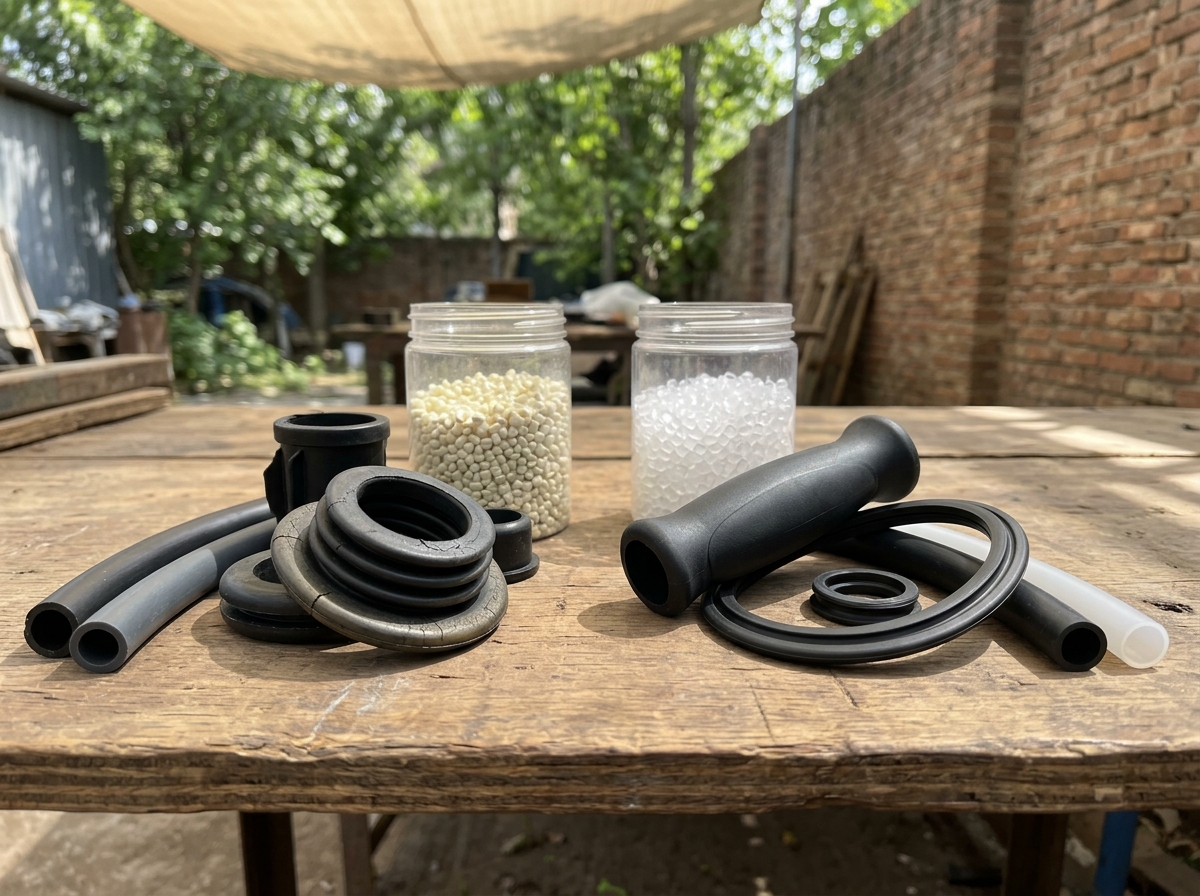
SBS material usually offers a lower entry price and can be attractive in high-volume applications where the product does not need long outdoor life.
SEBS material often costs more because hydrogenation adds processing complexity and improves performance, but the added durability can reduce field failure risk.
For procurement teams, this creates a familiar tradeoff: lower unit cost versus lower lifecycle risk.
In a stable indoor product, SBS may be the better commercial decision.
In a premium product with a higher warranty exposure or brand-sensitive appearance, SEBS can be the more economical choice over the full product life.
- Check batch-to-batch consistency before scaling up.
- Confirm whether the compound uses mineral oil, white oil, or specialty plasticizers.
- Ask about odor, migration, and long-term discoloration if the final product is consumer-facing.
- Request UV aging and heat aging data if the product is exposed to sunlight or thermal cycles.
If your application sits between general-purpose and premium performance, you may want to compare the broader polymer options on TPO materials and TPU materials to avoid over-engineering the design.
How to Select Between SEBS Material and SBS Material for Your Product
The right selection starts with the end-use environment, not the resin name.
A simple selection process can prevent many formulation mistakes.
- Define exposure conditions: indoor, outdoor, UV, ozone, heat, oils, or chemicals.
- Set the performance target: hardness, rebound, soft touch, adhesion, or long-term stability.
- Match processing route: injection molding, extrusion, compounding, or hot-melt formulation.
- Review compatibility with fillers, resins, and oils before pilot production.
- Run accelerated aging and functional testing before mass production.
For footwear, SEBS can improve comfort consistency and color stability in premium lines, while SBS can work well in cost-sensitive components.
For waterproofing membranes and asphalt modification, SBS is often selected because elasticity and cost efficiency are central requirements.
For soft-touch grips, consumer accessories, and outdoor flexible parts, SEBS is usually the safer default because weather resistance is more valuable than raw material savings.
If you want a broader sourcing view, the category page on SBS materials can help compare related compounds and formulation options.
Where SEBS Material Delivers the Highest Value
SEBS material delivers the highest value when product failure is visible to the customer.
That includes outdoor hand grips, consumer product surfaces, automotive trim, seal-like flexible parts, medical-adjacent soft-touch components, and premium molded goods where odor, stability, and appearance matter.
Because SEBS resists weathering better than SBS, it is often selected not only for performance, but also for branding and quality perception.
A soft-touch part that turns sticky, dull, or brittle after one season creates a much bigger business problem than a slightly higher polymer cost.
In that sense, SEBS is often a risk-management material.
SBS is a strong value material, while SEBS is a durability material.
That distinction is useful for engineers, buyers, and product managers who need a fast answer during specification reviews.
For additional technical references on plastics exposure and weatherability, the U.S. National Institute of Standards and Technology maintains material measurement resources at NIST, which can help support a more rigorous testing and validation process.
FAQ
Is SEBS material better than SBS material?
SEBS material is better when weather resistance, heat stability, and long-term aging performance are important. SBS material is better when cost, tack, and formulation economy matter more.
Why does SEBS have better weather resistance?
SEBS is hydrogenated, which reduces the number of reactive double bonds in the polymer chain. That makes it less vulnerable to UV, ozone, and oxidation than SBS.
Is SBS material used in waterproofing?
Yes. SBS material is widely used in modified asphalt and waterproofing systems because it offers elasticity and cost efficiency.
Can SEBS replace SBS in every application?
No. SEBS can replace SBS in many durable or outdoor applications, but it may be unnecessary or less economical in tack-based or cost-sensitive formulations.
Which material is better for outdoor products?
SEBS material is usually better for outdoor products because it offers stronger resistance to weathering, UV exposure, and long-term property loss.
What tests should I request from a supplier?
Ask for tensile properties, elongation, hardness, heat aging, and weathering data. Standards such as ISO 37, ASTM D412, and ASTM G154 are common references.
How do I choose between SEBS material and SBS material for B2B sourcing?
Start with the service environment, then compare hardness, durability, processing window, and total lifecycle cost. If exposure is severe, SEBS usually wins; if cost and tack are central, SBS often remains the practical choice.