



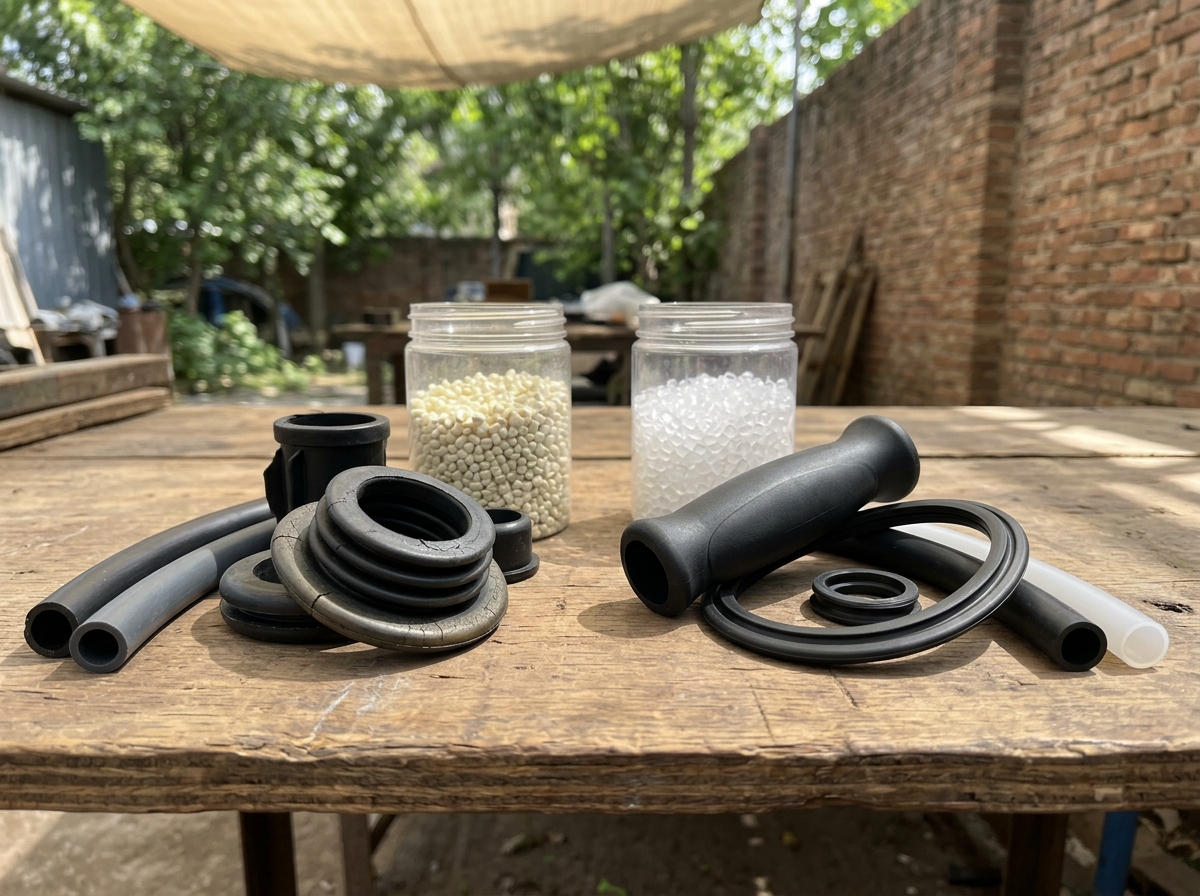
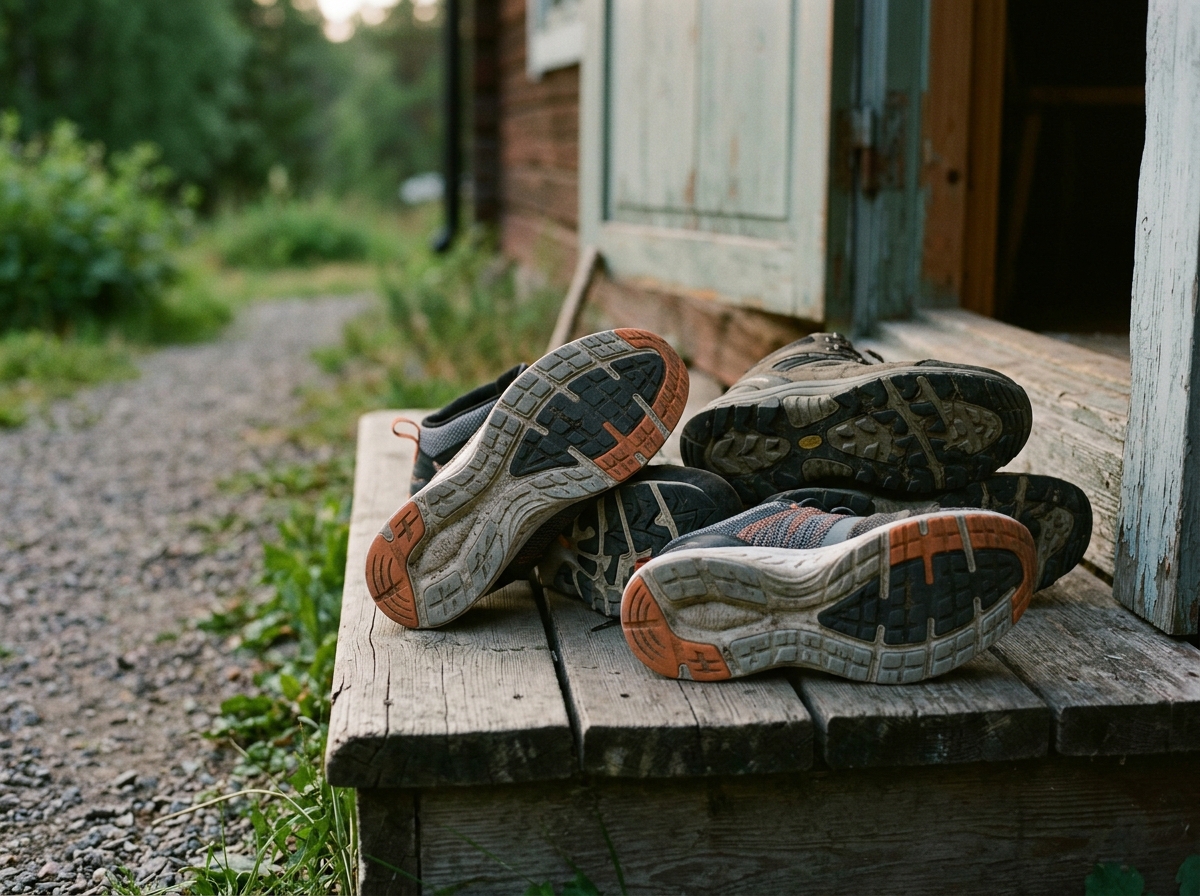
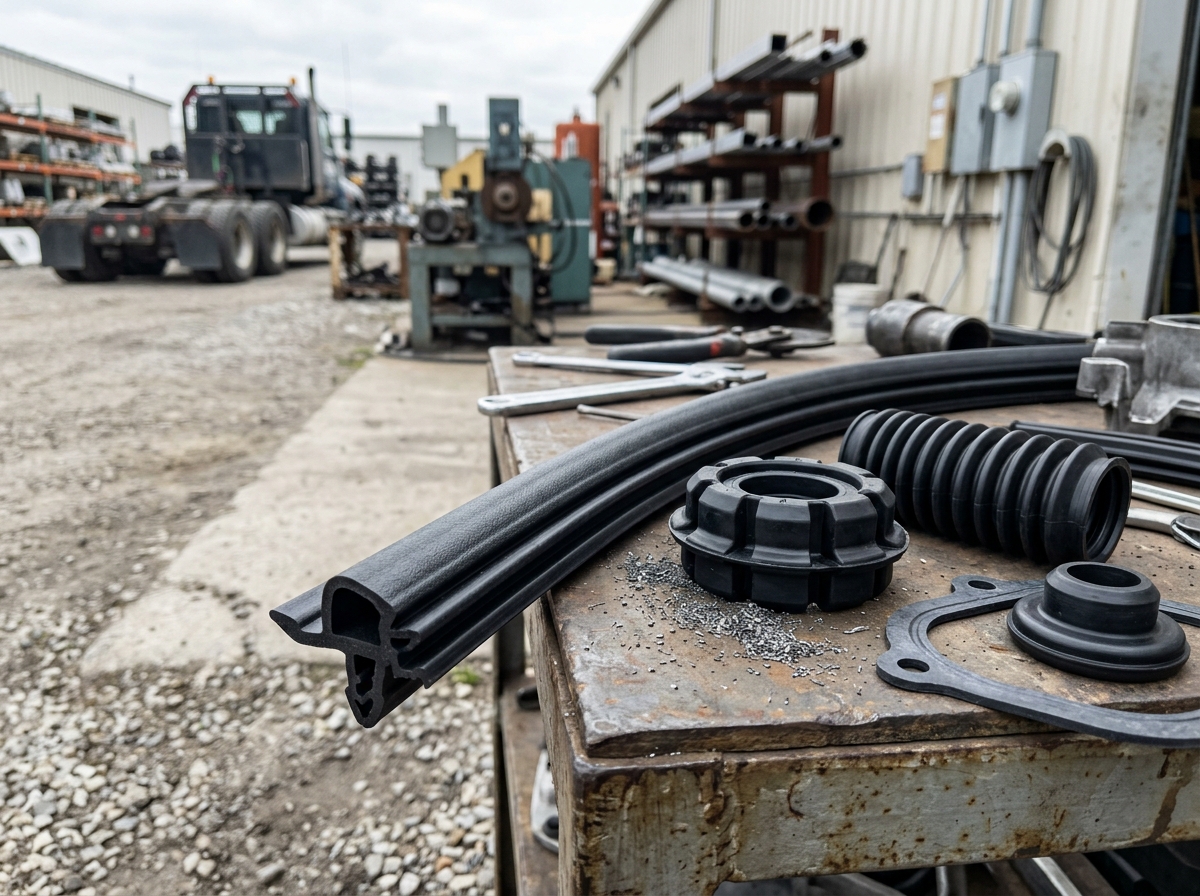
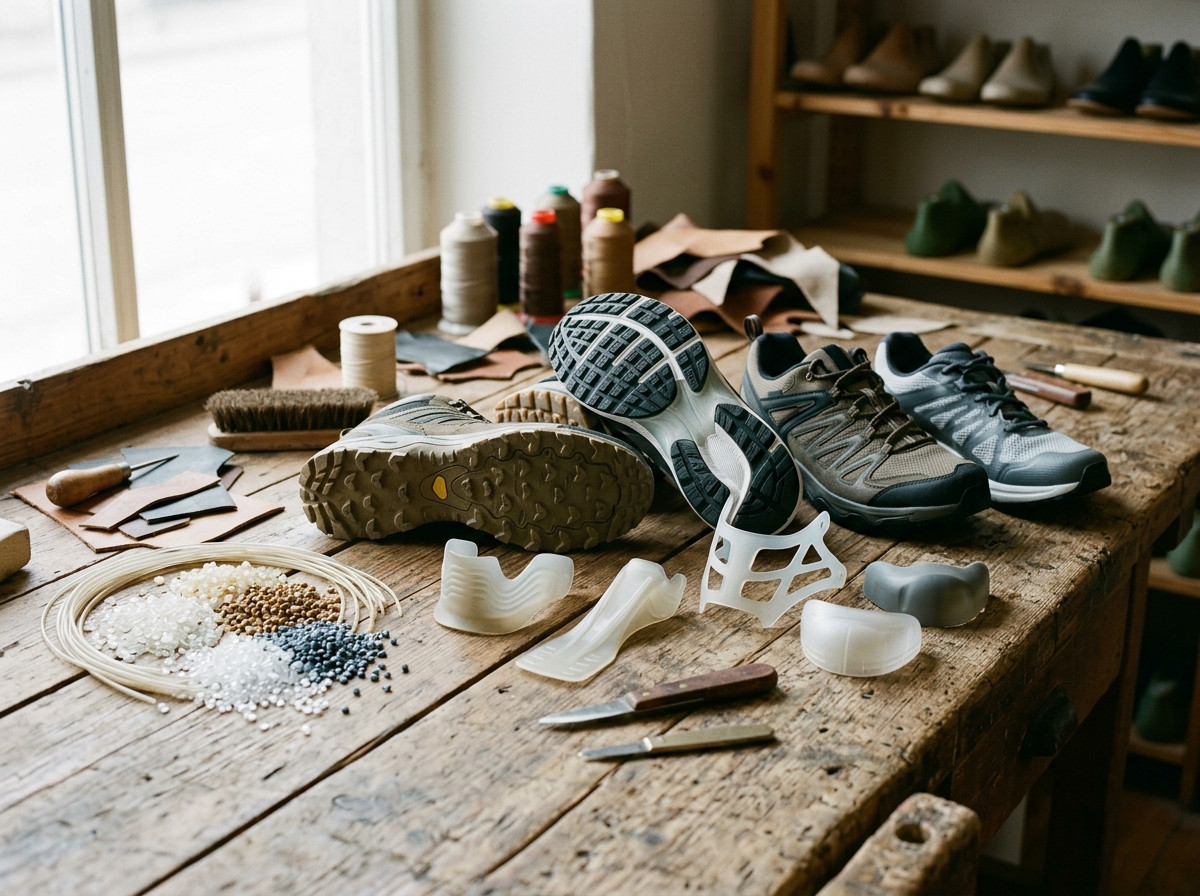
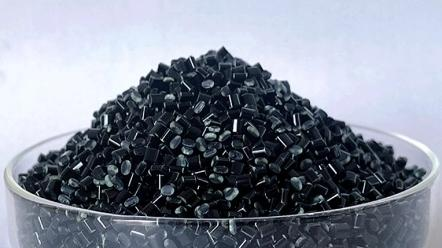
TPU material is widely used in footwear because it combines high abrasion resistance, elastic recovery, and processability in injection molding, extrusion, and compound formulations. In practical shoe design, TPU is most common in outsoles, midsoles, heel counters, protective toe and shank reinforcements, and decorative or structural parts that need durability without adding too much weight. For buyers, the real value of TPU material is not only wear resistance, but also stable hardness selection, predictable processing, and strong performance across daily walking, sports, and work footwear. In high-wear zones, TPU often outperforms softer elastomers when abrasion, oil exposure, and shape retention matter most.
- TPU material is best known for outsole wear resistance, rebound, and dimensional stability in footwear applications.
- Shoe components made with TPU often target high-stress zones such as outsoles, heel stabilizers, and shanks.
- Selection should balance hardness, slip resistance, cold flexibility, and processing window, not abrasion alone.
- Standards such as ISO 20873:2018 and ASTM F2913-19 are useful for understanding footwear testing and slip performance expectations.
- For B2B sourcing, batch consistency, color stability, and supply reliability are as important as resin grade.
TPU material has become a core choice for footwear applications because it can support demanding shoe components while staying compatible with large-scale manufacturing. For example, footwear designers often specify durable polymers for outsoles and structural inserts when they need abrasion resistance and low mass in the same build. In real production, that means the material must survive repeated flexing, impact, and surface wear while remaining processable in injection molding and extrusion. Industrial test methods such as ISO 20873:2018 help standardize footwear performance evaluation, while slip testing under ASTM F2913-19 is commonly referenced when traction is part of the design brief.
Why TPU Material Matters in Footwear Applications
TPU material matters because it solves a very specific footwear problem: how to combine comfort, durability, and manufacturability in one polymer family. The material sits between soft rubber-like performance and thermoplastic processing efficiency, which is why it appears in so many shoe components. In footwear applications, TPU is often chosen when a part must resist abrasion, maintain shape after repeated load cycles, and accept precise molding for consistent production.
The commercial logic is straightforward. A shoe component that wears slowly and keeps its geometry longer can improve product life, reduce returns, and support premium positioning. For brands and OEM buyers, that is more important than simply comparing price per kilogram. In many projects, the first question is not whether TPU can be used, but which hardness grade, color stability level, and processing method will best fit the target use case.
| Footwear component | Why TPU is used | Typical design priority | Common process |
|---|---|---|---|
| Outsole | Abrasion resistance and traction | Wear life and grip | Injection molding |
| Midsole insert | Energy return and shape stability | Cushioning balance | Injection or foaming blend |
| Heel counter | Support and deformation control | Heel lock and structure | Injection molding |
| Shank | Flex control and torsional support | Arch stability | Injection molding |
| Decorative trim | Surface finish and colorability | Visual quality | Extrusion or molding |
For sourcing teams comparing elastomers, TPU is often evaluated alongside TPR/TR material, SEBS material, and SBS material. The choice depends on whether the project needs stronger abrasion resistance, softer feel, or lower cost. In footwear applications, TPU usually wins when the spec sheet emphasizes surface durability and long-term shape retention.
Main Footwear Applications of TPU Material
TPU material is most valuable in shoe components that take repeated mechanical stress. The strongest use cases are outsole systems, midsoles, heel structures, shanks, and protective overlays. Each application asks the resin to solve a slightly different problem, which is why grade selection matters more than the generic label TPU.
1. TPU outsoles for abrasion-heavy use
TPU outsoles are one of the most common footwear applications because abrasion resistance directly affects service life. In walking shoes, work shoes, and some sports shoes, the outsole can lose mass quickly at the heel strike and forefoot flex zones. TPU helps extend use time by resisting surface wear better than many softer elastomer blends, especially when floor contact and rough terrain are part of the scenario.
Traction is the second major reason TPU is used in outsoles. A outsole formula can be tuned for tread depth, hardness, and surface finish, but the base polymer still needs enough toughness to hold the pattern. In practical terms, the material has to support both visual design and real-world wear.
2. TPU midsoles and cushioning structures
TPU midsoles are used when brands want rebound, resilience, and a more premium mechanical feel. The key advantage is that TPU can maintain elastic recovery after repeated compression better than many rigid plastics, while still being easier to process than vulcanized systems. In premium lifestyle and performance footwear, TPU midsoles are often selected for visible cushioning pods or functional inserts.
Compared with ultra-soft foams, TPU offers more predictable dimensional stability. That matters when a shoe needs consistent geometry across mass production, especially for sizes that must remain visually and functionally uniform in the final assembly.
3. TPU heel counters and support parts
TPU heel counters help stabilize the rearfoot and reduce unwanted deformation during wear. This is especially important in shoes that need firmer heel lock, such as training footwear, casual sneakers, and some industrial shoes. A well-designed heel counter improves fit perception and can reduce excessive movement inside the shoe.
Because heel counters are structural rather than purely aesthetic, manufacturers often focus on low shrink variation, repeatable molding, and fatigue resistance. TPU is attractive here because it keeps a balance between stiffness and resilience.
4. TPU shanks and torsional support components
TPU shanks are used to control flex and improve arch support. A shank must resist twisting while allowing the shoe to bend in a controlled way during gait. That makes material consistency critical, because too much softness can reduce support and too much rigidity can hurt comfort.
For this reason, TPU shanks often appear in shoes where underfoot stability is a selling point. The part itself is small, but it has a large influence on perceived quality.
5. TPU overlays, trims, and protective parts
TPU overlays and trims are used for abrasion-prone decorative or functional zones. These parts may not carry the same load as an outsole, but they still need scuff resistance, clean edges, and strong bonding compatibility with adjacent shoe materials. TPU can be formulated for visual clarity, matte effects, or color matching, which makes it useful for design-heavy footwear.
In many modern shoe concepts, the line between structure and decoration is blurred. TPU is helpful because it can serve both purposes without forcing the design team to use separate materials for every part.
| Application | Key benefit | Typical challenge | Design focus | Best-fit buyer priority |
|---|---|---|---|---|
| Outsole | Abrasion resistance | Slip and wear balance | Tread geometry | Durability |
| Midsole | Rebound | Weight control | Compression recovery | Comfort |
| Heel counter | Rearfoot stability | Fit and deformation | Stiffness tuning | Support |
| Shank | Torsional control | Too much rigidity | Arch support | Stability |
| Overlay | Scuff protection | Bonding and finish | Surface appearance | Visual consistency |
How TPU Material Compares with Other Shoe Materials
TPU material is not automatically the best choice for every shoe component, because footwear performance is always a tradeoff among cost, comfort, weight, and durability. Comparing TPU with TPR/TR, SBS, and SEBS helps buyers choose the right material family for each part rather than forcing one resin into every application.
TPR/TR remains popular in shoe materials because it can provide comfortable feel and good flexibility at competitive cost. SBS is often used in modified elastomer systems and adhesive-related shoe applications. SEBS generally offers better weathering stability and a softer-touch profile. TPU, by contrast, is strongest when abrasion, oil resistance, and repeated mechanical loading are the top priorities.
| Material | Primary strength | Typical footwear role | Relative durability | Processing note |
|---|---|---|---|---|
| TPU | Abrasion and resilience | Outsole, heel, shank | High | Good injection/extrusion window |
| TPR/TR | Comfort and cost balance | Sole systems, casual shoes | Medium | Widely used in footwear factories |
| SBS | Flexibility and compatibility | Compounds and adhesive systems | Medium | Often needs formulation support |
| SEBS | Weathering and softness | Soft-touch parts, premium feel | Medium-high | Good stability in demanding use |
For buyers deciding between these materials, the correct question is not “which one is best,” but “which one matches the part function.” A footwear outsole for a work shoe may justify TPU because wear life matters most, while a comfort-focused casual design may use a softer elastomer blend for lower cost or better walking feel. If you are reviewing portfolio options, a broader elastomer overview can be useful, such as TPU material and adjacent shoe component solutions in the same sourcing flow.
Technical Selection Criteria for TPU Footwear Applications
The right TPU material for footwear applications depends on more than a single hardness number. Buyers should evaluate hardness, rebound, flex fatigue, low-temperature behavior, color stability, and processing window together. That is the difference between a resin that looks good on paper and a material that performs reliably in production.
In footwear, typical TPU hardness ranges commonly selected for different parts fall roughly between Shore A and Shore D families, depending on the component geometry and target feel. Harder grades are often used in support or wear zones, while softer grades are favored where comfort and flexibility dominate. The correct range is usually defined by the part function, not by a universal “best” value.
- Hardness: Match the component function, such as support, wear surface, or comfort layer.
- Abrasion resistance: Prioritize for outsole and high-contact regions.
- Flex fatigue: Important for forefoot bending and repeated walking cycles.
- Cold flexibility: Relevant for shoes used in winter or outdoor settings.
- Color stability: Important for branded fashion footwear and transparent parts.
- Processing window: Critical for large-volume molding consistency.
Material testing also matters. Footwear slip performance is often assessed using methods such as ASTM F2913-19, which provides a standardized approach for measuring coefficient of friction in footwear-related evaluations. For buyers, the value of a standard is not the number itself, but the fact that it creates comparable results across suppliers and factories.
Another useful reference is ISO 20873:2018, which covers methods for shoe upper and footwear component testing. When a supplier says the material is “good for shoes,” ask how the claimed performance was measured, under what conditions, and whether the result was obtained on the actual component or only on a raw resin plaque.
Processing TPU Material in Footwear Manufacturing
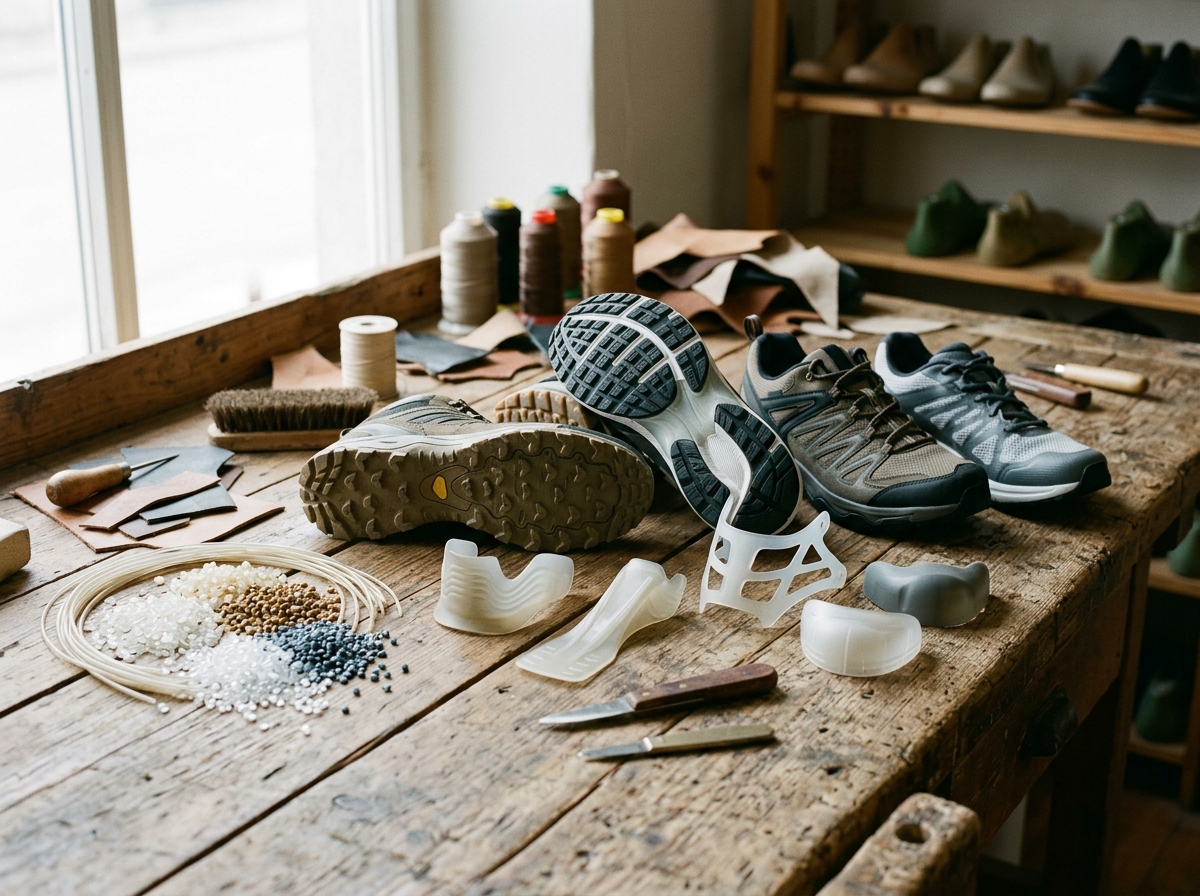
TPU material is valued in footwear manufacturing because it fits the production reality of injection molding, extrusion, and compound-based component making. A polymer may perform well in the lab, but if it blocks stable production or increases scrap, it becomes difficult to scale. TPU is often chosen because it offers a strong balance of flow, moldability, and end-use performance.
In practice, the process path is shaped by part geometry. Outsoles and structural inserts are often injection molded, while trim or profile parts may be extruded. The main production concern is keeping melt behavior consistent enough to preserve surface quality and dimensional repeatability across multiple cavities and shifts.
- Define the shoe part function before selecting the TPU grade.
- Set target hardness, color, and surface finish requirements.
- Validate mold filling, cooling, and demolding behavior.
- Measure wear, flex, and slip performance on the finished component.
- Confirm batch consistency before mass rollout.
From a manufacturing perspective, better process control usually reduces rework and variation. In many footwear factories, the biggest challenge is not the first sample, but keeping the same feel and appearance across long production runs. That is where resin stability and supplier quality control become decisive.
For cross-border sourcing teams, supply continuity can matter as much as performance data. A stable material program reduces coordination friction between product development, procurement, and factory engineering. If the shoe program depends on multiple material types, a one-stop portfolio approach can streamline the sourcing workflow, especially when comparing TPU with other elastomer options like TPO material or related shoe compounds.
Typical Performance Tradeoffs in TPU Footwear Parts
TPU material delivers strong footwear performance, but every advantage comes with a tradeoff. Higher hardness can improve wear life but reduce comfort. Softer grades can feel better underfoot but may wear faster. Premium appearance can increase visual value but require tighter process control.
These tradeoffs are why product teams should define the shoe use case before locking the formulation. A running shoe, a safety shoe, and a fashion sneaker all need different priorities even if they use the same polymer family.
| Design goal | TPU adjustment | Potential tradeoff | Best use case |
|---|---|---|---|
| Higher wear life | Increase hardness | Less softness | Outsole, heel strike zone |
| More comfort | Lower hardness | Lower wear resistance | Midsole insert, soft-touch parts |
| Better support | Raise stiffness | Reduced flex | Shank, heel counter |
| Better appearance | Tighten color control | Higher QC demand | Transparent or branded parts |
For many buyers, the most useful mindset is component-based selection. Instead of asking whether TPU material is generally good, ask whether it is the best fit for the outsole, support part, or decorative element in that specific shoe architecture. That approach produces better technical and commercial outcomes.
When TPU Material Is the Best Choice for Footwear
TPU material is the best choice when the shoe component must resist abrasion, preserve shape, and maintain function under repeated mechanical stress. It is especially strong in performance footwear, work footwear, outdoor shoes, and premium consumer models where durability is part of the brand promise.
It is also a strong choice when the design requires predictable molding, clean detailing, and consistent batch-to-batch behavior. For OEM and ODM buyers, those qualities reduce development risk and make specification control easier across multiple production cycles.
In contrast, TPU is not always the best answer for every shoe part. If the primary need is ultra-soft feel at the lowest possible cost, another elastomer system may be more efficient. If the need is weather stability in a soft-touch accessory, SEBS can be attractive. If the need is adhesive compatibility, SBS-based systems may be more appropriate. The right answer depends on function, not category name.
Buying Checklist for TPU Material in Footwear Applications
A disciplined buying checklist helps avoid common sourcing mistakes. The easiest way to get a poor result is to buy TPU on price alone without confirming the performance target.
- Confirm the shoe component and load path.
- Specify hardness, color, and surface finish.
- Ask for wear, flex, and slip test data on the actual part.
- Check whether the material has been validated under relevant standards.
- Review production consistency across sample and mass-production lots.
- Confirm supply lead time and packaging format.
For international procurement teams, the right supplier is the one that can translate material data into reliable finished components. That is particularly important when shoes are sold into markets with strict quality expectations, where a small variation in feel or wear can affect consumer satisfaction.
Conclusion: The Real Role of TPU Material in Footwear
TPU material plays a central role in footwear applications because it delivers the combination that shoe engineers care about most: abrasion resistance, elastic recovery, and scalable processing. In the right shoe components, especially outsoles, heel counters, shanks, and structural inserts, TPU creates a strong balance of performance and manufacturability. The most successful projects use TPU not as a universal solution, but as a targeted material for the parts that face the highest stress.
For sourcing and product teams, the smartest approach is to evaluate TPU material by component function, test method, and production consistency. When those three factors align, TPU becomes more than a resin choice; it becomes a reliable design tool for better footwear applications.
FAQ
1. What is TPU material mainly used for in footwear?
TPU material is mainly used for outsoles, heel counters, shanks, midsoles, overlays, and other shoe components that need abrasion resistance, support, and shape retention.
2. Why is TPU popular for shoe components?
TPU is popular because it combines high wear resistance with thermoplastic processability, making it suitable for large-scale footwear manufacturing.
3. Is TPU better than TPR for footwear applications?
TPU is usually better when abrasion resistance and structural durability are priorities, while TPR may be preferred when comfort or cost balance is the main goal.
4. Can TPU be used in running shoes?
Yes, TPU can be used in running shoes, especially in outsoles, support inserts, and cushioning-related structures where durability and rebound are important.
5. What tests are useful for TPU footwear parts?
Useful tests include wear testing, flex fatigue testing, slip performance evaluation under ASTM F2913-19, and footwear component methods referenced in ISO 20873:2018.
6. How do I choose the right TPU grade for shoes?
Choose the TPU grade based on hardness, abrasion needs, flexibility, color stability, and the specific function of the shoe component.
7. Does TPU work for premium footwear?
Yes, TPU is widely used in premium footwear because it supports refined molding, strong durability, and consistent appearance across production batches.