



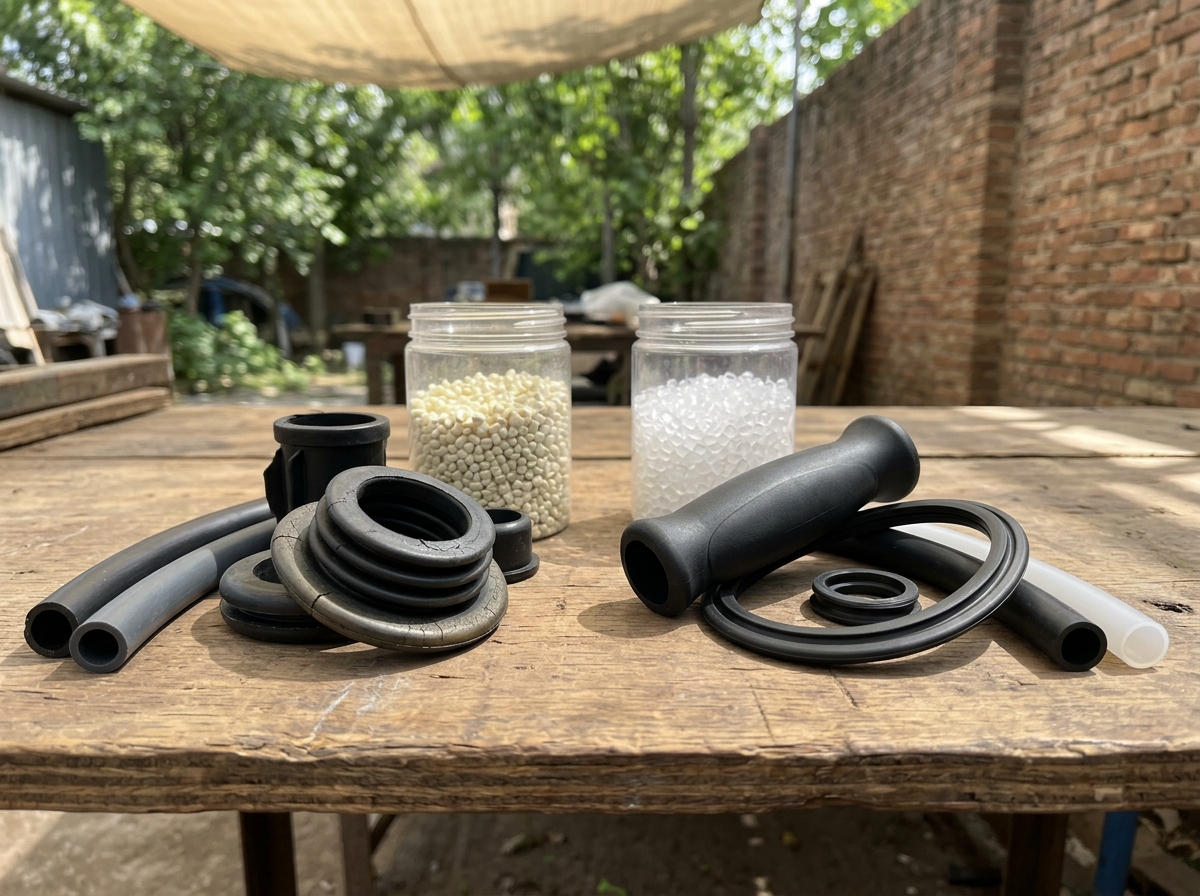

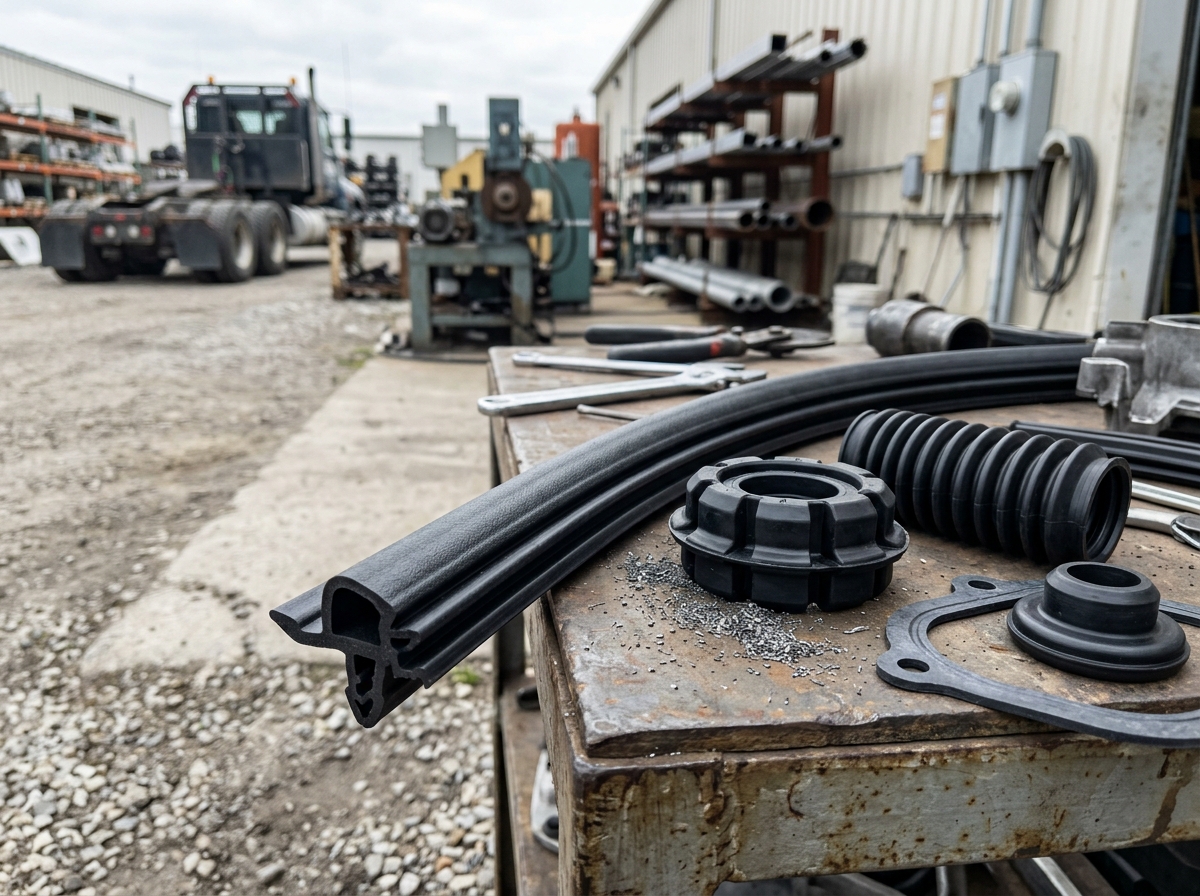

SBS material is a styrene-butadiene-styrene block copolymer that acts as a performance modifier in modified asphalt by improving low-temperature flexibility, crack resistance, and elastic recovery. In roofing and paving systems, it helps asphalt behave less like a brittle binder and more like a resilient elastomer, which is why it is widely used in modified asphalt supply chains and SBS polymer product selection. For waterproofing applications, SBS is especially valuable when projects need stronger membrane flexibility, better cold-weather performance, and more stable service life. Its effectiveness depends on dosage, base asphalt compatibility, processing temperature, and the target standard, such as ASTM D312 for roofing asphalt practice and ISO 6947 for welding-position terminology that is often used in broader construction quality documentation. The short answer: SBS material improves durability and workability when asphalt must resist thermal stress, movement, and cracking.
- SBS material increases asphalt elasticity and helps reduce thermal cracking in cold or fluctuating climates.
- Modified asphalt performance depends on polymer content, blending temperature, and compatibility with the base bitumen.
- For waterproof membrane systems, SBS is often chosen when flexibility, recovery, and施工 stability matter more than simple hardness.
- Selection should be guided by standards, lab testing, and end-use conditions rather than polymer name alone.
SBS material is one of the most widely used styrenic elastomers in modified asphalt because it changes binder behavior at both low and intermediate service temperatures, and this matters for waterproof membrane performance as much as for paving durability. In practice, SBS-modified systems are selected when a contractor or procurement team needs a binder that can tolerate movement, thermal cycling, and repeated stress without losing cohesion; a typical evaluation framework includes penetration, softening point, ductility, elastic recovery, and low-temperature bending results, all of which are common in asphalt quality control under ASTM D2170 and related test methods. For project teams comparing materials, the real question is not whether SBS is elastic, but whether the formulation can deliver consistent performance across batches, climates, and application methods.
SBS Material in Modified Asphalt: What It Changes at the Molecular and System Level
SBS material improves modified asphalt by creating a physical network that increases elasticity and reduces brittle failure under stress.
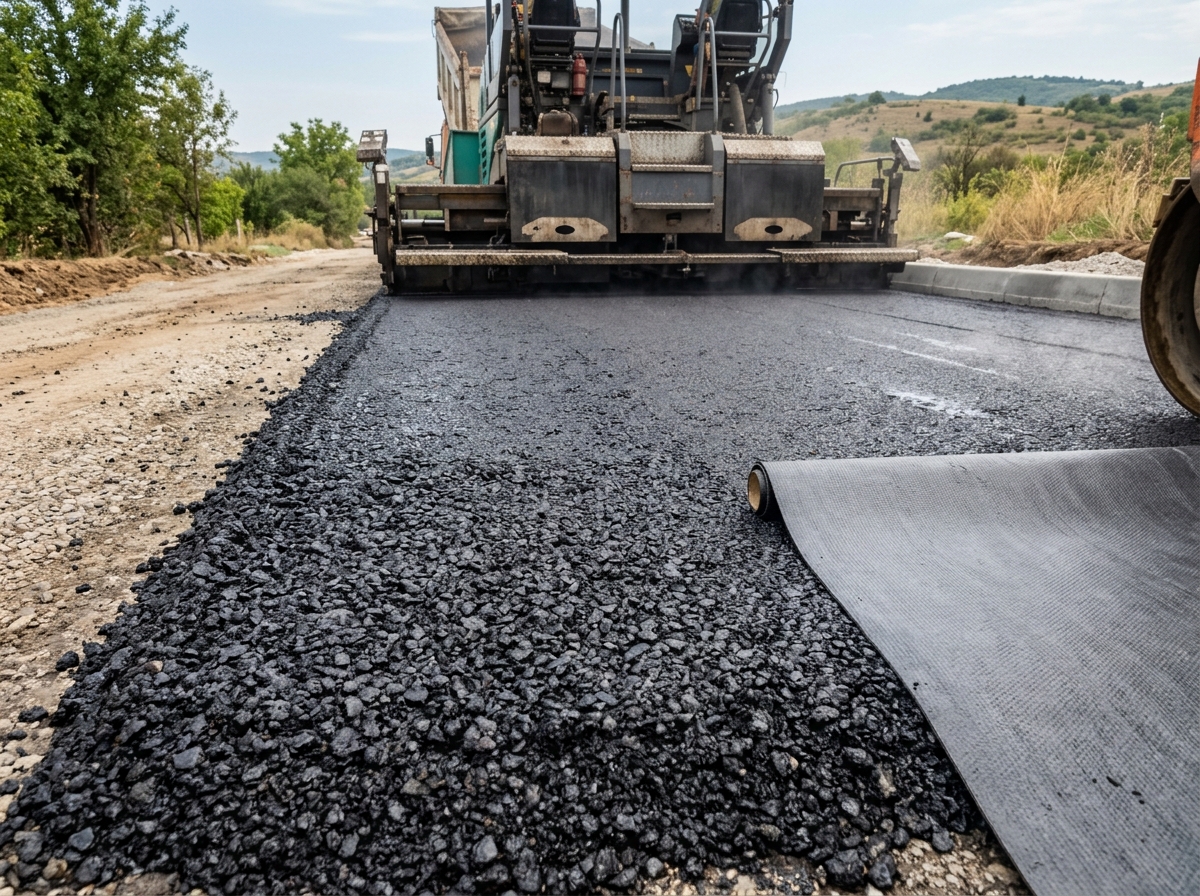
The polymer contains hard styrene domains and a soft butadiene midblock, and this microstructure lets the material act like an elastomer inside the asphalt phase. When blended correctly, the styrene domains help maintain structure while the butadiene phase provides stretch and recovery. In construction terms, that means better crack bridging, improved rutting resistance in some formulations, and a wider usable temperature window. This is why SBS modified asphalt is common in waterproof membrane applications and in systems where thermal movement is a design concern.
For buyers, the key is compatibility. SBS does not work as a simple additive that can be poured in and expected to perform. Base asphalt chemistry, aromatic content, mixing energy, and processing temperature all influence swelling and dispersion. Poor compatibility can cause phase separation, unstable viscosity, or storage problems. In well-controlled production, SBS may be combined with extender oils, stabilizers, or mineral fillers to tune workability and aging resistance.
| Performance factor | Typical SBS contribution | Why it matters in asphalt |
|---|---|---|
| Elastic recovery | Improved compared with unmodified binder | Helps the binder recover after deformation |
| Low-temperature flexibility | Better crack resistance | Reduces thermal and fatigue cracking |
| Viscoelastic balance | More stable under repeated loading | Supports paving and membrane durability |
| Processing window | Requires controlled blending | Prevents phase instability and defects |
Why SBS Material Is Used in Waterproof Membrane Systems
SBS material is especially valuable in waterproof membranes because membranes need flexibility, adhesion, and long-term movement tolerance.
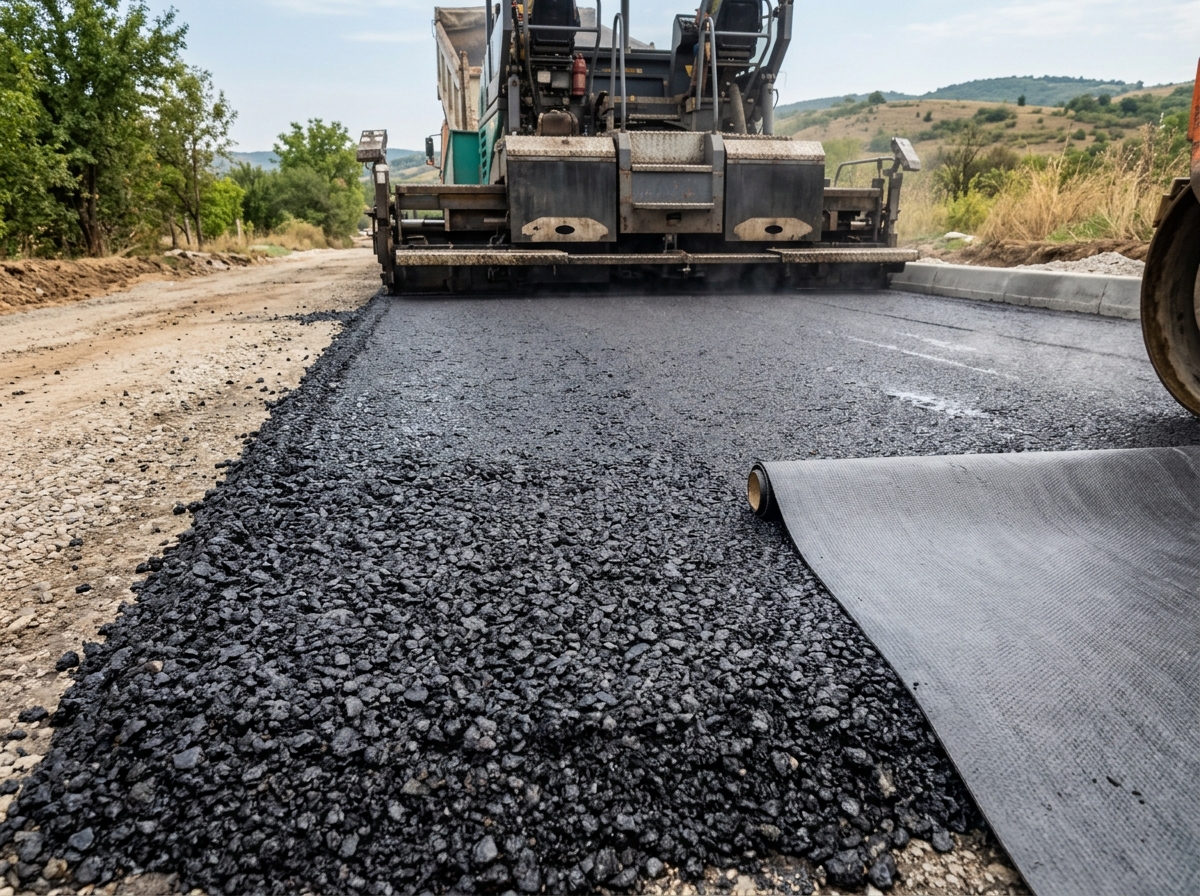
A membrane is not just a sheet; it is a stress management layer. Roof decks expand and contract, substrate joints move, and temperature swings can create tensile strain. SBS-modified membranes respond better to that movement than brittle alternatives. In many roofing specifications, flexibility at low temperature and resistance to cracking are treated as essential indicators because a membrane that performs well at install time but fails during winter is a false economy. This is where SBS consistently outperforms more rigid systems in practical field use.
From a construction management point of view, SBS also supports easier installation over uneven substrates when the formulation is balanced correctly. The polymer helps the membrane remain workable during rolling, torching, or self-adhered layup depending on the system design. For procurement teams, that translates into fewer installation defects, better seam integrity, and lower rework risk. However, if the membrane formulation is under-designed, excess softness can lead to indentation or creep in high-heat service, so selection should follow the service environment rather than simply choosing the highest elasticity.
| Application condition | Why SBS is selected | Selection risk if mis-specified |
|---|---|---|
| Cold climate roofing | Better flexibility at low temperature | Brittle cracking if modifier is too low |
| Dynamic roof substrates | Higher movement tolerance | Seam failure if elongation is insufficient |
| Waterproofing detail areas | Improved crack bridging | Leak risk at joints and corners |
| Fast-track construction | Supports practical installation window | Rework if viscosity and tack are unstable |
Modified Asphalt Performance Metrics Buyers Should Ask For
SBS material should always be evaluated by measurable performance data, not by generic product claims.
The most useful purchase criteria are those tied to the finished binder or membrane. In asphalt and roofing quality control, common checks include softening point, penetration at 25 C, ductility, elastic recovery, aging retention, and low-temperature bend performance. For example, ASTM D312 is a roofing asphalt standard used in practice for classification and selection, while ASTM D2170 is used for viscosity measurement of asphalts by vacuum capillary viscometer. These methods matter because they transform a subjective buying decision into a testable technical specification. Public agencies such as NIST also provide broad metrology guidance that reinforces why reproducible measurement is essential when supplier claims affect field performance.
When comparing suppliers, ask for test methods, sample preparation conditions, and whether the data reflect the finished blend or only the raw polymer. That distinction is critical. A raw SBS polymer may look suitable on paper, but the actual modified asphalt can still fail if the base bitumen is incompatible or the mixing protocol is weak. The most credible documentation will state the test standard, temperature, loading rate, and aging condition.
| Test item | Typical purpose | What buyers learn |
|---|---|---|
| Penetration at 25 C | Binder consistency | How hard or soft the asphalt is |
| Softening point | Heat resistance indicator | How the binder behaves in warm service |
| Ductility | Stretch behavior | Resistance to crack propagation |
| Elastic recovery | Recovery after deformation | How well the SBS network functions |
| Low-temperature bend | Cold-weather durability | Whether the membrane or binder is likely to split |
How SBS Compares With Other Styrenic Elastomers in Asphalt and Membranes
SBS material is usually the best-known choice for modified asphalt, but it is not the only styrenic elastomer available.
SEBS is often preferred when weathering resistance and UV stability matter more than cost, because hydrogenation improves oxidative stability. SIS is more commonly associated with hot-melt adhesives and pressure-sensitive systems where tack is critical, not long-term asphalt structure. In the same way that TPE, TPV, and TPU each answer different engineering needs, SBS is best understood as the balance point between elasticity, processability, and cost in asphalt systems. That balance is one reason it remains dominant in many roofing and waterproof membrane formulations. For broader polymer comparison, you can also review SEBS material options and TPU material options to see how different elastomer families serve different performance targets.
The choice is not about which polymer is objectively “best.” It is about which failure mode you are trying to prevent. If the main concern is brittle cracking, SBS is strong. If the concern is long-term weathering and UV exposure, SEBS may offer advantages. If the concern is adhesive tack, SIS is more relevant. Smart sourcing starts with the service environment.
| Material | Main strength | Best-fit application | Key limitation in asphalt |
|---|---|---|---|
| SBS | Elasticity and crack resistance | Modified asphalt, waterproof membrane | Weathering can be weaker than hydrogenated grades |
| SEBS | Better weathering stability | High-end soft-touch and exposed applications | Often higher cost |
| SIS | High tack | Hot-melt and PSA systems | Not the primary choice for structural asphalt modification |
| TPU | Wear and oil resistance | Industrial parts and elastic products | Different processing profile from asphalt systems |
Typical Formulation and Processing Considerations for SBS Modified Asphalt
SBS material only performs well in modified asphalt when processing conditions are controlled tightly.
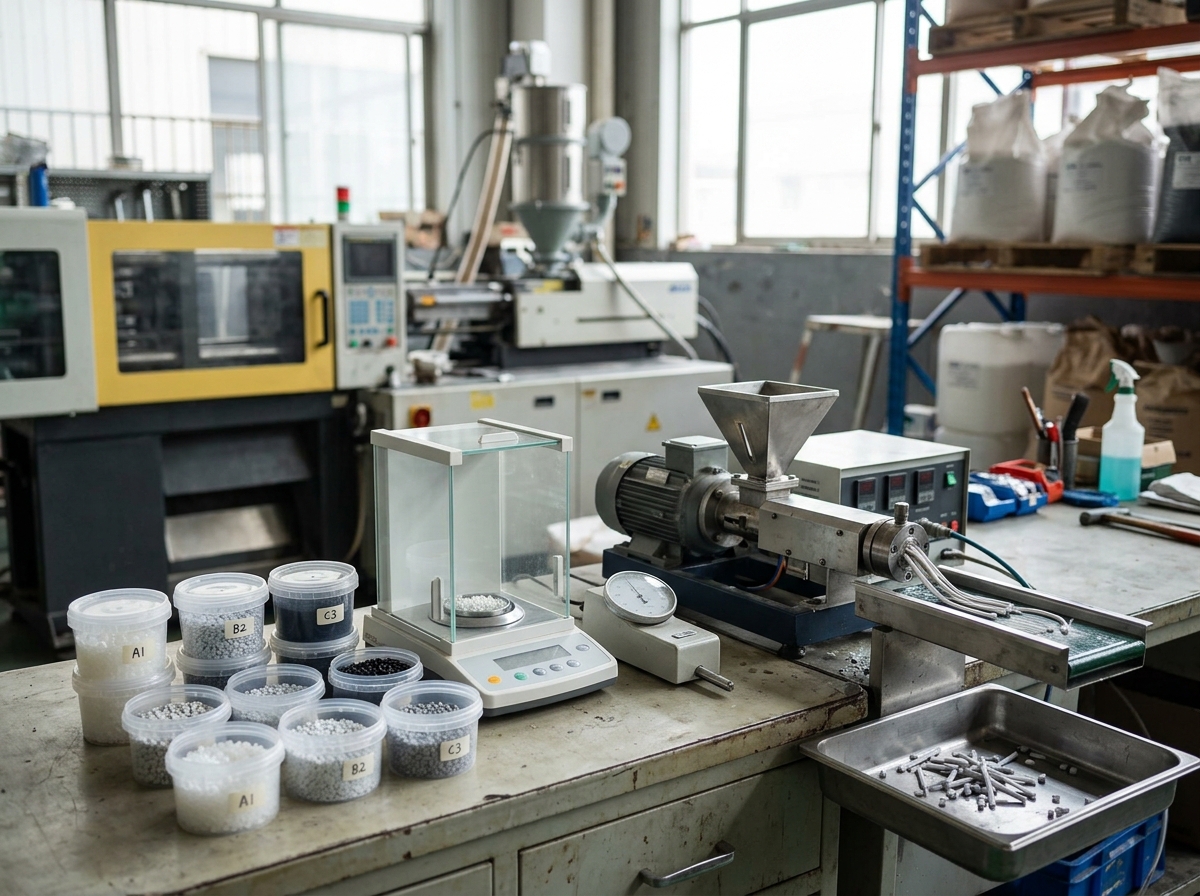
The blending process usually depends on temperature, shear, residence time, and storage stability. In many industrial systems, asphalt is heated to a high enough temperature to soften the base binder and allow polymer swelling, but excessive heat can accelerate aging and reduce final performance. Because exact process windows vary by base asphalt and formulation, producers typically validate with lab and pilot trials rather than relying on one universal recipe. That is especially important for waterproof membrane grades, where consistency across rolls and production lots directly affects field sealing.
Plant teams often look for signs such as smooth dispersion, stable viscosity after storage, and no visible phase separation. If the binder thickens too much, pumping and coating become difficult. If it stays too thin, the membrane may lack body and dimensional stability. The right formulation therefore balances workability and end-use durability, not just raw elasticity.
- Confirm the target service environment, including minimum temperature and UV exposure.
- Choose the SBS grade and dosage based on the desired balance of flexibility and stiffness.
- Validate base asphalt compatibility before full production.
- Test finished binder or membrane by standard methods, not by appearance alone.
- Check storage stability and batch-to-batch repeatability before release.
SBS Material Selection Checklist for Procurement Teams
SBS material should be sourced with a technical checklist that matches the end-use rather than the lowest price.
Procurement mistakes often happen when teams compare only nominal polymer grade, while ignoring membrane design, climate exposure, and test evidence. A strong technical datasheet should indicate molecular architecture, styrene content range, viscosity behavior, recommended blend conditions, and supported applications. If those details are missing, the buyer is forced to guess about performance.
In large B2B projects, the most useful supplier conversation is a three-part one: what the product is, what it is tested against, and what problem it is expected to solve. This is also where a structured supplier page helps reduce confusion; for example, a buyer may move from raw polymer evaluation to product category pages and then to a dedicated company profile page to verify continuity of supply and documentation practices.
- Ask for the exact test standard and sample preparation method.
- Verify whether values refer to raw SBS or finished modified asphalt.
- Match the product to climate, substrate movement, and service temperature.
- Request storage stability and compatibility data when available.
- Check whether the supplier can support OEM or custom formulation needs.
What Buyers Often Misunderstand About SBS Material
SBS material is often mistaken for a universal fix, but its value depends on formulation discipline and project context.
One common misunderstanding is that more polymer always means better performance. In reality, too much modifier can raise viscosity, complicate pumping, and increase production cost without proportional gains. Another misunderstanding is that laboratory softness automatically means field flexibility. A binder that performs well in one test may still age poorly, separate during storage, or fail at a joint if the membrane architecture is weak.
A third issue is assuming that SBS alone determines quality. It does not. Base asphalt selection, filler system, compatibilizers, and process control are all part of the final result. This is why the best suppliers explain the whole system, not just the resin name. For buyers in waterproofing and modified asphalt, that systems view is often the difference between a stable supply chain and recurring site defects.
Conclusion: When SBS Material Is the Right Choice
SBS material is the right choice when modified asphalt or waterproof membrane systems need elasticity, crack resistance, and practical processing balance.
It is especially strong in projects where low-temperature flexibility, seam durability, and movement tolerance matter more than weathering extremes or simple hardness. The best outcomes come from standard-based selection, verified test data, and clear alignment between polymer grade and service conditions. For buyers, that means evaluating SBS as part of a complete formulation, not as an isolated ingredient. When the technical file is strong and the application is well-defined, SBS can deliver a reliable performance upgrade in both modified asphalt and membrane systems.
FAQ
What does SBS material do in modified asphalt?
SBS material improves elasticity, crack resistance, and recovery in modified asphalt by creating a polymer network inside the binder.
Why is SBS used in waterproof membrane products?
SBS is used in waterproof membrane products because it supports flexibility, adhesion, and movement tolerance under changing temperatures.
Is SBS better than SEBS for asphalt?
SBS is often better for cost-effective elasticity in asphalt, while SEBS may be better when weathering resistance is the priority.
What standards are commonly used to evaluate modified asphalt?
Common references include ASTM D312 for roofing asphalt practice and ASTM D2170 for viscosity measurement, along with related binder and membrane test methods.
What is the biggest risk when using SBS material?
The biggest risk is poor compatibility or weak process control, which can lead to phase separation, unstable viscosity, or poor field performance.
How should buyers compare SBS suppliers?
Buyers should compare test standards, finished-product data, consistency between batches, and the supplier’s ability to support application-specific formulation needs.
Does more SBS always mean better modified asphalt?
No. More SBS can increase viscosity and cost, so the correct dosage depends on the target service environment and processing window.