



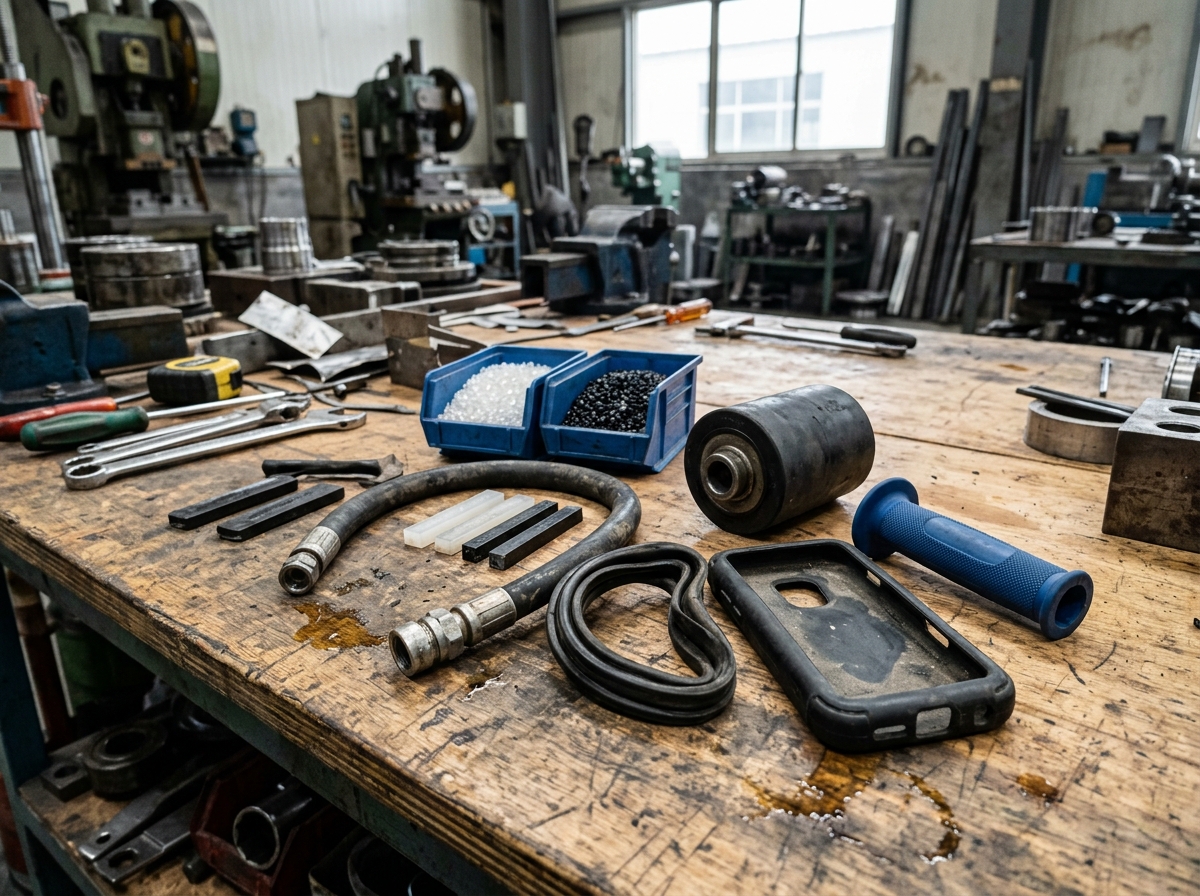
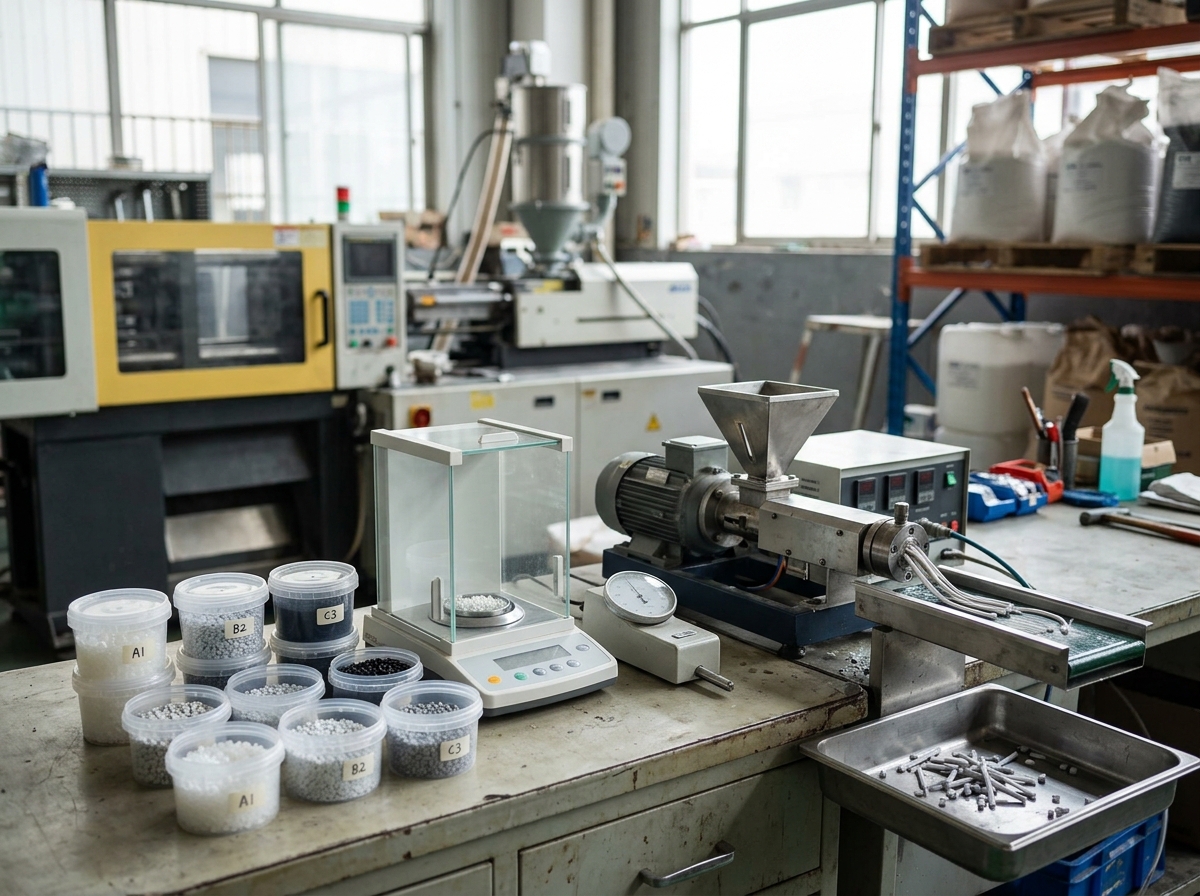
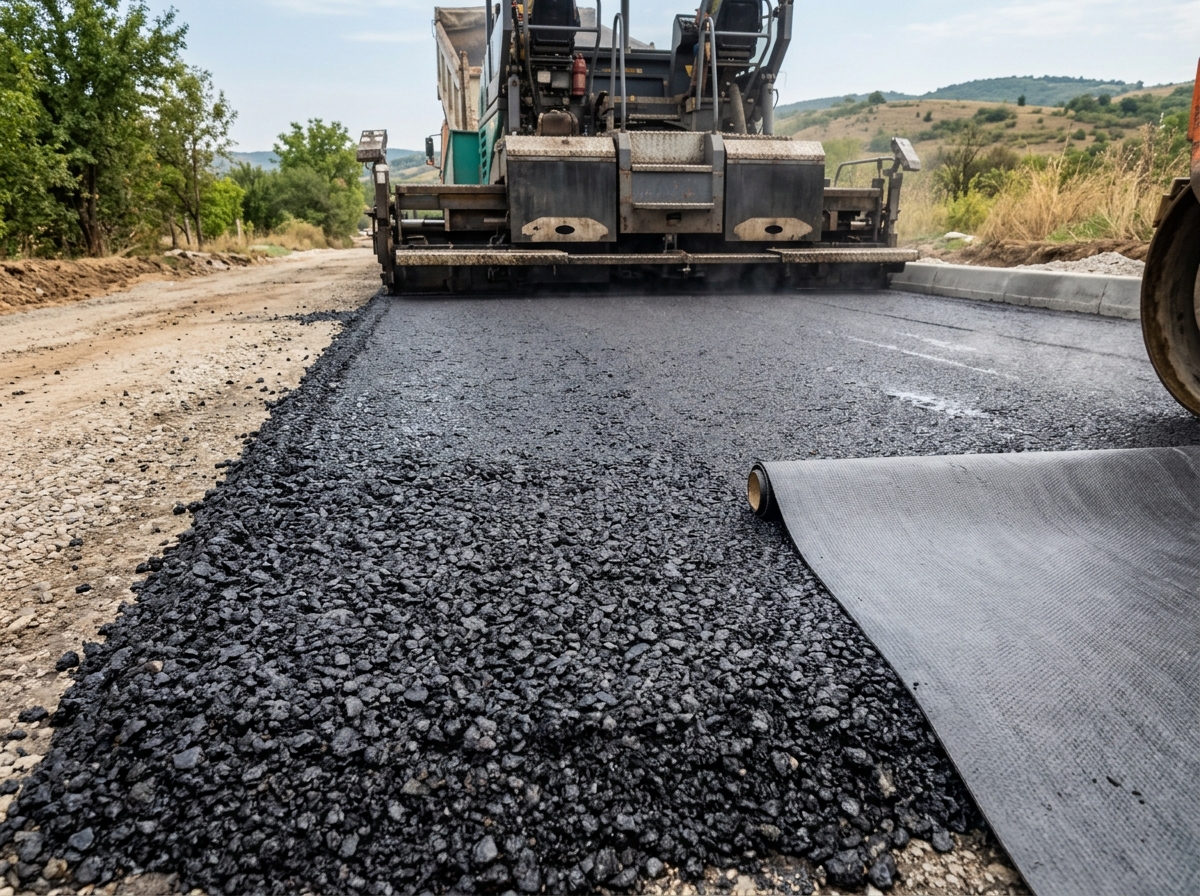
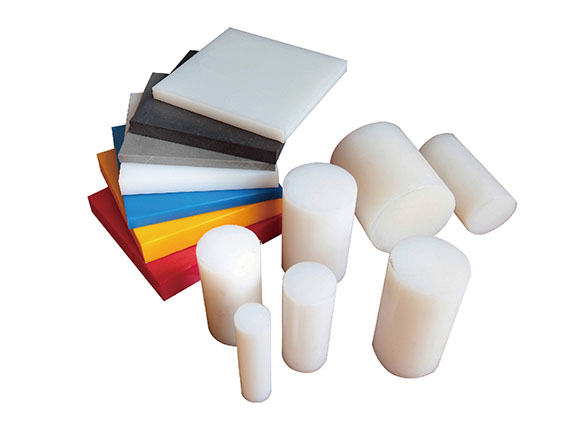
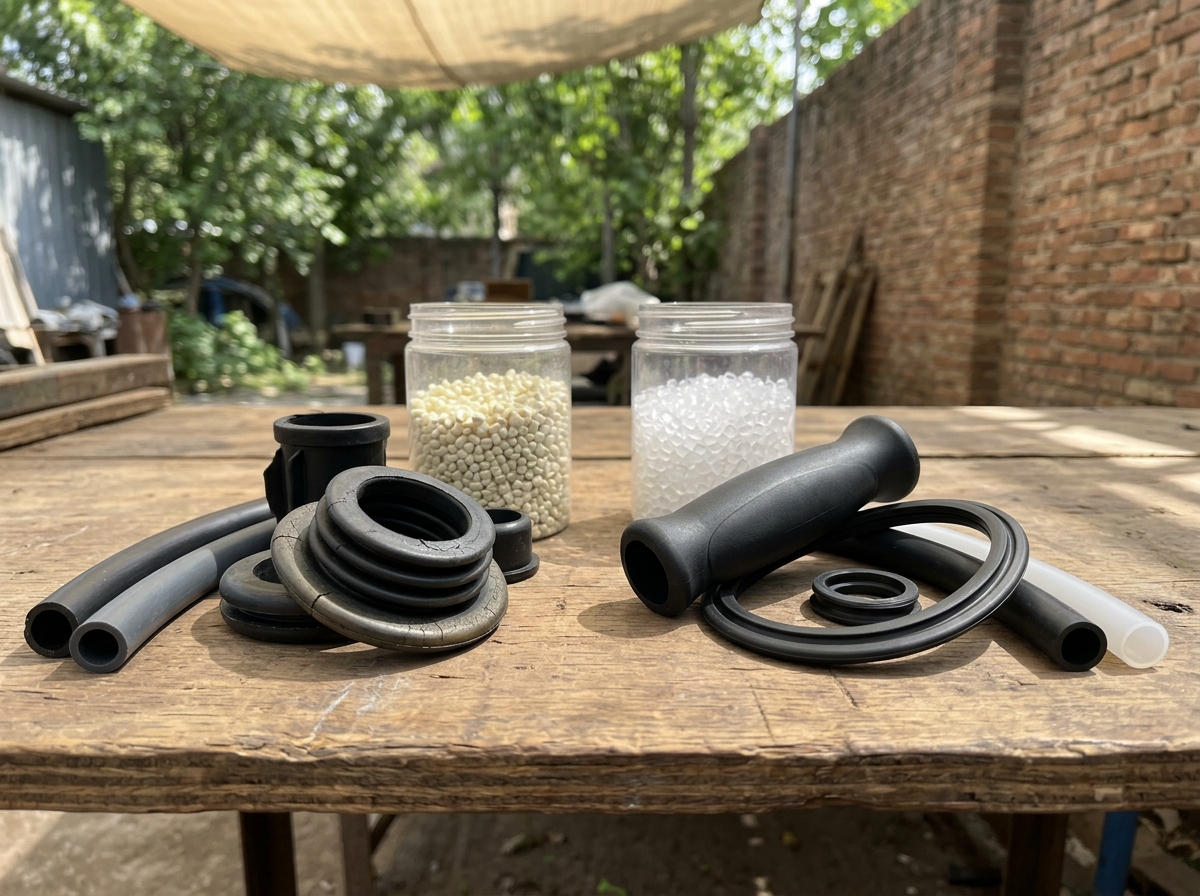

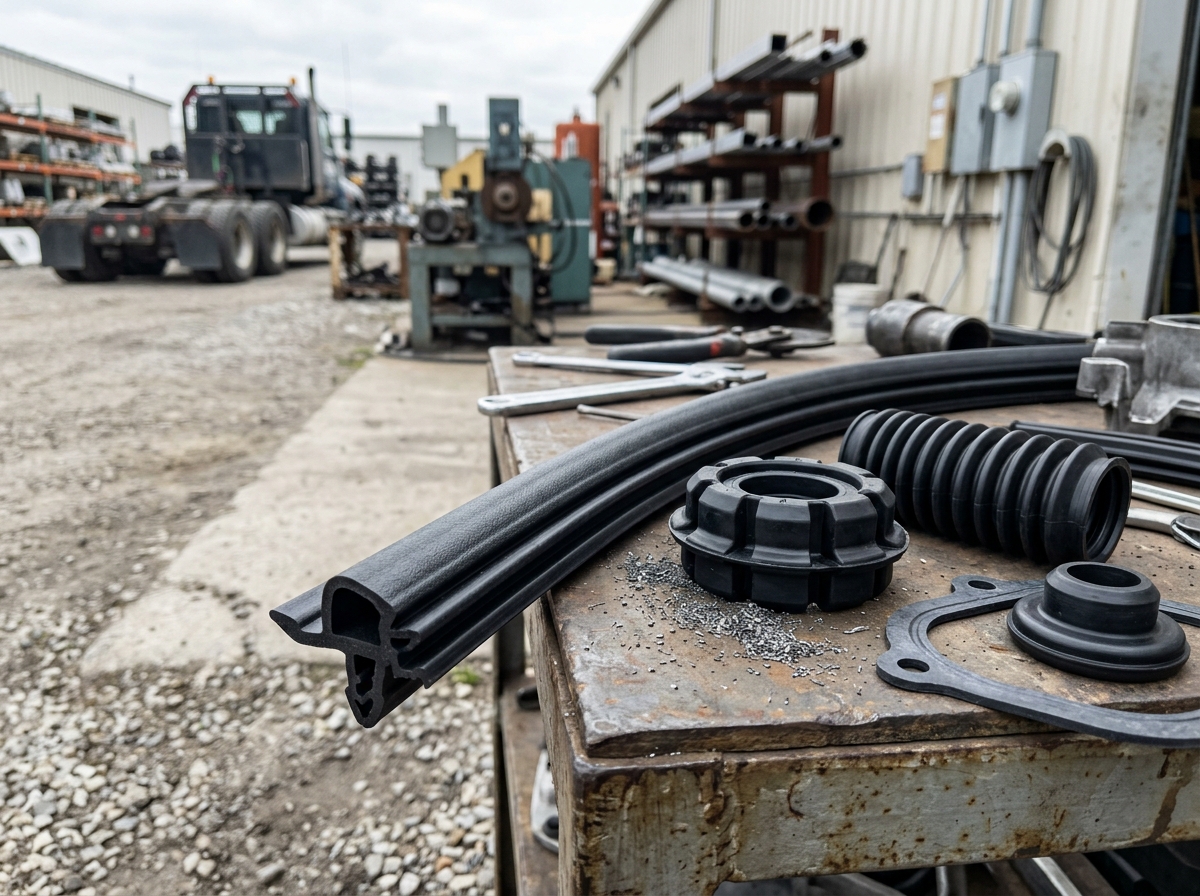

The best formulation development scenarios for TPE raw material are the ones where you need to balance elasticity, processability, and end-use performance in a single compound. In practice, TPE raw material is most valuable when the project requires injection molding or extrusion at scale, tight hardness control, stable batch-to-batch behavior, and a clear tradeoff between cost and performance. For soft-touch consumer parts, automotive seals, footwear, adhesive systems, and modified asphalt, formulation development should start from the base resin selection, then tune compatibilizers, oil content, fillers, and processing aids to hit the target hardness, rebound, heat resistance, and surface feel.
- TPE raw material is best used when the product must combine rubber-like elasticity with thermoplastic processing efficiency.
- The right base resin depends on the application: TPV for heat and weather exposure, TPO for impact and lightweight parts, TPU for wear resistance, and SEBS or SBS for soft-touch or adhesive-oriented systems.
- Formulation development should be driven by measurable targets such as hardness, rebound, tensile strength, compression set, and processing window, not by resin name alone.
- Standards such as ISO 527-1 for tensile testing and ASTM D412 for vulcanized and thermoplastic elastomer tension properties help translate material claims into comparable data.
TPE raw material is a practical starting point for formulation development because it lets compounders tune performance without giving up high-throughput processing, and that matters in markets where consistency and cycle time directly affect cost. Thermoplastic elastomers are designed to bridge rubber-like elasticity and plastic processability, which is why they are widely used in injection molding and extrusion. For applications where dimensional consistency matters, many manufacturers align internal test methods with ISO 230-1 style measurement discipline, even when the final product is not a machine tool component, because the same principle applies: verified performance beats assumed performance. In a typical B2B workflow, the base resin is only the beginning; the compounder then adjusts oil loading, impact modifiers, fillers, stabilizers, and process aids to meet end-use requirements.
TPE Raw Material and Formulation Development: What the Base Resin Really Does
The base resin sets the performance ceiling before any additive package is added.
In TPE raw material selection, the base resin defines the family behavior: SEBS gives a soft-touch, stable, weatherable profile; SBS is often chosen for cost-sensitive flexibility and adhesive compatibility; TPV improves heat resistance and dynamic fatigue behavior; TPO favors lightweight impact parts; TPU delivers abrasion and oil resistance; and SIS is preferred in pressure-sensitive adhesive and hot-melt systems where tack matters more than structural strength. That means formulation development should never start with the additive package alone, because the wrong base resin can force the compounder to overcorrect later, which often reduces stability.
| Base resin family | Typical strength | Typical limitation | Best-fit scenario |
|---|---|---|---|
| SEBS | Weatherability, soft-touch stability | Higher cost than SBS | Consumer grips, seals, premium soft parts |
| SBS | Cost-efficient flexibility | Lower weather resistance | Shoe soles, modified asphalt, adhesives |
| TPV | Heat resistance, dynamic fatigue | More demanding compounding window | Automotive seals, industrial gaskets |
| TPO | Low density, impact performance | Lower elastic recovery than TPU | Auto trim, appliance housings |
| TPU | Abrasion and oil resistance | Processing sensitivity to moisture | Footwear, cable jackets, industrial parts |
For formulation development, this table is the real starting map, because the compound must match both processing method and end-use stress profile. A shoe outsole does not need the same heat-aging resistance as an under-hood automotive seal, and a pressure-sensitive adhesive has completely different priorities from a lightweight interior trim part.
When TPE Raw Material Is Best for Injection Molding and Extrusion Projects
High-volume thermoplastic processing is one of the strongest use cases for TPE raw material.
If your project is built around injection molding or extrusion, TPE raw material is usually a strong formulation-development candidate because it can reduce secondary vulcanization steps, shorten production flow, and improve repeatability. This is especially important in consumer parts, cable jackets, overmolding, and sealing profiles. In practical manufacturing, the value is not just flexibility; it is the ability to hold target hardness and surface finish across many cycles without changing the line setup dramatically.
For example, thermoplastic elastomer testing often tracks tensile behavior using ASTM D412 and dimensional stability using internal process control methods. In automotive-grade projects, suppliers also commonly use heat-aging and ozone-related evaluation aligned with industry norms to confirm whether a compound can survive real exposure conditions. When a resin family can be processed on standard thermoplastic equipment, the economics improve because the operation avoids the separate curing stage required by traditional rubber compounds.
| Processing scenario | Why TPE raw material fits | Key target metric | Common risk |
|---|---|---|---|
| Injection molding of soft grips | Fast cycle and good surface replication | Hardness consistency within target window | Flow marks if viscosity is too high |
| Extruded seals and profiles | Continuous throughput and easy cutting | Dimensional stability after cooling | Shrink variation across batches |
| Overmolding on rigid substrates | Improved tactile and functional integration | Adhesion to substrate | Poor bonding without compatibilizer |
In these scenarios, formulation development should focus on melt flow balance, shrinkage control, and final touch feel, because the consumer will notice surface quality before they notice the technical datasheet.
Which End-Use Scenarios Favor TPV, TPO, TPU, SBS, or SEBS
The best resin choice depends on the stress environment, not just the product category.
TPV is usually the right direction when the part faces heat, weather, and repeated flexing, which is why it is common in automotive and industrial sealing applications. TPO is a better fit when the priority is impact resistance with lower weight, such as interior trim and general industrial components. TPU is preferred when abrasion, cut resistance, and oil resistance matter more than low cost. SEBS and SBS are often selected for softer consumer feels, but SEBS usually wins when weatherability and stability are critical.
That difference matters in formulation development because the wrong family can create hidden costs later. A cheap SBS compound may look attractive at procurement stage, but if the part is exposed to sunlight, oils, or thermal cycling, the field failure cost can exceed the initial material saving. In contrast, a TPU or TPV formulation may cost more per kilogram but can deliver lower scrap and fewer warranty issues.
| Scenario | Preferred family | Why it works | Typical performance focus |
|---|---|---|---|
| Automotive door seals | TPV | Heat and weather resistance | Compression set, dynamic fatigue |
| Lightweight trim parts | TPO | Impact and density balance | Stiffness, impact resistance |
| Shoe outsoles and cable jackets | TPU | Abrasion and oil resistance | Wear, flex life, surface durability |
| Soft-touch consumer goods | SEBS | Stable tactile feel | Rebound, appearance, weatherability |
| Budget-sensitive adhesive or asphalt modification | SBS | Cost-effective flexibility | Tack, compatibility, low-temperature behavior |
In other words, the answer is not “which TPE is best” but “which TPE best matches the loading, environment, and process window.”
TPE Raw Material Formulation Development for Footwear, Adhesives, and Modified Asphalt
Application context changes formulation priorities more than resin name does.
Footwear customers usually want a combination of wear resistance, rebound, comfort, and color stability, which is why TPU, SBS, SEBS, and TPR/TR systems are often discussed in the same purchasing conversation. In footwear, the compound must survive repeated bending while staying comfortable and visually consistent. That is why formulation development often includes tuning oil content, styrene content, or plasticizer balance to reach the right softness without sacrificing tear resistance.
Adhesive and hot-melt systems behave differently. SIS and SBS are often selected because tack, cohesion, and compatibility are the real performance drivers. Here, the best formulation may be the one that gives the right open time and bond strength, not the highest tensile strength. In modified asphalt and waterproofing materials, SBS and compatible resins are widely used because low-temperature flexibility and aging resistance are more important than a premium hand feel. For those applications, durability under thermal cycling and environmental exposure often matters more than immediate aesthetics.
- Footwear: prioritize abrasion, rebound, odor, and color stability.
- Adhesives: prioritize tack, open time, viscosity control, and compatibility.
- Modified asphalt: prioritize low-temperature flexibility, adhesion, and aging resistance.
- Waterproofing: prioritize cohesion, durability, and construction usability.
These application-specific priorities are why a single TPE raw material platform rarely solves every problem without adjustment.
How to Build a Better Formulation Development Workflow with TPE Raw Material
A good formulation development workflow starts with measurable targets and ends with validation under real use conditions.
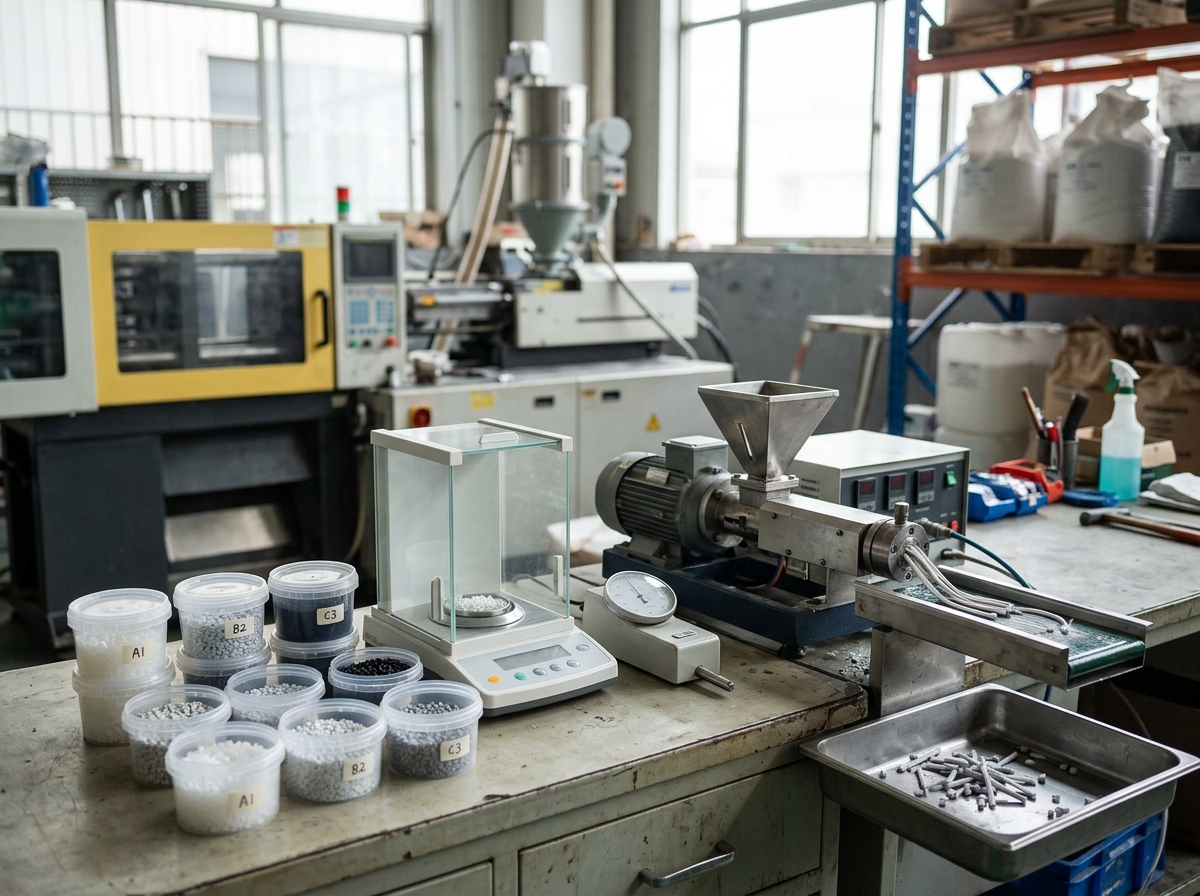
The smartest teams define the performance window before compounding. That means setting target hardness, rebound, tensile strength, elongation, compression set, and heat-aging expectations before choosing the base resin. According to standard tensile testing practice in ISO 37, the way a specimen is prepared and measured can change the result, so data discipline matters as much as chemistry. A formulation that looks good in one lab but fails in production is usually missing control over raw material consistency, processing temperature, or cooling behavior.
- Define the end-use stress profile: heat, oil, UV, flexing, impact, or adhesion.
- Choose the correct base resin family first, then build the additive package.
- Run small-batch trials to verify hardness, flow, and appearance.
- Confirm performance with standardized tensile and aging tests.
- Scale up only after batch-to-batch consistency is stable.
For B2B procurement teams, this workflow reduces the risk of buying a promising resin that fails in real tooling. It also helps align purchasing, engineering, and quality teams around the same measurable outcome.
Quantitative Benchmarks That Matter in TPE Raw Material Selection
Good formulation decisions depend on testable numbers, not general labels.
At the technical level, TPE raw material selection is often judged against hardness, tensile strength, elongation, rebound, and thermal performance. While exact values vary by compound, many thermoplastic elastomers are engineered in the Shore A or Shore D range depending on the application. Tensile and elongation testing are commonly evaluated using ASTM D412, and material comparison is much more reliable when the same test geometry and rate are used across candidates. For production readiness, dimensional control and repeatable process output are just as important as initial lab properties.
| Metric | Why it matters | How it is commonly checked | Decision impact |
|---|---|---|---|
| Hardness | Feel, sealing, and stiffness balance | Shore A or Shore D | Directly affects usability |
| Tensile strength | Resistance to breakage | ISO 37 or ASTM D412 | Predicts structural margin |
| Elongation at break | Stretchability under load | ISO 37 or ASTM D412 | Affects flex and fit |
| Compression set | Seal recovery after compression | Application-specific aging test | Critical for seals and gaskets |
| Heat-aging retention | Long-term stability | Thermal oven exposure | Important for automotive and industrial use |
When a supplier can provide these metrics with repeatable test conditions, the formulation development conversation becomes much easier for buyers and engineers alike.
How Material Selection Changes the Economics of TPE Formulation Development
The cheapest resin is not always the lowest-risk choice.
In real procurement, material economics include scrap, cycle time, tool wear, rework, and warranty exposure. A resin that is easier to mold may lower production variability, which can reduce scrap even if the raw material price is higher. Likewise, a more weatherable base resin may prevent premature failure in outdoor products, which is often more valuable than a small upfront savings. Industry buyers in automotive, footwear, and adhesives usually compare total cost of ownership, not just resin price.
For this reason, formulation development should include a cost-performance map. If the target is a durable outdoor seal, TPV or SEBS may be more economical over the product life cycle than an under-spec material that requires frequent replacement. If the target is a budget-sensitive adhesive or asphalt modifier, SBS can still be the right answer when the operating environment is well understood and controlled.
- Choose performance when failure cost is high.
- Choose cost efficiency when exposure is low and replacement is easy.
- Choose process stability when line uptime drives profit.
- Choose compatibility when the formulation has many ingredients.
Practical Buyer Checklist for TPE Raw Material Formulation Development
The best procurement decisions come from a clear technical checklist.
Before approving a TPE raw material for formulation development, buyers should confirm the base resin family, target hardness, processing method, test standard, and application environment. They should also ask whether the supplier can support OEM requirements, color matching, and batch consistency. In multi-step B2B supply chains, those details are often the difference between a smooth launch and repeated line disruption.
- What is the end-use environment: indoor, outdoor, hot, oily, or abrasive?
- Which base resin family best matches the required performance?
- Which test standards will validate the compound?
- Can the supplier support stable batch-to-batch quality?
- Does the formulation fit existing injection molding or extrusion equipment?
When those answers are clear, formulation development becomes a controlled engineering process instead of trial and error.
FAQ About TPE Raw Material and Formulation Development
1. What is TPE raw material used for?
TPE raw material is used to make parts that need rubber-like flexibility with thermoplastic processing, such as seals, grips, footwear components, cable jackets, and soft-touch consumer parts.
2. Which base resin is best for formulation development?
The best base resin depends on the application. TPV is often chosen for heat and weather resistance, TPU for wear and oil resistance, SEBS for stable soft-touch performance, and SBS for cost-sensitive flexibility.
3. When should I choose SEBS instead of SBS?
Choose SEBS when weatherability, stability, and premium soft-touch feel matter more than lowest cost. Choose SBS when flexibility and cost efficiency are the main goals and environmental exposure is lower.
4. Why is TPV preferred in automotive seals?
TPV is preferred because it offers strong heat resistance, good dynamic fatigue behavior, and better long-term sealing performance under repeated compression and environmental exposure.
5. What standards are useful for comparing TPE compounds?
ISO 37 and ASTM D412 are commonly used for tensile testing, while application-specific aging and compression tests are used to verify real-world performance.
6. Is TPE suitable for injection molding?
Yes. TPE is often ideal for injection molding because it supports repeatable thermoplastic processing, short cycle times, and efficient mass production when the formulation is properly designed.
7. What should buyers ask before choosing a TPE supplier?
Buyers should ask about base resin selection, hardness range, batch consistency, supported applications, test data, and whether the supplier can adapt formulation development to OEM requirements.
For buyers who want to compare material families across different product requirements, it can also help to review TPE raw material options, TPU raw material options, SEBS raw material options, and the company profile before starting formulation development. If the project is broad and requires multiple resin families, the product overview at the products page is a useful starting point.