



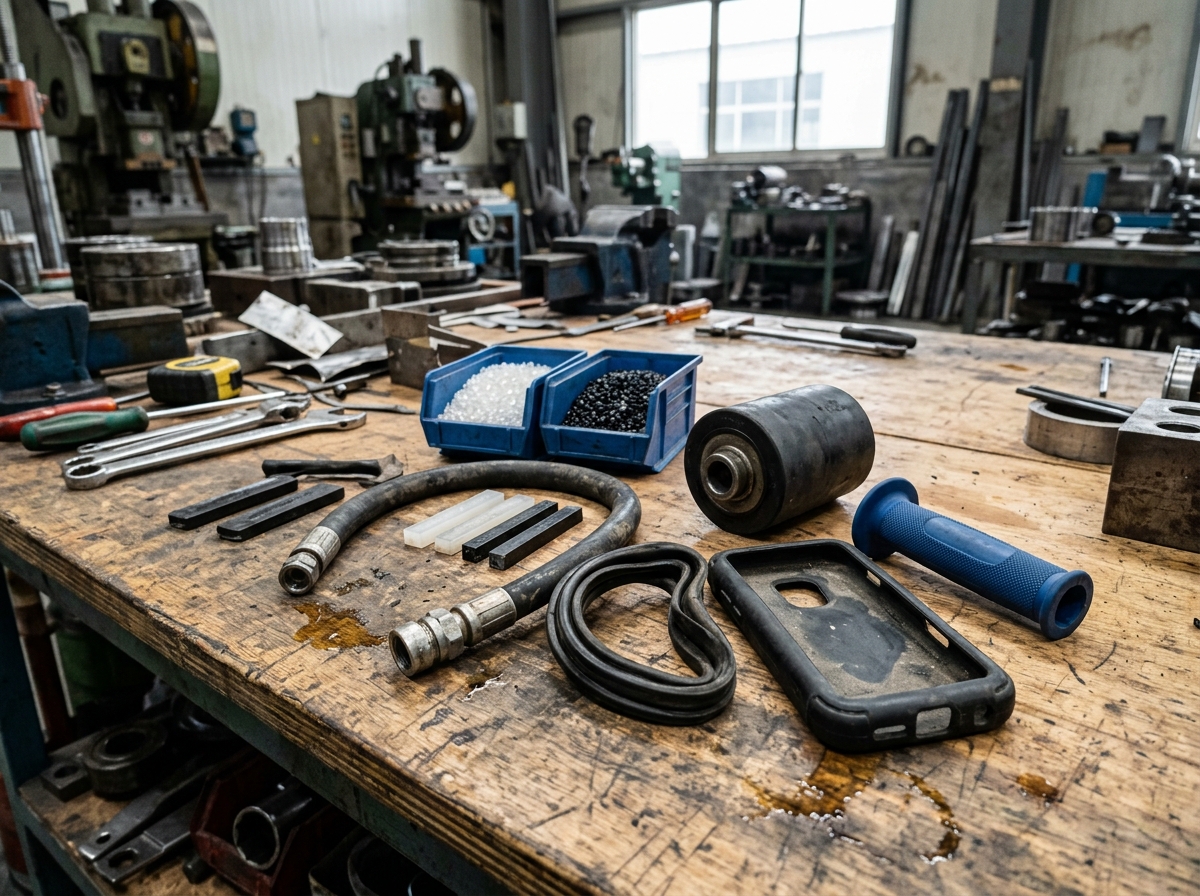
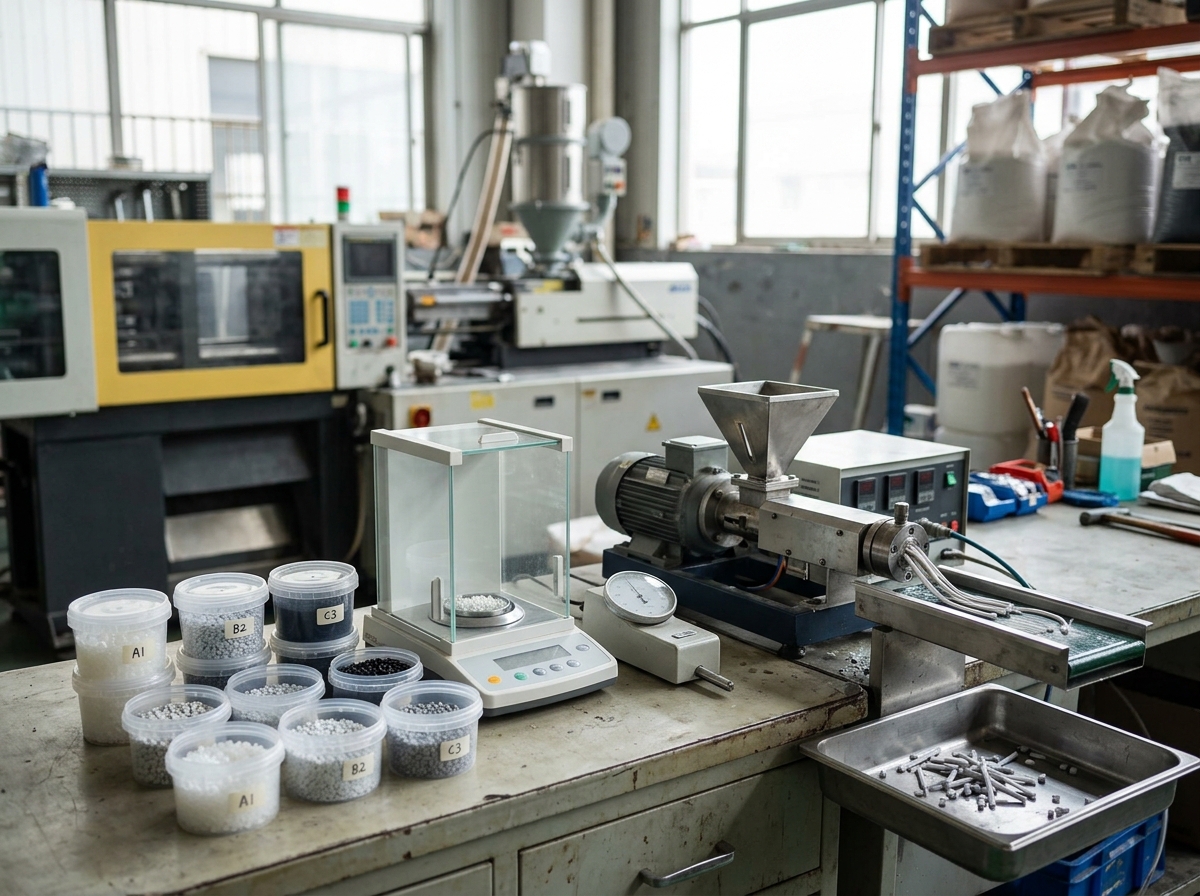
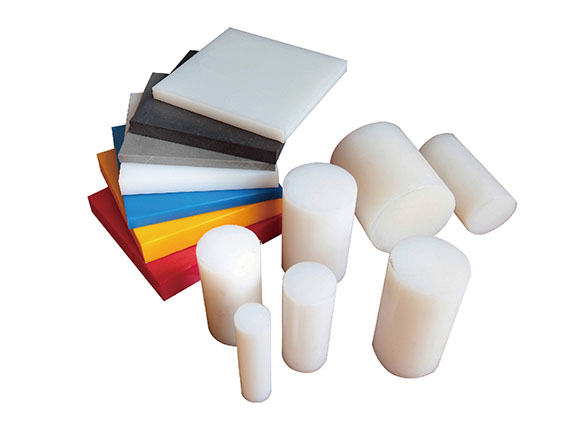
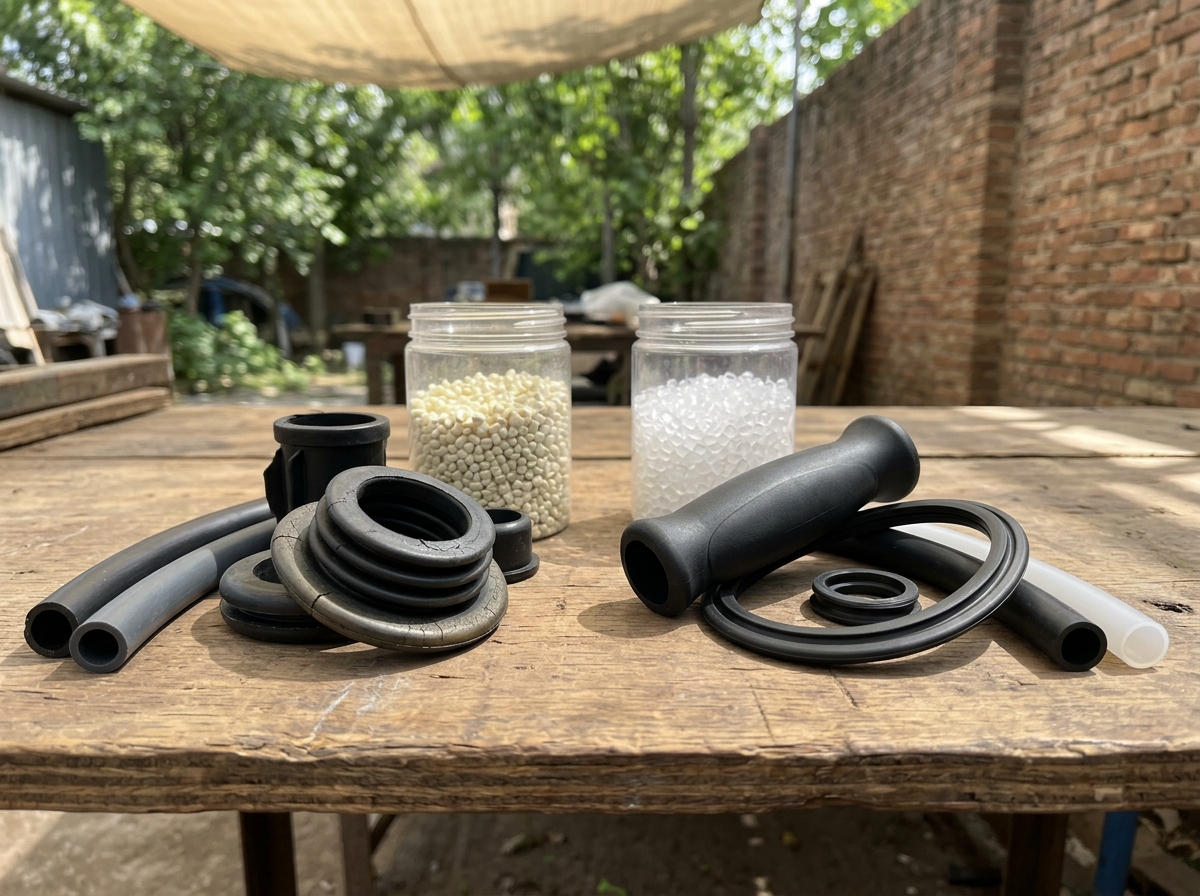

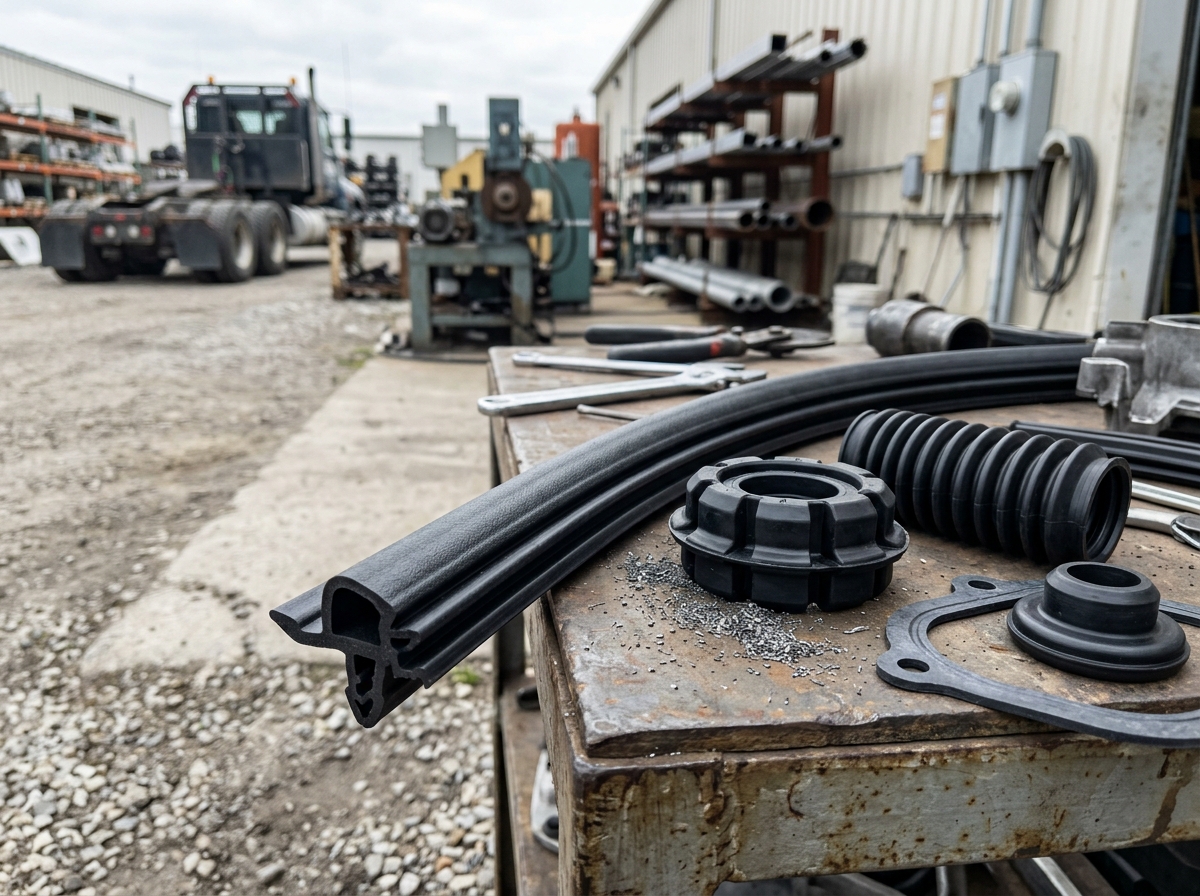

For TPU material, the best wear-resistant and oil-resistant products are usually TPU compounds formulated for abrasion-heavy, lubricant-exposed, or industrial-use parts, plus compatible additives that improve surface slip, release, and processing stability without sacrificing elasticity. In practice, the right choice depends on hardness, hydrolysis resistance, compression set, and the exact oil chemistry involved. TPU already performs well in abrasion and fuel/oil contact compared with many common elastomers, but the most reliable solution is to match the grade to the use case: footwear soles, cable jackets, seals, hoses, rollers, and industrial covers all need different balances of wear, oil resistance, and low-temperature flexibility. For B2B sourcing, the safest path is to evaluate compound data, not just resin family names.
- TPU is a strong baseline for wear resistance, but oil resistance depends heavily on formulation and oil type.
- Hardness, tensile strength, abrasion loss, and compression set are more useful than generic material labels.
- For outdoor or industrial parts, oil resistance must be verified against ASTM or ISO test methods before mass production.
- Choosing between TPU, TPE, TPV, and SEBS depends on the final environment, not only on price.
TPU material is one of the most practical choices when a product must combine elasticity, abrasion resistance, and oil resistance, especially in footwear, cable jackets, seals, and industrial parts. Under standardized wear testing, TPU is often selected because abrasion performance can be measured and controlled, while oil resistance can be validated through immersion and property-retention tests such as ASTM D471 and reference methods in ISO 1817. In many industrial sourcing projects, the real challenge is not finding a TPU, but finding the right wear-resistant and oil-resistant product family for the operating temperature, lubricant exposure, and production process. For buyers comparing elastomers, the application logic often overlaps with one-stop material supply, TPU material options, TPE material solutions, and SEBS elastomer grades.
Which wear-resistant and oil-resistant TPU material products actually work best?
The best product is the one whose property balance matches the service environment, not the one with the highest headline hardness.
For most buyers, the most reliable TPU material choices fall into four practical groups: standard abrasion-focused TPU, oil-resistant TPU for industrial contact, high-hardness TPU for load-bearing surfaces, and specialty compound blends for improved processing or feel. TPU is often preferred because it can deliver a useful combination of Shore hardness, tear strength, and abrasion resistance in a single material family. In industrial terms, that makes it easier to replace multi-material assemblies with a more stable single-component solution.
| TPU product type | Typical use case | Key target property | Why buyers choose it |
|---|---|---|---|
| Abrasion-focused TPU | Shoe soles, rollers, protective covers | Wear resistance | Balances elasticity and surface durability |
| Oil-resistant TPU | Hoses, seals, industrial sheaths | Oil and grease contact performance | Helps reduce swelling and softening in service |
| High-hardness TPU | Load-bearing parts, tool accessories | Shape retention | Improves compression resistance and dimensional stability |
| Specialty compound TPU | OEM parts, custom industrial components | Processability + property tuning | Supports color, feel, and batch consistency |
For footwear buyers, the important question is usually whether the sole or midsole will maintain grip and surface integrity after repeated flexing and oil exposure. For industrial buyers, the priority is often whether the part can survive lubricant mist, machine oil splash, and repeated contact without cracking or losing dimensions. For these situations, TPU generally outperforms many softer TPE systems in surface durability, while still offering injection molding and extrusion compatibility.
When the application is closer to automotive or equipment sealing, it is also useful to compare TPU with TPV. TPV is typically chosen when heat aging, weathering, and dynamic fatigue dominate the requirement set, while TPU is often stronger when wear, flex, and oil exposure are the main concerns. That is why product selection should start from the failure mode you want to avoid.
Why TPU material is often preferred for wear resistance and oil resistance
TPU material is favored because it can be engineered to resist surface damage while still remaining elastic enough for repeated deformation.
TPU, or thermoplastic polyurethane, is widely used in applications where both resilience and durability matter. Its hard and soft segment structure gives it a tunable balance of toughness and flexibility, which is why it appears in conveyor components, cable jackets, footwear outsoles, seals, and industrial protectors. In wear testing, that balance matters because abrasion resistance is not only about surface hardness; it is also about energy dissipation during repeated sliding and impact.
For oil resistance, TPU generally performs better than many standard rubber-like materials when exposed to fuels, lubricants, and hydraulic fluids, but the actual result depends on the chemical nature of the oil and the formulation of the TPU. Some oils cause swelling, while others mainly affect tensile strength or elongation. That is why a serious supplier should provide test data from immersion or retention testing, not only a sales brochure.
According to the ASTM D471 immersion framework, changes in mass, volume, hardness, tensile strength, and elongation are evaluated after exposure to liquids. ISO 1817 uses a similar logic for rubber and elastomeric products. In procurement language, this means a TPU that “looks good” in a catalog may still fail if the wrong lubricant chemistry is involved.
| Property | Why it matters | Typical buyer concern | Test reference |
|---|---|---|---|
| Abrasion resistance | Controls surface wear and service life | How fast does the part lose thickness? | ISO 4649 / ASTM D5963 |
| Oil resistance | Controls swelling and softening | Will contact fluid deform the part? | ASTM D471, ISO 1817 |
| Hardness | Relates to shape retention and feel | Is the part too soft or too brittle? | ISO 7619-1 / ASTM D2240 |
| Tensile and elongation | Indicates mechanical robustness | Will the part tear under repeated stress? | ASTM D412 / ISO 37 |
For B2B buyers, the practical takeaway is simple: the best TPU material is the one that shows stable property retention after the relevant oil exposure and wear cycle, not the one with the highest nominal technical value.
How to compare TPU material with TPE, TPV, and SEBS for industrial use
TPU is usually the better choice when wear and oil contact are both critical, while TPV and SEBS solve different problems.
TPE is the broad family term, but buyers rarely purchase the word “TPE” alone. They purchase a compound that solves a specific performance problem. TPV is often stronger in heat resistance, weatherability, and dynamic fatigue, which makes it attractive for automotive sealing and industrial seals. SEBS generally offers better weathering stability and softer touch than SBS, so it is common in premium soft-feel products and applications that need more environmental stability. TPU, by contrast, is the more natural fit when abrasion and oil resistance are central requirements.
| Material | Typical strength | Main limitation | Best-fit scenario |
|---|---|---|---|
| TPU | Wear resistance, oil resistance, elasticity | Hydrolysis sensitivity varies by grade | Footwear, cables, industrial parts |
| TPV | Heat aging, weatherability, fatigue | May be less ideal for severe abrasion | Automotive seals, industrial gaskets |
| SEBS | Soft touch, weather stability | Oil resistance depends on formulation | Premium consumer products, soft-touch parts |
| TPE | Processing flexibility | Performance depends on sub-family | General molded and extruded products |
That comparison matters because sourcing teams often over-focus on material family names and under-focus on the actual failure mode. If the main risk is wear from repeated friction, TPU is frequently the stronger candidate. If the main risk is hot engine-bay aging or long-term outdoor exposure, TPV may be the more rational choice. If the main goal is a comfortable soft-touch surface with moderate environmental stability, SEBS can be more suitable.
In one common industrial scenario, a buyer wants a flexible cover that is exposed to machine oil and frequent hand contact. A standard soft TPE may feel good, but it can lose surface integrity faster. A TPU compound with verified oil resistance and abrasion data is often a better long-term choice, even if the unit price is slightly higher.
What quantitative data should you ask for before buying TPU material?
Good TPU sourcing depends on measurable data, not descriptive claims.
Before approving a TPU material for wear-resistant and oil-resistant products, request a data sheet that includes hardness, density, tensile strength, elongation, abrasion loss, compression set, and liquid resistance. If the supplier cannot provide test conditions, the number is hard to trust. The most useful numbers are those tied to a recognized method and a clearly stated condition such as temperature, immersion time, and fluid type.
For example, ASTM D471 does not just say “oil resistance”; it measures property changes after immersion. ISO 1817 follows a similar logic. ISO 4649 and ASTM D5963 are used to evaluate abrasion loss. These standards matter because two TPU grades may both claim “high wear resistance,” yet one may be tested under completely different conditions.
| Data point to request | Why it matters | Preferred format |
|---|---|---|
| Hardness | Defines stiffness and feel | Shore A or Shore D with test method |
| Abrasion loss | Predicts service life | mm3 or mass loss with test standard |
| Tensile strength | Indicates load-bearing capacity | MPa with specimen condition |
| Elongation at break | Shows stretch and tear tolerance | % with standard method |
| Oil immersion change | Confirms compatibility with fluids | % change in mass, volume, hardness |
For context, Shore hardness scales are widely used across elastomers and plastics, and they are only meaningful when the exact scale is stated. A TPU grade labeled “85A” is not directly comparable to a “75D” grade without understanding the application geometry and load profile. That is why buying decisions should be based on a test matrix rather than a single spec line.
The most practical sourcing question is: does the supplier show stable performance after the exact oil, temperature, and abrasion conditions your product will face in the field?
Where wear-resistant and oil-resistant TPU products are used in real projects
TPU material performs best when the product faces repeated friction, contact stress, or oily environments.
In footwear, TPU outsoles and heel components are valued because they can combine grip, toughness, and abrasion resistance. In cable protection, TPU jackets are often selected because they can resist scuffing during bending and dragging while maintaining flexibility. In industrial systems, TPU is used for seals, rollers, tubing, and protective covers that may contact lubricants or light oils. These applications all benefit from the same core logic: the part must keep working after repeated mechanical and chemical stress.
For OEM buyers, the value of TPU is not just its material performance. It is also its processing window. TPU is compatible with injection molding and extrusion, which supports stable mass production when the supplier controls drying, melt temperature, and mold design carefully. That is one reason TPU often appears in high-volume manufacturing chains where both repeatability and appearance matter.
In purchasing terms, the best wear-resistant and oil-resistant product is often the one that minimizes quality drift across batches. A small shift in formulation can change hardness, flow, and oil response. So for export-oriented programs, batch consistency is as important as nominal performance.
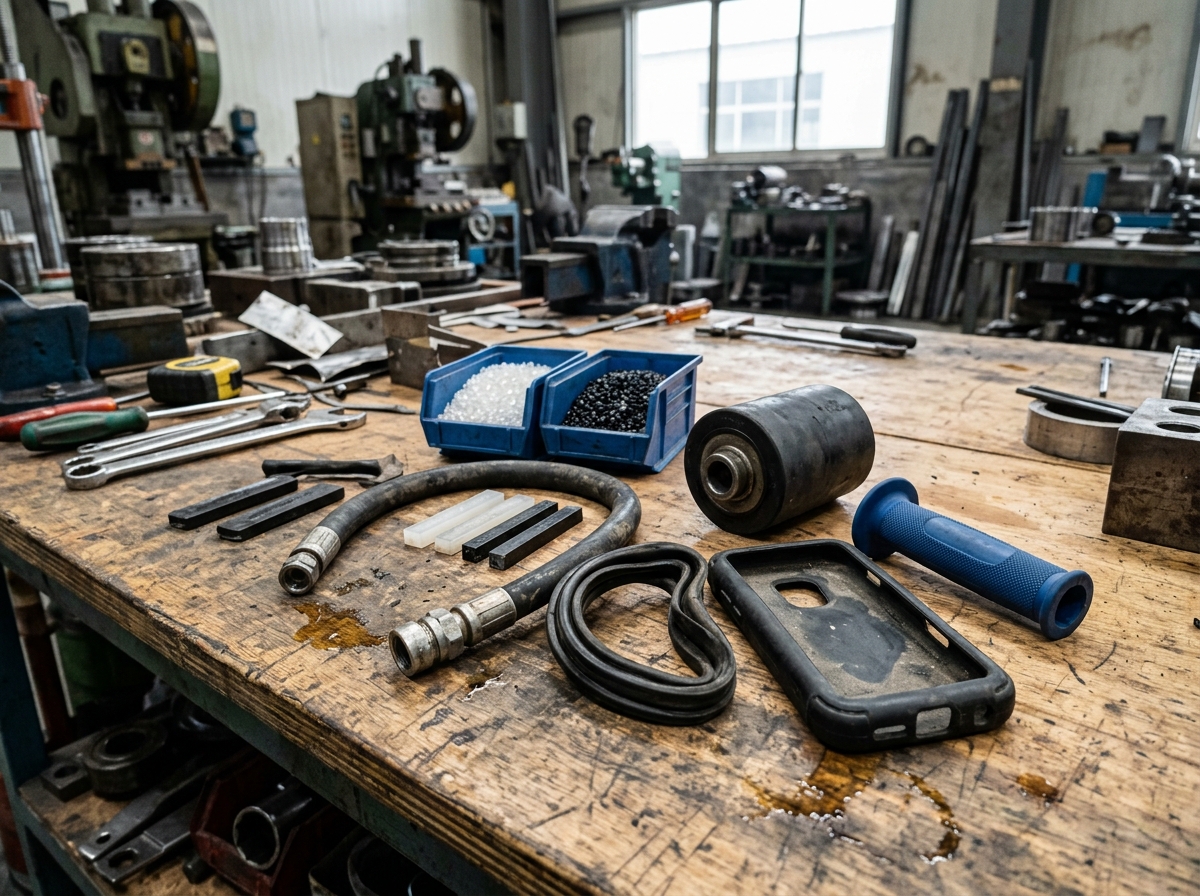
- Define the oil type, contact time, and operating temperature.
- Specify the wear mode: sliding, rolling, impact, or flexing.
- Request standardized abrasion and immersion data.
- Test prototypes under real production and field conditions.
- Lock the approved grade, color, and processing parameters before scaling.
How to choose the right TPU material grade without overpaying
The lowest price is rarely the lowest total cost when wear and oil resistance affect product life.
A good selection process starts with the end-use environment. If the product is a shoe sole, abrasion and grip will dominate. If it is a cable jacket, flex-crack resistance and scuff resistance matter more. If it is an industrial gasket or protective cover, oil contact, compression set, and heat aging may be more important than surface feel. This is why one universal TPU grade rarely works for every market.
Buyer teams should also consider hydrolysis risk, especially for humid or warm environments. Some TPU chemistries are more resistant than others, so the supplier should clarify whether the grade is polyester-based or polyether-based and how that affects moisture exposure. That distinction can influence durability in storage and use.
Another practical decision factor is hardness. A softer TPU can improve grip and comfort, but it may sacrifice shape retention under load. A harder TPU often resists deformation better, but it may feel less comfortable or require more careful molding to avoid brittle edges. The ideal grade sits at the intersection of use-case comfort and long-term mechanical stability.
- Use higher wear-resistance TPU for sliding or dragging surfaces.
- Use oil-resistant TPU when lubricant splash or contact is expected.
- Use harder TPU when load retention and edge stability matter.
- Use customized compounds when color, feel, or flow behavior is critical.
If you are comparing suppliers, ask whether they can tailor hardness, color, processing stability, and performance targets in one compound. That is often the difference between a generic resin source and a reliable OEM material partner.
What does the testing workflow look like for TPU material selection?
The best TPU projects use a validation workflow that mimics the real application.
A credible testing plan begins with baseline physical properties, then moves to abrasion, oil immersion, and aging tests. In simple terms, you want to know how the TPU behaves before exposure, immediately after exposure, and after repeated cycles. This approach is especially important for industrial buyers because a material that passes a short test may still fail after longer service.
Typical workflow:
- Confirm the target hardness and mechanical range.
- Run abrasion testing using ISO 4649 or ASTM D5963.
- Run liquid compatibility testing using ASTM D471 or ISO 1817.
- Check dimensional stability after heat and fluid exposure.
- Verify color stability, surface feel, and appearance consistency.
For production buyers, this workflow reduces the risk of costly rework. It also creates a stronger technical basis for negotiations because the acceptance criteria are documented in measurable terms. That is especially useful in cross-border sourcing, where communication gaps often lead to incorrect assumptions about “oil resistance” or “wear resistance.”
According to the U.S. National Institute of Standards and Technology, measurement traceability and controlled test methods are essential for reliable material qualification. In procurement practice, that means the supplier should show not only a number, but also the standard and the conditions under which it was produced.
Which TPU material products are best for different end markets?
The answer depends on whether the market values durability, comfort, or chemical resistance most.
For footwear, the best TPU product is usually one that combines abrasion resistance, flex durability, and good appearance retention. For cable and wire applications, the priority shifts to scuff resistance, flex life, and stable processing. For industrial machine parts, oil resistance and compression behavior become more important. For consumer products, touch feel and surface quality may matter more than absolute mechanical maximums.
That is why a single TPU grade seldom serves all markets equally well. A sourcing strategy should define the application first and the material second. This is the most efficient way to avoid over-engineering or under-specifying the product.
| End market | Top priority | Secondary priority | Common failure risk |
|---|---|---|---|
| Footwear | Abrasion resistance | Flex comfort | Outsole wear and loss of traction |
| Cable jackets | Scuff resistance | Flexibility | Jacket cracking and surface damage |
| Industrial seals | Oil resistance | Compression stability | Swelling and sealing loss |
| Protective covers | Tear resistance | Shape retention | Edge damage and deformation |
If your product will be exported, also consider regional compliance and documentation needs. Buyers often ask for repeatable test results, lot traceability, and clear COA formats. These are not just paperwork items; they reduce disputes and support long-term customer confidence.
FAQ
What is the best TPU material for wear resistance?
The best choice is usually a TPU grade with verified abrasion-loss data under a recognized method such as ISO 4649 or ASTM D5963. The exact grade depends on hardness, load, and surface contact type.
What is the best TPU material for oil resistance?
The best choice is a TPU compound tested against the specific oil or lubricant used in the application. ASTM D471 and ISO 1817 are the most relevant references for checking property changes after immersion.
Is TPU better than TPE for wear resistance?
In many cases, yes. TPU is often preferred when surface durability and repeated friction are critical, while generic TPE performance depends heavily on the specific sub-family and formulation.
Is TPU better than TPV for oil resistance?
Not always. TPV is often chosen for heat and weather exposure, while TPU can be stronger when wear and oil contact are the main concerns. The right choice depends on the failure mode.
What TPU hardness is best for industrial parts?
There is no universal best hardness. Softer TPU improves flexibility and grip, while harder TPU improves shape retention and load stability. The right range depends on the geometry and service stress.
How do I verify a supplier’s TPU performance claims?
Ask for test reports with method, condition, and result: hardness, abrasion loss, tensile strength, elongation, and liquid immersion data. Without the test method, the number is difficult to compare.
Can TPU be customized for specific wear and oil resistance targets?
Yes. TPU compounds are often customized by adjusting hardness, additives, color, and processing parameters to meet a specific OEM requirement, provided the target test data is clearly defined.