






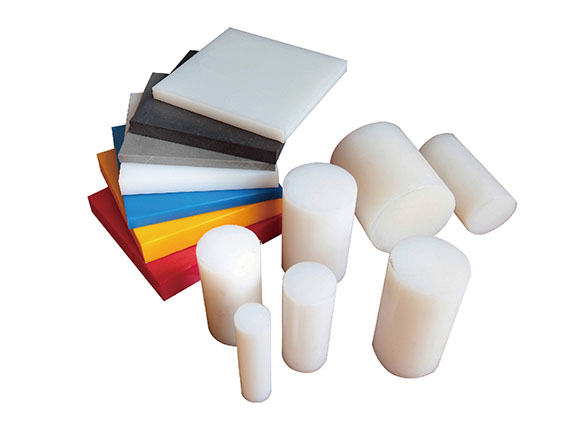
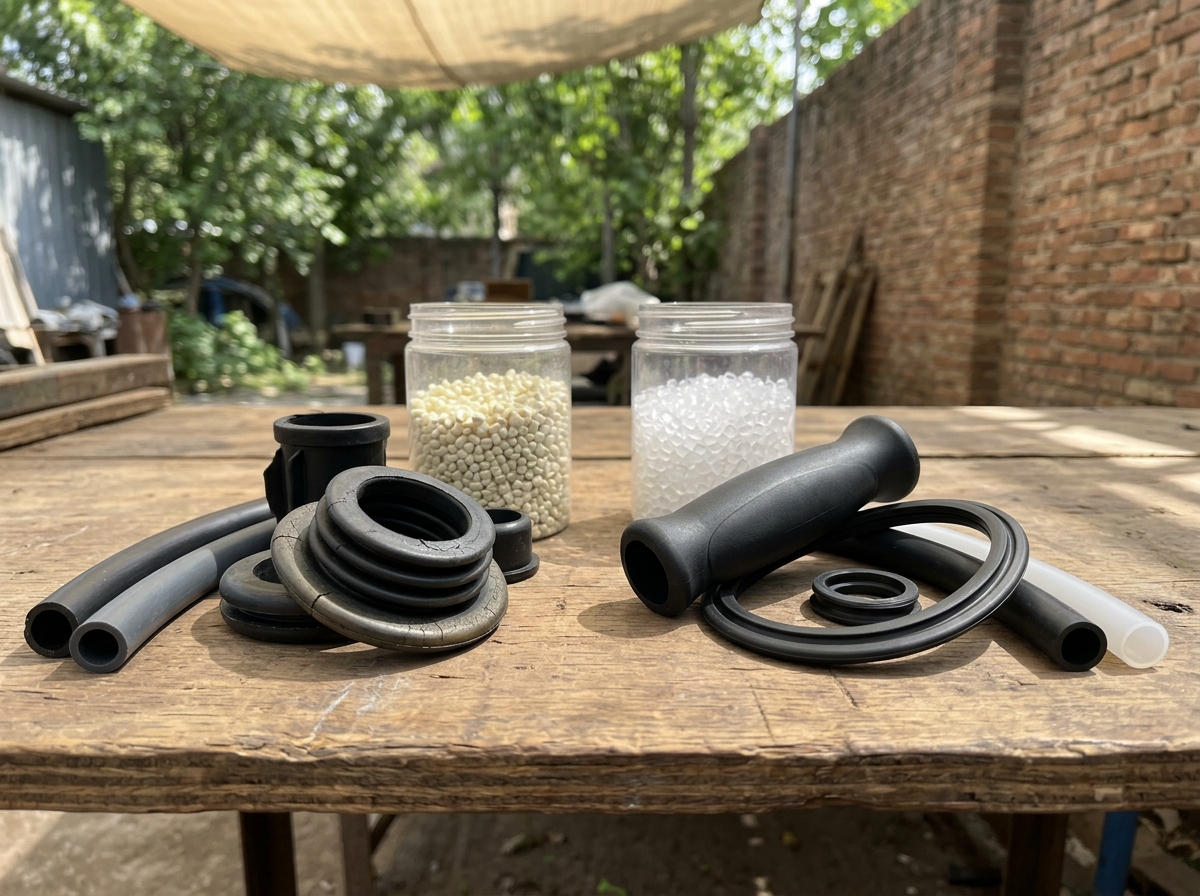

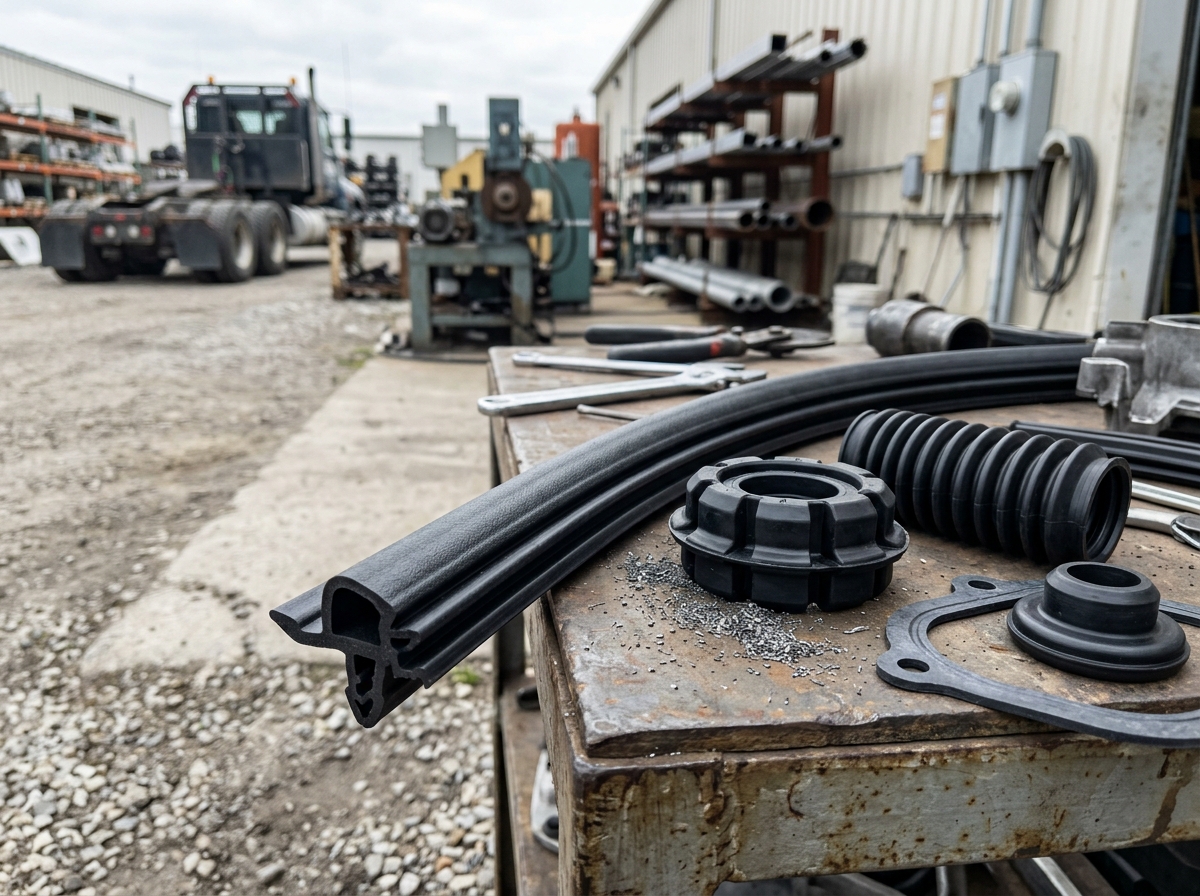

Foaming masterbatch is becoming popular in lightweight products because it helps manufacturers reduce density without redesigning the entire part, which lowers material use, can improve dimensional efficiency, and supports lighter end-use products in packaging, automotive interiors, footwear, and consumer goods. In practical terms, foam-assisted formulations can reduce part weight while preserving useful stiffness or feel, especially when the base polymer is chosen correctly and the cell structure is controlled. This matters most when buyers need cost pressure relief, lower shipping weight, or a more efficient balance between performance and material consumption. For B2B buyers, the real value is not just “less plastic,” but a tunable process tool for density reduction, cycle optimization, and product differentiation.
- Foaming masterbatch is popular because density reduction directly supports lightweight design and material savings.
- Successful use depends on resin selection, cell control, and processing window, not only on dosage.
- Lightweight products often benefit from foaming in packaging, automotive trim, footwear, and consumer parts.
- Standards and test methods matter: density, tensile properties, and shrinkage should be verified before scale-up.
Foaming masterbatch is gaining attention in lightweight products because it addresses one of the most expensive realities in manufacturing: every gram matters. In many polymer systems, controlled foaming can reduce density while keeping the part functional, which is why it is increasingly discussed alongside foaming masterbatch, TPE, and engineering plastics in lightweight design projects. For reference, ASTM D792 is the standard test method commonly used to determine density and specific gravity of plastics, making it a practical checkpoint when evaluating density reduction claims; see ASTM D792. In lightweight product development, the question is not whether foaming works, but when it delivers enough weight reduction, surface quality, and cost balance to justify adoption.
Why foaming masterbatch matters in lightweight products
Foaming masterbatch matters because it converts material efficiency into a design advantage. By creating microcellular structures inside a polymer melt, it lowers apparent density and can reduce resin consumption per part. That is especially valuable in markets where shipping cost, part weight, and material price are all under pressure.
The strongest business case appears when a product needs to be lighter but not “flimsy.” In packaging, lighter parts can reduce resin use and freight load. In automotive interiors, lightweighting can support energy-efficiency targets and lower handling weight. In footwear, foam structures can improve comfort and reduce mass. In consumer goods, the same approach can make a product feel easier to use while maintaining acceptable durability.
| Application | Why foaming masterbatch helps | Typical evaluation metric | Common test method |
|---|---|---|---|
| Packaging | Lower material consumption and shipping weight | Density, stiffness retention | ASTM D792, ASTM D638 |
| Automotive interiors | Weight reduction with acceptable surface and feel | Dimensional stability, shrinkage | ISO 294-1, ASTM D955 |
| Footwear | Lighter midsole and improved comfort balance | Compression set, resilience | ASTM D395, ASTM D3574 |
| Consumer products | Reduced perceived bulk and better ergonomics | Weight, tactile quality | ASTM D792, internal QA |
Density reduction becomes commercially meaningful when it reduces resin use without creating hidden losses in yield, cosmetic quality, or assembly reliability. That is why engineers often compare foamed and non-foamed versions using the same mold, same line speed, and the same quality plan before approving scale-up.
How foaming masterbatch works in polymer processing
Foaming masterbatch works by releasing gas or supporting gas cell formation during melt processing so the polymer expands in a controlled way. The result is a cellular structure that replaces part of the solid material volume with microvoids. If the cell size is too large or uneven, the part can lose strength or show sink, warp, or surface defects. If the cell structure is too fine and stable, the product can retain a better balance of weight reduction and appearance.
The practical process window depends on resin type, temperature profile, shear, screw design, die geometry, and dosage. In injection molding, foaming often requires tighter control of melt temperature and pressure drop. In extrusion, stable output and good nucleation help produce more uniform foam structure. This is why the same foaming masterbatch can perform differently across TPE, TPO, PP, and other polymer systems.
| Process factor | Why it matters | Typical risk if uncontrolled | What to monitor |
|---|---|---|---|
| Melt temperature | Controls gas release and cell growth | Collapse, large cells, odor | Temperature profile |
| Pressure drop | Triggers expansion at the right moment | Uneven expansion, surface defects | Die or gate pressure |
| Dosage | Influences density reduction level | Over-foaming, brittleness | Masterbatch ratio |
| Cooling rate | Locks the foam structure in place | Warping, shrink variation | Cycle time and mold cooling |
For quality control, many manufacturers rely on measurable output rather than visual judgment alone. Density, tensile strength, flexural modulus, shrinkage, and surface quality should be checked together because a lower density number alone does not prove product success.
Why density reduction is the core buying reason
Density reduction is the core buying reason because it directly connects material science to cost and logistics. A lighter product can reduce resin usage, lower shipping mass, and sometimes improve user comfort. In B2B purchasing, this is attractive because it converts a polymer additive into a quantifiable business lever.
However, density reduction is only valuable when performance remains acceptable. A 20% lighter part that fails in assembly or deforms in storage is not a real saving. Buyers should therefore ask three questions: how much weight is reduced, which properties remain stable, and what process changes are required to achieve the result.
The density discussion should also be tied to formal testing. ASTM D792 provides a method for density and specific gravity measurement, while ISO 527-1 is widely used for tensile testing of plastics; see ISO 527-1. If a supplier claims substantial density reduction, the buyer should request both density data and mechanical retention data from the same test lot.
Where foaming masterbatch is most useful in lightweight products
Foaming masterbatch is most useful in lightweight products where cost, comfort, or logistics are directly affected by mass. It is not a universal solution, but it performs especially well in applications that tolerate some internal cellular structure and can benefit from a lower material footprint.
- Packaging components where freight efficiency and material use are key
- Automotive interior parts where weight reduction supports broader lightweighting goals
- Footwear midsoles and cushioning parts where low density improves feel
- Consumer housings and handles where ergonomics matter
- Industrial covers and non-structural parts where appearance and cost must stay balanced
In these categories, the best results come from matching the masterbatch to the base resin. For example, TPO often suits cost-sensitive lightweight applications, while TPE or SEBS-based systems may be chosen when softness, recovery, or tactile quality matters more. For readers comparing elastomer options, see TPO materials and SEBS materials.
Foaming masterbatch vs solid formulation: a practical comparison
The right choice depends on whether the product is judged mainly by weight, strength, appearance, or cost. Foamed parts usually win on density reduction, while solid parts often win on stiffness, surface consistency, and simpler process control.
| Criterion | Foaming masterbatch formulation | Solid formulation | Decision note |
|---|---|---|---|
| Density | Lower | Higher | Foaming is preferred when mass reduction matters |
| Material consumption | Reduced | Baseline | Direct savings can be significant in high-volume production |
| Surface appearance | Needs tighter control | Usually easier | Solid parts are safer for glossy cosmetic surfaces |
| Process sensitivity | Higher | Lower | Foaming requires stable molding or extrusion conditions |
| Comfort or soft feel | Often improved | Depends on resin | Useful in footwear and consumer grip parts |
This comparison explains why foaming masterbatch is not replacing solid polymer across the board. Instead, it is becoming a targeted design tool for products where lightweighting is commercially meaningful and process stability can be controlled.
What standards and test methods buyers should request
Buyers should request data tied to recognized test methods because lightweight claims without test context are hard to compare. The most useful data set usually includes density, tensile performance, shrinkage, and thermal behavior. When a product must survive transportation, assembly, or consumer handling, test method discipline matters as much as the formulation itself.
For plastics, ASTM D792 is the standard method for density and specific gravity, ISO 527-1 covers tensile testing, and ASTM D955 is commonly used for shrinkage measurement. If a foam structure is intended for cushioning or comfort applications, ASTM D3574 is widely referenced for flexible cellular materials. These standards help buyers separate marketing claims from verifiable performance.
For technical readers, the value of standards is not academic. A density reduction claim becomes useful only when it is paired with a clear test method, sample geometry, conditioning procedure, and acceptance window. That is the difference between a promotional statement and a procurement-ready specification.

| Standard | What it measures | Why it matters for lightweight products |
|---|---|---|
| ASTM D792 | Density and specific gravity | Confirms actual density reduction |
| ISO 527-1 | Tensile test principles | Checks strength retention after foaming |
| ASTM D955 | Linear shrinkage of plastics | Important for mold fit and dimensional stability |
| ASTM D3574 | Flexible cellular material performance | Useful for cushioning and comfort parts |
When suppliers provide test data under named standards, it becomes much easier to compare grades across plants, batches, and regions. That is especially important for export-oriented buyers who must document performance for downstream customers.
How to choose the right foaming masterbatch for density reduction
The best foaming masterbatch is the one that fits the resin, process, and end-use target together. Selection should start with the base polymer, because the same additive can behave differently in PP, TPO, TPE, or engineering plastics.
- Define the target density reduction and the minimum acceptable mechanical properties.
- Confirm the base resin family and its processing window.
- Check compatibility with colorants, fillers, and other additives.
- Request density, tensile, shrinkage, and appearance data from the supplier.
- Run a pilot trial under the same machine and mold conditions intended for production.
For buyers in polymer sourcing, the right decision often depends on the surrounding material system. A one-stop supplier model can help reduce procurement fragmentation, especially when a project combines foaming masterbatch with silicone masterbatch, TPE, or engineering plastics. For related material categories, see silicone masterbatch and polymer materials.
Common mistakes that limit lightweighting results
The most common mistake is treating foaming masterbatch like a universal shortcut. Lightweight products only succeed when the part design, resin selection, and process settings are aligned.
- Using too much additive and causing brittle parts or unstable cells
- Ignoring mold venting or die stability, which can trap gas and harm appearance
- Testing density alone without checking strength or shrinkage
- Choosing a resin that cannot support the needed cell structure
- Scaling up before pilot data is repeatable across batches
Another frequent error is failing to define the acceptance criteria in measurable terms. If the target is merely “lighter,” the project is hard to control. If the target is “10% lower density with no visible sink and at least 90% tensile retention,” the development process becomes much more practical.
Why foaming masterbatch is becoming popular now
Foaming masterbatch is becoming popular now because lightweighting is no longer a niche requirement. It is tied to shipping costs, material efficiency, consumer preference, and sustainability reporting. At the same time, process control has improved enough that more manufacturers can achieve consistent results without major equipment changes.
This trend also aligns with broader material strategy. Buyers increasingly want products that are lighter, easier to transport, and competitively priced, but they still expect stable quality and clear documentation. That is why density reduction has moved from a technical curiosity to a practical purchasing criterion.
For sourcing teams, the key lesson is simple: foaming masterbatch is valuable when it turns weight reduction into a measurable, repeatable part of product performance. The winning projects are the ones that connect polymer selection, process control, and standard-based testing from the start.
FAQ
What is foaming masterbatch used for in lightweight products?
It is used to reduce density, lower material consumption, and make parts lighter while keeping acceptable performance for the intended application.
Does foaming masterbatch always reduce cost?
Not always. It usually lowers resin usage, but the final economics depend on scrap rate, cycle time, appearance yield, and process stability.
Which industries use foaming masterbatch the most?
Packaging, automotive interiors, footwear, and consumer products are among the most common users because they benefit directly from weight reduction.
How do you verify density reduction?
Use a recognized method such as ASTM D792 and compare foamed and non-foamed parts under the same conditioning and sampling rules.
What properties should be checked besides density?
Tensile strength, shrinkage, dimensional stability, surface quality, and sometimes compression performance or resilience, depending on the product.
Is foaming masterbatch suitable for rigid or soft polymers?
It can be used in both, but the best formulation depends on resin type, processing conditions, and the target balance between weight and performance.
Why do buyers prefer suppliers with technical support?
Because successful lightweighting usually requires pilot trials, tuning, and batch consistency, not just a standard product catalog.