



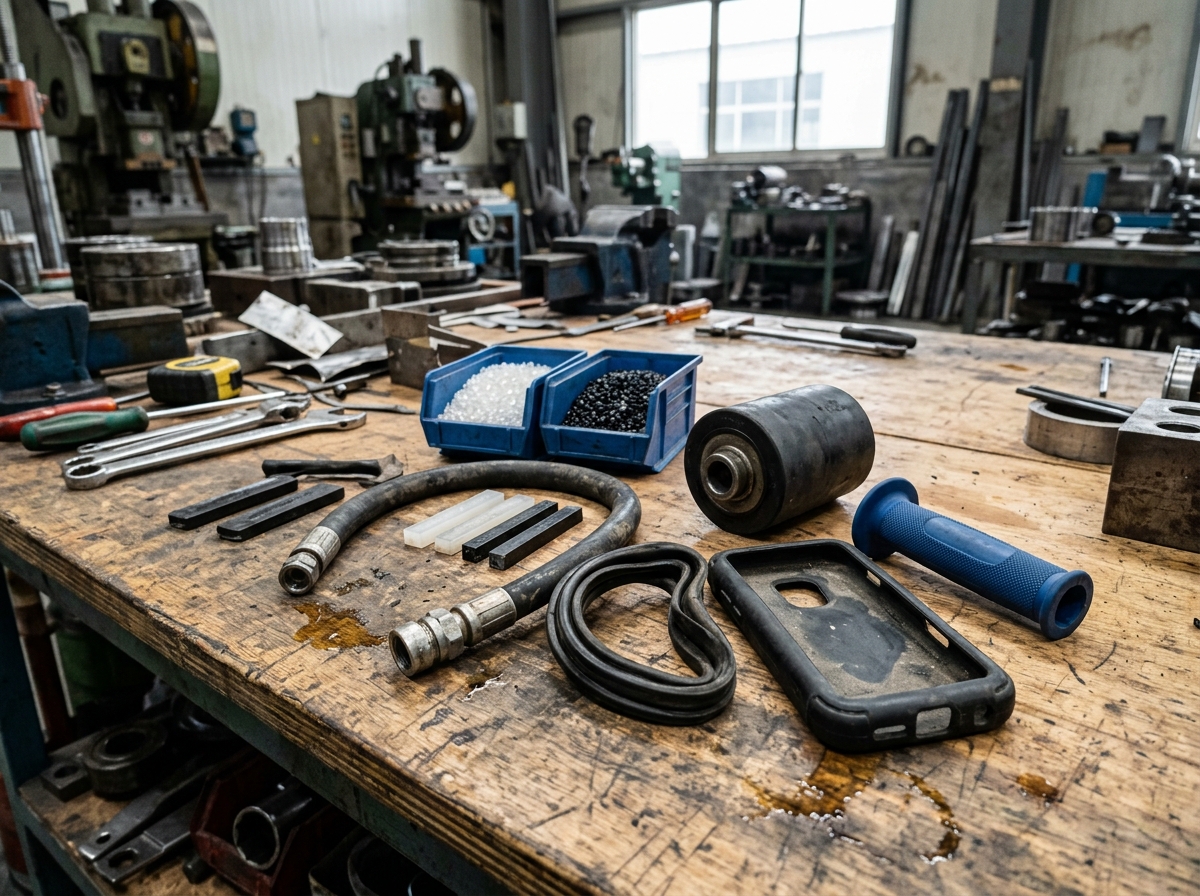
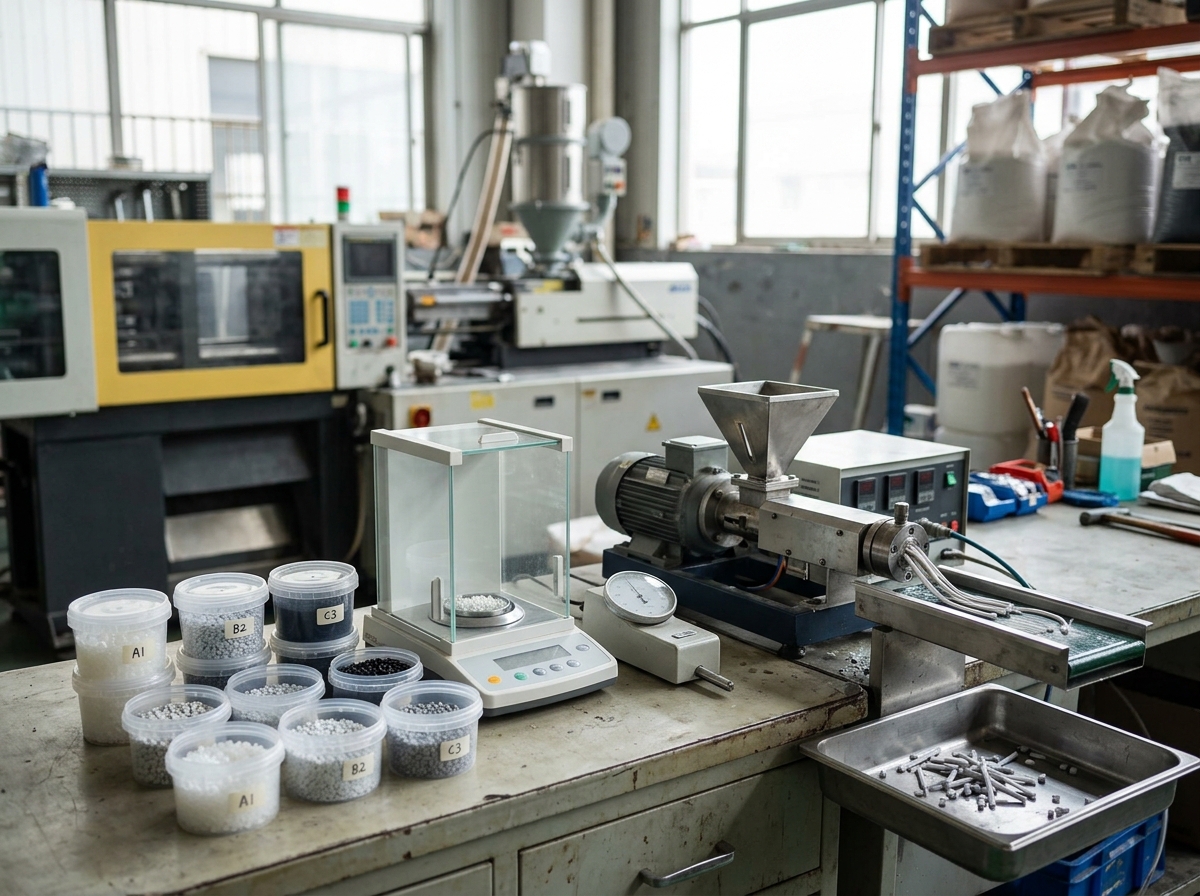
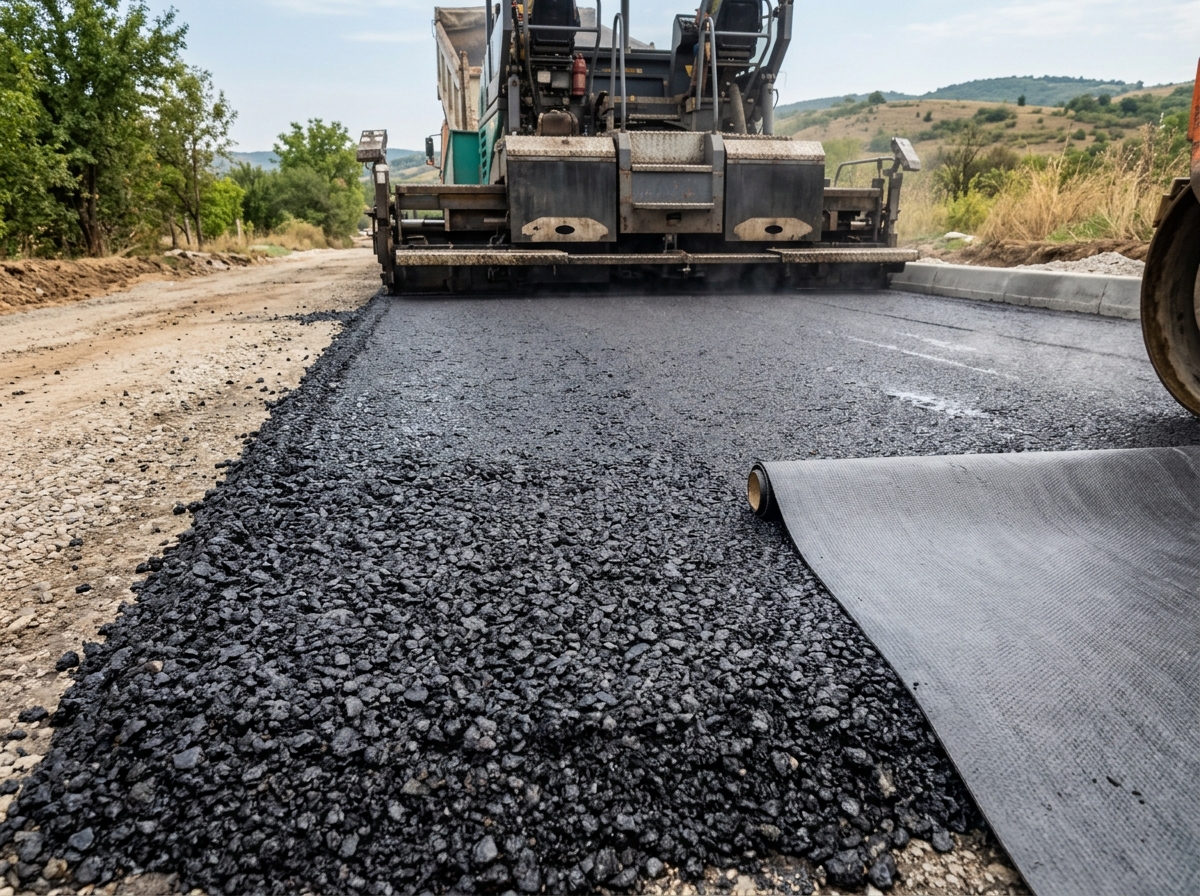
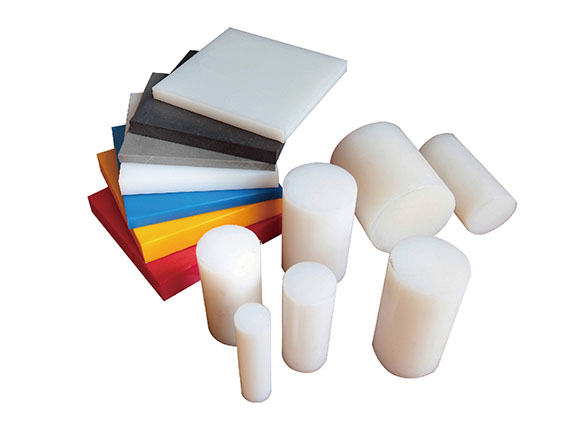
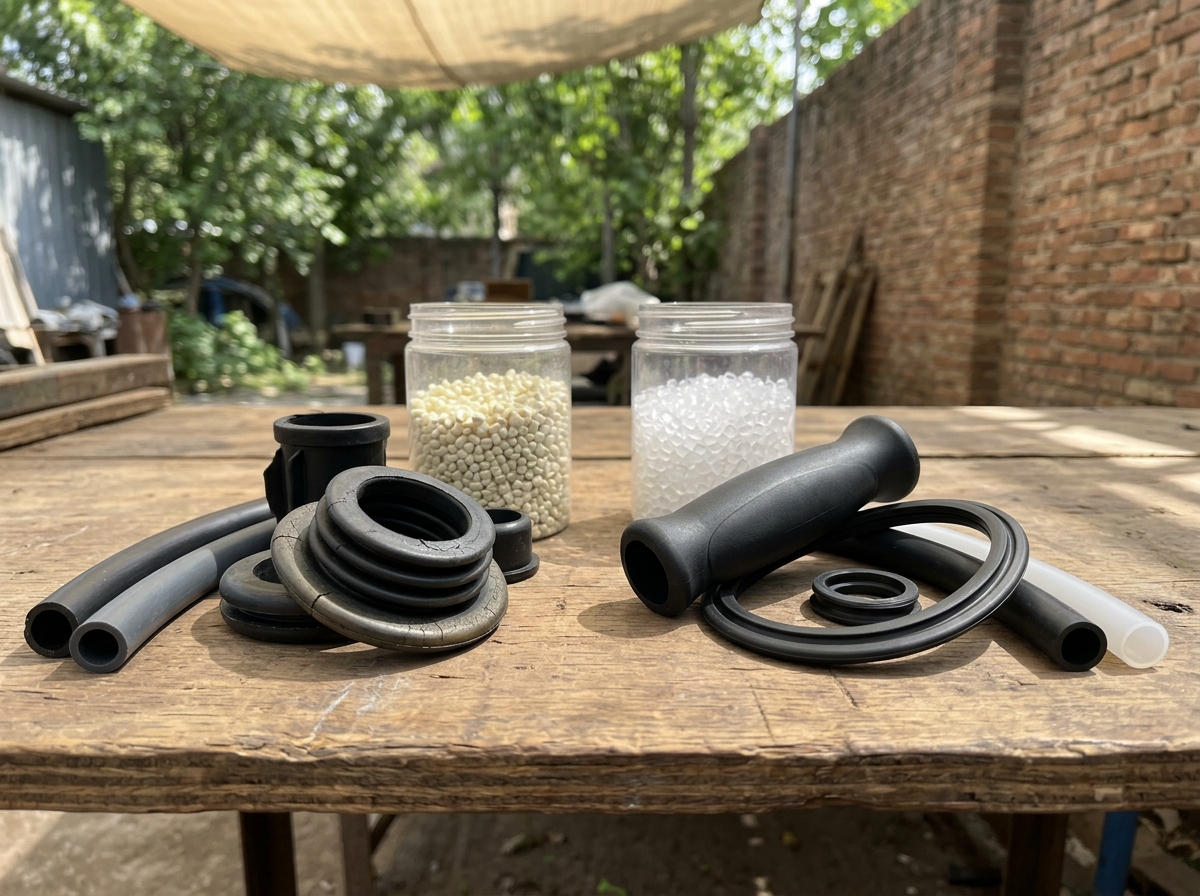

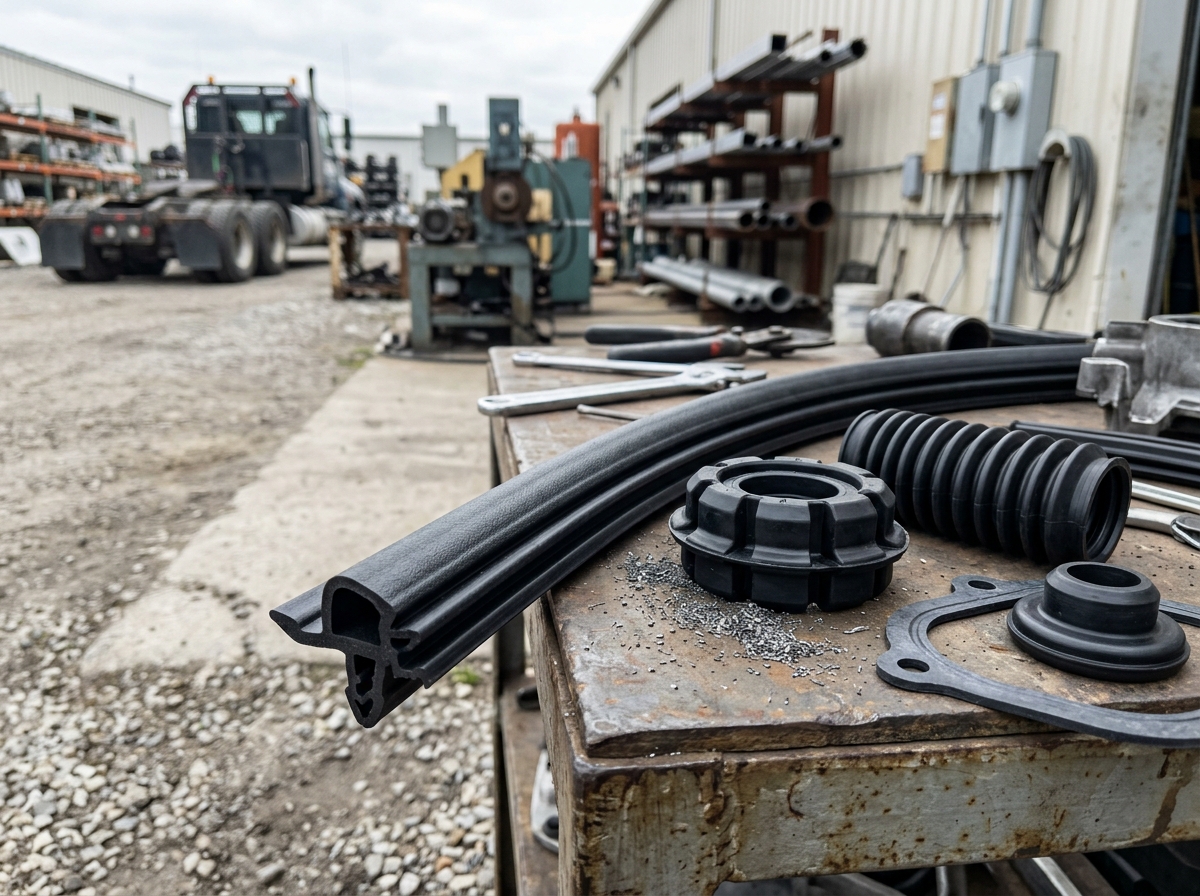
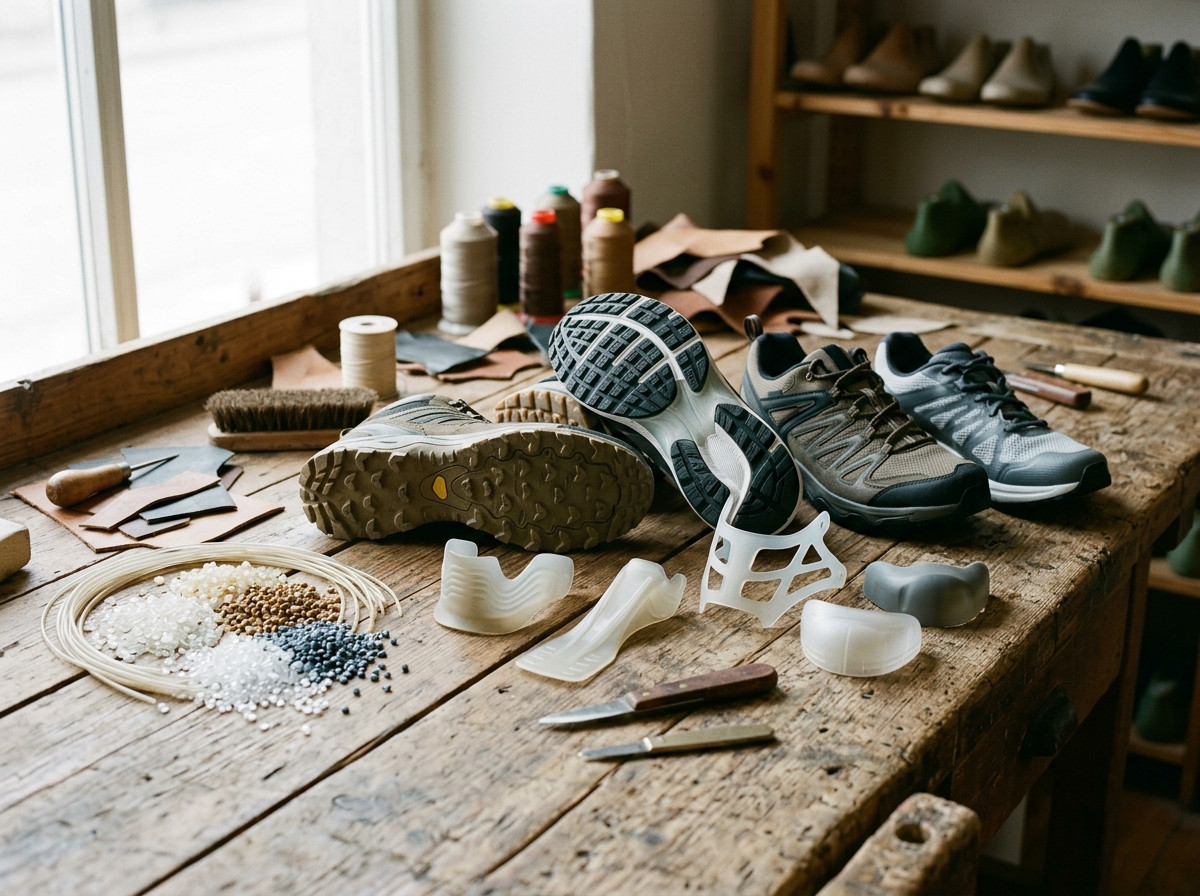
SEBS material is ideal for premium soft-touch products because it combines rubber-like elasticity with thermoplastic processability, while offering better weather resistance and stability than SBS in many outdoor or long-life applications. For brands that need a refined tactile feel, consistent color, and reliable molding performance, SEBS is often the most practical choice among thermoplastic elastomers. It is especially strong where users expect a soft surface that still resists UV exposure, oxidation, and aging. In premium consumer goods, that balance matters more than softness alone. When paired with the right formulation, SEBS can support low-odor, skin-contact-friendly, and visually clean finishes that improve perceived product quality.
- SEBS material is preferred when soft-touch products must also deliver weather resistance, stability, and durable surface feel.
- Compared with SBS, SEBS typically performs better in UV, heat, and aging resistance because it is hydrogenated.
- Successful soft-touch design depends on hardness, rebound, processing window, and batch consistency, not softness alone.
- For B2B buyers, the right SEBS grade should match the application, from grips and handles to consumer housings and premium accessories.
SEBS material has become a core choice for premium soft-touch products because it can deliver a comfortable feel without sacrificing manufacturing efficiency, and that balance is hard to achieve with traditional rubber. In practical terms, soft-touch design is not only about surface texture; it is also about weather resistance, dimensional stability, odor control, and repeatable processing. For material selection, buyers often benchmark elastomer performance against standards such as ISO 37 for tensile testing and ISO 868 for Shore hardness measurement, because tactile quality must be translated into measurable properties.
For teams evaluating supply options, SEBS is often compared with related polymer families such as TPE materials, TPU grades, and SBS elastomers, because the final choice depends on whether the product needs a softer hand feel, better abrasion resistance, or stronger weather resistance. The product structure and sourcing model also matter, which is why many buyers prefer a stable one-stop material partner that can support formulation, color matching, and long-term supply consistency.
Why SEBS Material Works So Well for Premium Soft-Touch Products
SEBS material works well for premium soft-touch products because its hydrogenated structure improves resistance to heat, oxygen, ozone, and UV exposure compared with SBS-based systems. That matters for products that are touched every day, carried outdoors, or expected to keep their surface quality after repeated handling. In consumer perception, a surface that feels soft but ages quickly loses its premium value fast.
The key advantage is not just softness. SEBS can be formulated to achieve a broad hardness window, stable coloration, and low surface tack depending on oil type, filler loading, and process conditions. For brands building premium grips, housings, wearables, cosmetic accessories, or lifestyle products, this flexibility allows the material to be tuned to the actual user experience instead of forcing the design around material limitations.
| Property | SEBS typical advantage | Why it matters in soft-touch products |
|---|---|---|
| Weather resistance | Better than SBS in many outdoor uses | Supports long-term appearance and performance |
| Processing | Thermoplastic molding friendly | Suitable for injection, extrusion, and overmolding |
| Tactile feel | Soft, elastic, and customizable | Improves premium hand feel and comfort |
| Stability | Good aging and formulation consistency | Helps with batch-to-batch appearance control |
According to ASTM D412, elastomer tensile properties are evaluated under standardized conditions, which is important because premium soft-touch products often fail not because they are too hard, but because they lose elasticity, tear resistance, or recovery after repeated use. In other words, SEBS is attractive when the product needs both feel and function.
How SEBS Material Compares With SBS, TPU, and Other TPE Families
SEBS material is usually chosen over SBS when long-term durability and weather resistance are part of the specification. SBS remains widely used in adhesives, modified bitumen, and footwear-related applications, but SEBS is more suitable when the product must look and feel stable after UV exposure, heat cycling, and extended use. That makes SEBS a better fit for premium surfaces than for purely cost-driven flexibility.
TPU is a strong competitor in applications where abrasion resistance and oil resistance dominate, but TPU often feels firmer and can be less forgiving in soft, cushion-like applications. TPV is often preferred for higher heat resistance and dynamic fatigue performance, especially in automotive seals and industrial parts. By contrast, SEBS is often the more balanced choice when touch quality, softness, and environmental durability must coexist.
| Material | Main strength | Best-fit scenario | Typical limitation |
|---|---|---|---|
| SEBS | Soft touch plus weather resistance | Premium grips, surfaces, consumer accessories | Lower abrasion resistance than some TPU grades |
| SBS | Low cost and easy modification | Adhesives, modified asphalt, footwear | Weaker weathering stability |
| TPU | Wear and oil resistance | Housings, cable jackets, industrial parts | Can feel less soft in premium touch uses |
| TPV | Heat and fatigue resistance | Automotive seals and industrial gaskets | Less focused on tactile softness |
For buyers who need a broader material strategy, it helps to compare SEBS with other families such as TPV materials and TPO compounds. Each family solves a different problem, and the best soft-touch product is usually the one where the material properties match the user scenario instead of the marketing label.
Weather Resistance, UV Stability, and Why They Matter for Premium Soft-Touch Products
Weather resistance is one of the defining reasons SEBS material is ideal for premium soft-touch products. Many soft-touch finishes feel excellent when new but become sticky, brittle, or discolored after sunlight, heat, and oxidation exposure. SEBS performs better in these conditions because hydrogenation reduces unsaturation in the polymer backbone, improving resistance to degradation mechanisms that commonly damage SBS-based materials.
For outdoor or semi-outdoor products, weather resistance is not a cosmetic bonus; it is a product-life requirement. Handles, tool grips, wearable accessories, and consumer device overlays can be touched hundreds of times per day, and even minor surface deterioration can change perceived quality. A soft-touch product that retains its color, elasticity, and low-tack feel creates a much stronger premium impression over time.
From a testing perspective, buyers often use accelerated aging concepts aligned with methods such as ASTM D4329 for fluorescent UV exposure and ISO 4892-3 for xenon-arc weathering. These methods help teams compare formulations under controlled stress rather than relying on visual inspection alone.
- Use UV and heat aging tests when the product will face sunlight or warm storage conditions.
- Check color stability after processing and after aging, not only at first molding.
- Verify surface tack and bloom behavior under realistic temperature cycles.
- Confirm that soft-touch performance remains stable after repeated handling.
What Premium Buyers Should Measure Before Choosing SEBS Material
Premium buyers should measure performance in use, not just read the datasheet. The most common mistake in soft-touch material selection is focusing on softness alone while ignoring recovery, surface durability, and manufacturing yield. SEBS material is highly tunable, but the final formulation determines whether the product feels luxurious or merely soft.
Hardness is usually the first selection gate, but it should be evaluated with tensile strength, elongation at break, compression set, and rebound resilience. Shore hardness is commonly measured under ISO 868, while tensile behavior is assessed under ISO 37. These standards do not make a product premium by themselves, but they make material decisions measurable and repeatable.
| Evaluation item | Why it matters | Typical decision question |
|---|---|---|
| Shore hardness | Controls hand feel and squeeze response | Does it feel soft enough without collapsing? |
| Tensile strength | Indicates structural durability | Will the part tear during assembly or use? |
| Elongation at break | Shows stretch tolerance | Can the product survive flexing and overmolding? |
| Compression set | Predicts long-term shape retention | Will grips and seals stay resilient? |
In product development, a practical specification target for premium soft-touch items is often a balanced range rather than an extreme value. For example, a design may prioritize moderate hardness, good elastic recovery, and a stable surface finish over maximum softness. That tradeoff is especially relevant in consumer products that must survive shipping, retail handling, and repeated use.
Typical Application Scenarios for SEBS Soft-Touch Formulations
SEBS material is ideal for premium soft-touch products when the application combines touch, appearance, and durability. It is widely considered for grips, knobs, handles, wearable parts, cosmetic packaging, consumer device accents, and protective overmolds. The shared requirement is simple: the user must feel quality immediately, and the part must keep that impression over time.
In consumer electronics, SEBS can improve the tactile feel of cases, edge trims, and control surfaces. In personal care and lifestyle products, it helps create a warmer, less rigid interaction than hard plastics. In sporting goods and hand tools, it can improve grip comfort while remaining process-friendly for high-volume production.
For buyers in cross-border sourcing, supply stability often matters as much as property balance. A premium surface program can fail if color drift, hardness drift, or lead-time inconsistency disrupts production. This is one reason many procurement teams prefer a broad material portfolio and application guidance from a supplier that can also support SBS-related formulations and general TPE solutions when projects require faster comparison across options.

- Define the user touch point first: grip, shell, cover, or overmold.
- Set measurable targets for hardness, rebound, and weather resistance.
- Check appearance after aging, not just after molding.
- Validate processability on the target machine and mold design.
- Lock in batch consistency before mass production.
Processing Advantages That Help SEBS Material Reach Premium Quality
SEBS material helps manufacturers reach premium quality because it is compatible with common thermoplastic processing methods. Injection molding and extrusion allow efficient scale-up, and the material can often be adjusted with oils, fillers, pigments, and stabilizers to reach specific tactile and visual targets. That manufacturing flexibility is a major reason it is popular in soft-touch products.
The processing window matters because premium surface defects are often caused by poor melt behavior, not by the wrong base resin alone. In practice, stable melt flow, controlled mold temperature, and proper cooling reduce sink marks, flow lines, and surface variability. This is especially important for consumer-facing parts where the hand will immediately notice imperfections.
According to the National Institute of Standards and Technology, measurement consistency is fundamental in materials evaluation, because process variation can mask true property differences. For procurement and engineering teams, that means reliable testing and controlled conditions are as important as the formulation itself.
| Processing factor | Effect on premium finish | Risk if uncontrolled |
|---|---|---|
| Melt temperature | Improves flow and surface replication | Burning, discoloration, or poor fill |
| Cooling rate | Supports stable dimensions | Warping and gloss inconsistency |
| Oil loading | Tunes softness and feel | Excess tack or migration |
| Color dispersion | Creates clean visual quality | Streaks, specks, and batch variation |
How to Select the Right SEBS Grade for Premium Soft-Touch Products
The right SEBS grade depends on the product story you want the customer to feel in the first three seconds. A luxury grip, a wearable accessory, and a protective shell all need different balances of softness, rebound, and durability. The selection process should therefore start with use case, then move to hardness and weathering, and only then to price.
A practical selection method is to rank the application by three questions: Is the product touched often? Is it exposed to sunlight or heat? Does it need a stable, non-sticky finish over time? If the answer is yes to two or more of these questions, SEBS usually deserves serious consideration. If the product also needs high abrasion or oil resistance, the team may need to compare it against TPU or hybrid TPE systems.
- Choose lower hardness when the product needs a cushion-like touch.
- Choose higher rebound when snap-back and shape recovery matter.
- Choose better weather resistance when the product will live outdoors or near windows.
- Choose stable color and low odor when the product is user-facing at close distance.
For premium programs, the safest approach is usually to validate one candidate SEBS formulation against a benchmark material and run it through the same mold, same cycle, and same aging protocol. That creates a realistic comparison and reduces the risk of selecting a material that looks good in a sample but fails in mass production.
Common Mistakes in Premium Soft-Touch Material Selection
The biggest mistake is assuming that all soft materials will feel premium in the same way. In reality, a soft surface can still feel cheap if it is tacky, unstable, odor-heavy, or visibly inconsistent. SEBS material helps avoid these issues, but only when the formulation and testing plan are disciplined.
Another common mistake is over-optimizing softness while ignoring weather resistance. A very low-hardness material may feel pleasant initially, yet become sticky or aged after storage or sunlight exposure. For consumer brands, that creates a warranty and reputation problem that costs far more than the saved material price.
- Do not select by touch alone.
- Do not skip aging tests for outdoor or window-exposed products.
- Do not ignore batch consistency in color and hardness.
- Do not compare materials without the same test conditions.
For teams building a premium product line, the real advantage of SEBS is that it lets engineers and designers align the touch experience with measurable durability. That is why it remains one of the most practical choices for soft-touch consumer products that need both visual polish and long-term weather resistance.
FAQ: SEBS Material for Premium Soft-Touch Products
Is SEBS material better than SBS for soft-touch products?
Yes, in many premium applications SEBS is better than SBS because it generally offers improved weather resistance, oxidation resistance, and long-term stability. SBS can still work well in cost-sensitive and adhesive-focused formulations, but SEBS is usually the stronger choice when product appearance and durability matter over time.
Why is weather resistance important in soft-touch products?
Weather resistance is important because soft-touch parts often lose value when they discolor, harden, or become tacky after UV and heat exposure. A product can feel excellent on day one and still fail commercially if the surface ages poorly.
Can SEBS be used in overmolding applications?
Yes, SEBS is commonly used in overmolding because it is thermoplastic and can bond well with suitable substrates when the formulation and processing conditions are optimized. The exact performance depends on substrate choice, mold design, and surface preparation.
How is SEBS softness measured?
Softness is commonly evaluated by Shore hardness under ISO 868. However, for premium products, hardness should be considered together with tensile strength, elongation, and compression set so the touch feel is not achieved at the expense of durability.
Does SEBS have good outdoor durability?
SEBS is generally a strong option for outdoor and semi-outdoor uses because hydrogenation improves resistance to weathering compared with SBS. Accelerated aging tests such as ASTM D4329 and ISO 4892-3 are commonly used to confirm performance.
What products benefit most from SEBS material?
Products that benefit most are those requiring a premium hand feel, visual cleanliness, and reliable aging behavior, such as grips, handles, consumer accessory surfaces, wearable parts, and soft-contact housings.
How should a buyer compare SEBS suppliers?
Buyers should compare hardness consistency, weather resistance data, color stability, processing behavior, and supply reliability. A supplier that can support multiple material families, such as TPV, TPO, and general TPE solutions, may also help when the project needs parallel benchmarking.