







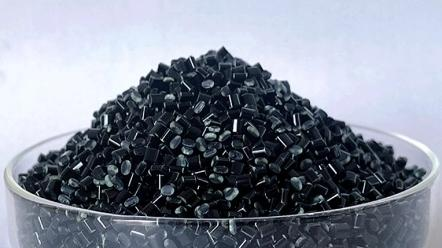
The top one-stop polymer material suppliers in China are often more popular because they reduce sourcing complexity, improve batch consistency, and help buyers match material grade to end-use performance faster. For B2B buyers, that matters more than price alone. A strong one-stop polymer material solution usually combines technical selection support, stable supply, application guidance, and faster response on OEM or custom requirements. In practice, that means fewer handoffs, fewer compatibility mistakes, and a smoother path from sample approval to mass production. This is especially valuable in footwear, automotive, adhesive, waterproofing, and industrial parts, where properties such as hardness, heat resistance, abrasion resistance, and processing window directly affect production yield and final product quality.
- One-stop polymer suppliers are popular because they reduce procurement risk and coordination cost.
- Material choice is driven by end-use performance, not only resin name or unit price.
- TPE, TPV, TPU, SBS, and SEBS each solve different processing and durability problems.
- Reliable suppliers support application matching, batch stability, and OEM customization.
- For China supplier sourcing, documentation, quality control, and lead time often matter as much as formulation.
Why are the top 7 one-stop polymer material suppliers in China more popular? Because buyers increasingly want a one-stop polymer material solution that links product selection, technical support, and delivery reliability, not just a quote. In polymer processing, a small mismatch in hardness, melt flow, or heat resistance can cause scrap, poor surface finish, or downstream assembly failure. For example, ASTM D412 is commonly used to evaluate tensile properties of vulcanized and thermoplastic elastomers, while ISO 37:2017 defines tensile testing for rubber. In purchasing, those standards matter because they turn vague claims into measurable data. Buyers also expect practical product navigation, such as TPU material options, TPE compounds, and SEBS grades, so they can move from concept to production without switching vendors repeatedly.
Why one-stop polymer material suppliers in China are gaining more trust
The main reason is that polymer buying has become a performance-driven decision, not a commodity transaction. A supplier may offer hundreds of grades, but if the buyer cannot quickly map them to application needs, the catalog creates more friction than value. One-stop suppliers are popular because they shorten the technical search path, especially for overseas buyers who need English communication, fast sample support, and stable export documentation.
Another reason is that the market rewards suppliers who can support multiple material families under one roof. A footwear buyer may need TPR/TR compounds for comfort and wear, while an automotive buyer may prefer TPV for higher heat and weather resistance. Adhesive formulators may compare SIS and SEBS depending on tack, cohesion, and compatibility. If one vendor can support all of those families, the buyer reduces qualification time and lowers the risk of formulation drift across projects.
| Buyer Need | Material Family | Typical Priority | Why One-Stop Help Matters |
|---|---|---|---|
| Footwear soles | TPR/TR, TPU | Wear, rebound, comfort | Faster hardness matching and color consistency |
| Automotive seals | TPV, TPE | Heat, aging, fatigue | Better grade comparison and testing support |
| Hot-melt adhesives | SIS, C5 resin | Tack, compatibility | Material pairing guidance reduces trial cost |
| Waterproofing | SBS, C9 resin | Low-temperature flexibility | Stable supply helps maintain formulation performance |
The second reason is that Chinese suppliers often compete on responsiveness. In polymer sourcing, response time is not just customer service; it is a production factor. If a buyer needs a hardness shift, a color change, or a new lot for validation, fast technical feedback can prevent line stoppage. That is one reason many B2B teams prefer a supplier that can cover TPV grades, SBS materials, and silicone masterbatch within the same sourcing workflow.
What a one-stop polymer material solution really means in B2B procurement
A true one-stop polymer material solution is not a broad product list; it is an integrated supply model. The supplier helps buyers identify the correct resin or compound, align it with the manufacturing process, and support repeatable production. That usually includes technical datasheets, processing recommendations, sample formulation support, and shipment consistency.
In practical terms, buyers use one-stop suppliers to reduce the number of interfaces between engineering, purchasing, and quality control. If the supplier can recommend whether TPE, TPV, TPU, or HIPS is the better fit, the customer can make decisions faster and with fewer validation loops. This is especially valuable in export-oriented manufacturing, where product launches often depend on compressed timelines.
| Service Layer | What Buyers Receive | Typical Impact |
|---|---|---|
| Material selection | Grade comparison, application fit | Shorter qualification cycle |
| Process support | Injection, extrusion, blending advice | Lower setup error risk |
| Quality consistency | Batch control, COA, traceability | More stable mass production |
| Customization | Hardness, color, feel, additive package | Better end-product alignment |
Material testing standards also show why this model is useful. A buyer who sources elastomers or modified plastics should know whether the supplier references test methods such as ASTM D624 for tear resistance or ISO 48-4:2018 for hardness of rubber and rubber products. These references help convert marketing language into measurable procurement criteria.
Why top China polymer suppliers are stronger when they cover multiple material families
Material breadth matters because end-use performance depends on the interaction between chemistry, processing, and design intent. A buyer who only sees a product name may miss the real selection logic. For example, TPE is often chosen because it combines rubber-like elasticity with plastic processability, making it suitable for injection molding and extrusion. TPV is usually selected when higher heat resistance, weathering resistance, and dynamic fatigue performance are needed. TPU is often the better option when abrasion, oil resistance, and high elasticity are central concerns.
That diversity explains why suppliers with broad material coverage are often more attractive than single-product vendors. They let buyers compare families on function, not just price. If a shoe component needs better wear resistance, a TPU grade may outperform a softer TPE. If an automotive seal needs more thermal stability, TPV may be the safer choice. If a adhesive formulation needs stronger tack, SIS and C5 resin can be evaluated together. If a waterproof membrane needs flexible reinforcement, SBS remains relevant. The value is in guided selection.
| Material | Main Strength | Typical Use Case | Selection Risk if Misused |
|---|---|---|---|
| TPE | Elasticity plus processability | General injection and extrusion | Wrong hardness or rebound profile |
| TPV | Heat and weather resistance | Automotive seals | Premature aging or deformation |
| TPO | Lightweight impact performance | Interior and industrial parts | Insufficient surface or rigidity balance |
| TPU | Abrasion and oil resistance | Footwear, cable jackets | Wear failure or processing instability |
| SEBS | Weathering and stability | High-end soft-touch applications | Poor outdoor durability if substituted poorly |
Industry testing further supports the need for multiple material families under one sourcing strategy. For example, elastomers and flexible compounds are often evaluated by tensile strength, elongation, tear resistance, hardness, and aging retention. When a supplier understands these metrics across several resin families, they can recommend a better match for the application rather than forcing the customer into a narrow catalog.
How application-specific sourcing improves footwear, automotive, and adhesive results
Application specificity is the difference between a generic polymer supplier and a trusted one-stop polymer material solution. Different industries care about different failure modes, so a supplier must interpret the same resin family through the lens of the final product.
In footwear, buyers usually care about wear resistance, comfort, rebound, and color stability. TPR/TR materials are valued because they can balance elasticity and cost for soles and related components. TPU is often used when abrasion resistance and resilience must be stronger. In this sector, small changes in formulation can affect grip, surface feel, and long-term appearance.
In automotive and industrial sealing, the focus shifts to heat resistance, weathering, dimensional stability, and fatigue life. TPV is often preferred because it is designed for tougher environmental exposure. In real production, this can mean fewer seal failures, better compression retention, and more consistent assembly fit across seasonal temperature swings.
In adhesives and waterproofing, the logic changes again. SIS is often selected for hot-melt and pressure-sensitive adhesive systems because tack and compatibility matter more than structural stiffness. SBS remains important in modified asphalt, waterproofing membranes, and certain adhesive blends. C5 and C9 petroleum resins are commonly used as tackifiers or modification components in these systems.
- Define the end-use failure mode first: wear, heat, tack, flexibility, or aging.
- Map the failure mode to a material family before asking for price.
- Request test data and method references, not only a brochure.
- Confirm batch consistency and processing conditions with the supplier.
- Validate the chosen grade in real production, not only in lab samples.
That workflow is one reason buyers return to top suppliers. They are not buying a single bag of polymer; they are buying reduced uncertainty.
What technical data buyers should request from a polymer supplier in China
Technical documents are the fastest way to separate a serious supplier from a weak one. A strong supplier should be able to provide a datasheet, testing basis, lot traceability, and processing guidance. Without those items, even a low quote can create expensive downstream problems.
Buyers should ask for physical properties, processing window, and consistency data. For elastomers and modified plastics, useful fields include hardness, tensile strength, elongation at break, melt flow behavior, density, shrinkage, heat resistance, and aging performance. If the supplier cannot identify the method used, the number is difficult to compare. If the method is identified, the number becomes actionable.

| Data Item | Why It Matters | Typical Reference |
|---|---|---|
| Hardness | Feels, flexibility, sealing force | ASTM D2240 / ISO 48 |
| Tensile strength | Load-bearing capacity | ASTM D412 / ISO 37 |
| Tear resistance | Durability in service | ASTM D624 |
| Heat aging | Long-term stability | Application-specific test plan |
| Melt processing range | Injection or extrusion stability | Supplier process sheet |
For buyers who need traceable references, the United States National Institute of Standards and Technology offers measurement resources that support reliable industrial testing, including NIST. For general material selection and consistency, it is also useful to consult the standard test language in ISO publications and the material-property methods published by ASTM. These references do not replace supplier data, but they make supplier data easier to verify.
How to evaluate a one-stop polymer supplier beyond price
Price is only one variable, and often not the decisive one. In B2B polymer sourcing, the hidden cost is usually rework, scrap, or delayed launch. A supplier that saves a few cents per kilogram but forces repeated formulation adjustments can cost far more over the full project.
A better evaluation framework checks whether the supplier can support technical fit, supply continuity, and project coordination. That means looking at product breadth, documentation quality, customization depth, responsiveness, and export readiness. It also means reviewing whether the supplier can handle standard and niche grades within the same service model.
- Check whether the supplier offers multiple material families relevant to your application.
- Ask for method-based technical data, not only nominal properties.
- Test whether the supplier can recommend alternatives when a grade is unavailable.
- Review lot consistency and sample lead time.
- Confirm after-sales technical support during pilot production.
In many cases, the most popular suppliers are those that reduce the number of decisions the buyer has to make. That is why a one-stop polymer material solution is attractive: it simplifies sourcing without forcing the buyer to sacrifice technical depth.
Why top 7 suppliers often win on consistency, not just variety
Consistency is the quiet advantage behind supplier popularity. A broad product list is helpful, but if each lot behaves differently, the supplier loses credibility fast. B2B customers want the same hardness, the same processing behavior, and the same final part feel from batch to batch.
In polymer production, consistency affects molding temperature stability, cycle repeatability, and quality acceptance. Even when a specification window looks acceptable on paper, a narrow process margin can create defects in high-volume production. That is why experienced buyers often prefer a supplier with strong process control and repeatable output rather than a supplier that only advertises variety.
In export manufacturing, consistency is even more important because customers may need the same grade across different factories or regions. Suppliers that can hold formulation stability, packaging discipline, and shipment timing often gain repeat business faster than suppliers that compete only on initial price.
For that reason, popular China suppliers tend to combine three traits: broad polymer coverage, application-level technical support, and dependable delivery execution. When those three elements align, the buyer experiences lower friction from inquiry to production.
FAQ about one-stop polymer material solution and China supplier selection
What is a one-stop polymer material solution?
It is a sourcing model where the supplier supports material selection, technical guidance, sample development, and batch supply across related polymer families, reducing the number of vendors and approval steps.
Why do buyers prefer a China supplier for polymer materials?
Many buyers prefer a China supplier because of broader material options, faster technical response, export experience, and the ability to support OEM and custom requirements in one workflow.
Which material is better, TPE or TPV?
Neither is universally better. TPE is often chosen for flexible processing and broad use, while TPV is preferred when heat resistance, weathering, and fatigue performance are more important.
When should a buyer choose TPU instead of TPR?
TPU is usually the better choice when abrasion resistance, oil resistance, and stronger mechanical durability are required, while TPR/TR often fits cost-sensitive comfort and footwear applications.
Why are SEBS and SBS both important in polymer sourcing?
SBS is widely used in adhesives, waterproofing, and modification systems, while SEBS usually offers better weathering and stability for higher-end soft-touch or outdoor applications.
What should a buyer ask before placing a bulk order?
The buyer should ask for datasheets, test methods, lot consistency information, processing recommendations, and sample validation support before committing to mass production.
How can a buyer reduce risk when switching suppliers?
The safest approach is to compare method-based test data, run pilot trials, confirm processing windows, and verify that the new supplier can hold batch consistency over time.
In summary, the top 7 one-stop polymer material suppliers in China are more popular because they help buyers reduce complexity, make better technical choices, and keep production stable. In a market where material performance, timing, and consistency directly affect profit, that combination is far more valuable than a simple low-price quote.