
Leave Your Message
-
Contact WhatsApp
-
 Contact Phone
-
 Contact Email
China’s Interior TPE market is really growing—thanks to more vehicle production, softer touch designs, and tougher standards for materials. According to the China Association of Automobile Manufacturers, they sold about 31.28 million vehicles in 2024. That’s a HUGE number, and it fuels strong demand for things like dashboard skins, door inserts, center consoles, and grip surfaces.
On a broader scale, Grand View Research estimates that the global thermoplastic elastomers market hit around USD 25.75 billion in 2023. They’re also expecting an 8.7% compound annual growth rate from 2024 all the way to 2030. All these figures point to China’s supplier base getting bigger and more diverse. But honestly, just looking at market size isn’t enough to figure out who the really reliable partners are. When it comes to interior TPE, you gotta consider stuff like low fogging, odor control, abrasion resistance, color stability, weldability, and consistent injection molding. Even small differences matter—a dashboard might feel super soft in the showroom but could turn sticky after a hot summer day.
Dr. Johannes Karl Fink, an expert in elastomer technology, says it best: “Elastomers should be chosen based on their actual service conditions, not just their labels.” That’s a key point guiding how we review China's top suppliers, like Kingfa, Wanhua Chemical, and others who specialize in this field. When we evaluate them, we look at things like technical documentation, production capacity, experience with automotive applications, ability to customize, and how consistent their quality is. The thing is, public info isn’t always even—some suppliers share detailed test methods, while others give only limited performance data. That’s something buyers need to watch out for. It’s smart to ask for samples, technical data sheets, VOC test results, aging data, and even factory audits before sealing any deals. Sure, this overview helps, but it’s not perfect. Supplier capabilities can vary depending on the grade, plant, and specific application—so don’t make assumptions—ask questions, verify, and expect some back-and-forth.
All in all, navigating this market means doing your homework, but with a little effort, you’ll be in a good spot to find the right partner.
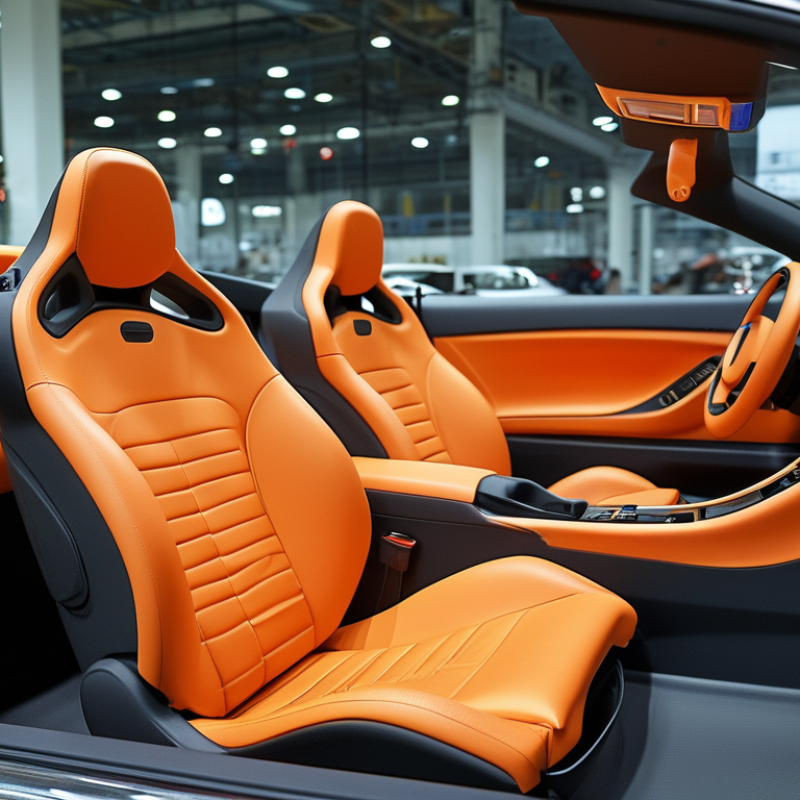
China’s growing vehicle output is increasing demand for interior TPE materials. The China Association of Automobile Manufacturers reported 31.28 million vehicles produced in 2024. New-energy vehicles accounted for about 12.89 million units.
TPE means thermoplastic elastomer. It combines rubber-like softness with plastic processing. Common grades include SEBS, TPU, TPV, and TPO. Engineers use them for instrument-panel skins, door-trim surfaces, center-console pads, seals, air outlets, and anti-slip mats. They can be injection molded, overmolded, and reshaped efficiently. That flexibility supports detailed textures and softer touch points.
Performance matters more than appearance. Interior TPE must resist scratching, heat, skin oils, ultraviolet exposure, and repeated cleaning. Low odor and low VOC emissions are also important in enclosed cabins. A 2024 Grand View Research report valued the global TPE market at roughly USD 26 billion in 2023 and projected strong growth through 2030. However, market growth does not guarantee quality. Recycled content may reduce environmental impact, but blended materials and adhesives can complicate recycling. This point deserves more honest testing. Supplier evaluations should review third-party VOC data, abrasion results, odor testing, batch consistency, and long-term aging records before selecting among China’s leading TPE suppliers.
| No. | Interior TPE Material Category | Typical Interior Applications | Typical Hardness | Typical Density | Typical Continuous Service Range | Main Performance Advantages | Common Processing Methods | Typical Sourcing Considerations |
|---|---|---|---|---|---|---|---|---|
| 01 |
TPO Thermoplastic Polyolefin |
Instrument panels, door panels, pillar trim, console substrates and soft-touch skins | Shore A 60–95 | 0.88–0.98 g/cm³ | Approximately −40°C to 100°C | Low density, good impact resistance, strong chemical resistance, low moisture absorption and good recyclability | Injection molding, extrusion, thermoforming and slush molding | Check scratch resistance, fogging, odor, grain replication, paintability and compatibility with polypropylene substrates |
| 02 |
TPV Thermoplastic Vulcanizate |
Sealing elements, flexible ducts, anti-rattle parts, grommets and soft interior interfaces | Shore A 45–95 | 0.90–0.98 g/cm³ | Approximately −50°C to 125°C | Excellent elastic recovery, compression-set resistance, weathering resistance and long-term heat stability | Injection molding, extrusion and co-extrusion | Evaluate compression set, sealing force, surface appearance, weld-line behavior and bonding to rigid polymers |
| 03 |
SEBS-Based TPE Styrenic Block Copolymer |
Soft-touch grips, console pads, cup-holder liners, trim overlays and tactile control surfaces | Shore A 20–90 | 0.90–1.10 g/cm³ | Approximately −40°C to 100°C | Excellent softness, pleasant haptics, broad hardness range, easy color matching and good overmolding capability | Injection molding, two-shot molding, insert molding and extrusion | Review oil resistance, abrasion, tackiness, odor, fogging, UV stability and adhesion to the selected substrate |
| 04 |
TPU Thermoplastic Polyurethane |
Protective films, decorative surfaces, flexible trim, cable protection and high-abrasion interior components | Shore A 70–98 or Shore D 35–65 | 1.10–1.25 g/cm³ | Approximately −30°C to 90°C; special grades can operate higher | High abrasion resistance, strong tear strength, good flexibility and good resistance to oils and many chemicals | Injection molding, extrusion, film casting and thermoforming | Control moisture before processing and verify hydrolysis resistance, yellowing, fogging, surface friction and VOC performance |
| 05 |
TPEE Thermoplastic Polyester Elastomer |
Flexible air channels, protective covers, structural flexible parts and components requiring fatigue resistance | Shore A 80–98 or Shore D 30–70 | 1.10–1.30 g/cm³ | Approximately −40°C to 120°C | High fatigue resistance, good dimensional stability, strong tear resistance and reliable performance at elevated temperatures | Injection molding, extrusion and blow molding | Assess hydrolysis resistance, low-temperature flexibility, flex-fatigue life, mold shrinkage and drying requirements |
| 06 |
TPU- or TPO-Foam TPE Microcellular or Foamed Elastomer |
Energy-absorbing pads, acoustic interfaces, cushioning layers and lightweight trim components | Shore A 30–85 | 0.20–0.80 g/cm³ | Approximately −30°C to 100°C | Low weight, vibration damping, soft touch, sound absorption and improved impact comfort | Foam injection molding, extrusion foaming, lamination and compression molding | Verify cell structure, compression set, recovery, odor, fogging, thickness tolerance and long-term aging performance |
| 07 |
TPE Overmolding Grades Substrate-Bonding Formulations |
Steering-wheel controls, switches, handles, armrests, bezels and soft-touch functional assemblies | Shore A 30–90 | 0.90–1.20 g/cm³ | Approximately −40°C to 100°C | Combines rigid and flexible components in one part, improves grip and reduces assembly steps | Two-shot injection molding, insert molding and automated overmolding | Confirm chemical bonding to PP, ABS, PC/ABS or PA, along with mold-temperature window, shrinkage and delamination resistance |
| 08 |
Low-VOC Interior TPE Emission-Control Formulations |
Instrument panels, center consoles, door trim, air-vent components and enclosed cabin parts | Shore A 50–95 | 0.90–1.15 g/cm³ | Approximately −40°C to 100°C | Reduced volatile emissions, lower odor, good surface appearance and suitability for enclosed vehicle cabins | Injection molding, slush molding, extrusion and thermoforming | Request VOC, fogging, odor, aldehyde, amine and formaldehyde test data using the target vehicle manufacturer's method |
| 09 |
Flame-Retardant TPE Interior Safety Formulations |
Electrical trim, cable coverings, flexible ducts, seat-related components and selected hidden interior parts | Shore A 60–95 | 0.95–1.35 g/cm³ | Approximately −40°C to 105°C | Improved resistance to ignition and flame spread while retaining flexibility and processability | Injection molding, extrusion and co-extrusion | Check the required flammability standard, smoke generation, surface blooming, mechanical-property retention and additive compatibility |
| 10 |
Recycled-Content TPE Design-for-Recycling Formulations |
Non-critical trim, console components, storage liners, protective covers and selected visible interior parts | Shore A 50–95 | 0.90–1.20 g/cm³ | Approximately −30°C to 100°C | Can reduce dependence on virgin resin and support material circularity when contamination and consistency are controlled | Injection molding, extrusion, thermoforming and compounding | Verify recycled-content traceability, batch consistency, odor, VOC, color variation, mechanical performance and end-of-life compatibility |
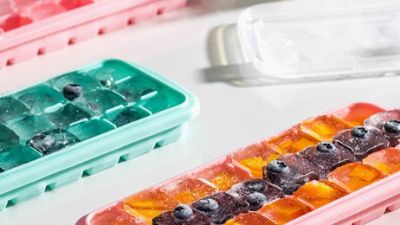
China food-grade TPE suppliers are increasingly supporting the demand for safer, more adaptable materials in food-contact applications. According to the OECD’s *Global Plastics Outlook*, packaging represented approximately 40% of global plastic waste in 2019, highlighting the need for durable materials that can extend product life and reduce replacement frequency. Our natural-color or translucent TPE is formulated for practical processing, with a hardness range from 35A to 60D. It is odorless, environmentally friendly, non-toxic, and suitable for customized production according to different design and performance requirements.
As a professional China factory, we provide stable material solutions for meat trays, food-storage container sealing rings, ice cube molds, baby soft spoons, bottle handles, suction cups, cutting boards, glue sealing rings, and wine bottle stoppers. The material offers a balanced combination of softness, elasticity, sealing performance, and durability, helping manufacturers improve comfort and product reliability. A 2024 packaging industry analysis also identified food packaging as one of the fastest-growing application areas for flexible polymer materials, driven by convenience, hygiene, and reusable product designs. With controlled manufacturing processes and flexible hardness options, our food-grade TPE can be tailored for transparent or natural appearances while meeting the functional needs of diverse food-contact products.
TPE means thermoplastic elastomer. It combines rubber-like softness with plastic processing. Common types include SEBS, TPU, TPV, and TPO.
They appear in dashboard skins, door trims, console pads, seals, air outlets, and anti-slip mats. A console mat may face oily fingerprints every day.
TPE supports injection molding, overmolding, detailed textures, and softer touch points. It also helps create lightweight interior parts.
Buyers should check scratch resistance, heat aging, ultraviolet stability, odor, VOC emissions, and cleaning resistance. Appearance alone is not enough.
Request hardness data, abrasion results, compression-set tests, odor reports, and third-party VOC testing. Batch records can reveal inconsistent production.
Not always. Recycled content may reduce environmental impact, but blended materials and adhesives can complicate recycling. More honest testing is needed.
A suitable supplier should provide molded samples, technical data, traceability records, quality documents, and relevant substance testing. Fast technical replies also matter.
No. Laboratory results may not match every climate, mold design, or assembly condition. Field testing remains necessary, though it is often limited.
TPV is often used for seals, while TPO suits some dashboard skins. TPU supports abrasion resistance, and SEBS-based TPE suits soft-touch parts.
Compare material fit, test evidence, batch consistency, production controls, and annual capacity. A large factory may still provide the wrong compound.
This guide examines China’s top 10 Interior Tpe suppliers and explains how thermoplastic elastomers are used in automotive interiors. Interior Tpe materials combine flexibility, soft-touch performance, durability, processability, and recyclability, making them suitable for instrument panels, door trims, armrests, seals, consoles, and other cabin components. The article also describes how China’s supplier market is organized, including compounders, material developers, processors, and export-oriented manufacturers.
To help buyers compare suppliers, the guide presents practical evaluation criteria such as material consistency, technical support, customization capability, production capacity, delivery reliability, quality control, and compliance with relevant automotive standards. It also summarizes typical products, application requirements, testing methods, certifications, and manufacturing capabilities. Finally, readers will find a structured approach to selecting the right supplier based on performance needs, processing methods, project volume, budget, communication efficiency, and long-term cooperation potential.