

Finding a reliable manufacturer of C9 Hydrogenated Hydrocarbon Resin from China isn’t just about comparing price tags. You see, this material really impacts things like tackiness, color stability, smell, and heat resistance in all sorts of adhesives and coatings. A good supplier should be willing to walk you through each of these performance points, explaining things in plain language without any confusing jargon.
When it comes to evaluating C9 hydrogenated hydrocarbons, folks usually look at stuff like softening point, Gardner color, bromine value, melt viscosity, and how compatible it is with other materials. But here’s the thing — those numbers only matter if they line up with what you actually need. For example, if you're working on a hot-melt adhesive, you’ll want consistent pellet quality, a low odor, and reliable flow at certain temperatures. Even tiny variations can throw off the coating thickness or the production process.
Most experienced manufacturers will be transparent—providing detailed technical data sheets, batch records, and samples to test. They should also offer practical advice on formulation, talk about hydrogenation levels, storage tips, and how to package everything to keep it fresh. For instance, Hydrogenated Sbs formulas might need careful resin choices because compatibility can change depending on polymer grade and processing temperature. A solid supplier doesn’t just promise you “premium quality” — they explain how they test their stuff, what limits they have, and what kind of variation to expect.
Of course, nobody’s perfect. Sometimes you’ll see published data that’s a bit sparse or unclear, and that’s a good reason to ask more questions, not just dismiss them outright. It’s smart to request recent samples, get independent testing if needed, and ask straightforward questions about their production capacity. Doing a factory audit can also reveal a lot — like whether their handling areas stay clean, how well they label things, and if they protect against moisture. Trustworthy partnerships are built on consistent results, honest communication, and documented improvements over time. That’s how you really find a dependable Chinese supplier for C9 Hydrogenated Hydrocarbon Resin.
C9 hydrogenated hydrocarbon resin is a thermoplastic resin derived from C9 aromatic hydrocarbon feedstocks. During hydrogenation, reactive double bonds are reduced under controlled pressure and temperature. This process lowers color, odor, and chemical reactivity. The result is a pale resin with improved resistance to heat, ultraviolet exposure, and oxidation.
Its softening point commonly supports stable performance in hot-melt adhesives, pressure-sensitive adhesives, coatings, printing inks, and rubber compounds. It also offers useful compatibility with elastomers, EVA, polyolefins, and selected solvents. Low moisture matters. It helps reduce bubbles and uneven coating surfaces during processing. In practical production, technicians should check softening point, color value, acid value, melt viscosity, and compatibility before selecting a grade.
There is no universally best specification. A resin suitable for a transparent adhesive may perform poorly in a high-temperature coating. Tpe Resin is different because it refers to thermoplastic elastomer materials, while C9 hydrogenated resin mainly adjusts tack, hardness, flow, and cohesion. Small testing errors can create large performance differences. For example, excessive resin loading may improve initial tack but weaken holding power. Storage also deserves attention. Keep sealed packaging away from moisture, heat, and direct sunlight. A careful manufacturer should provide consistent batch data, traceable testing records, and technical guidance based on the customer’s formulation, not only a standard product sheet.
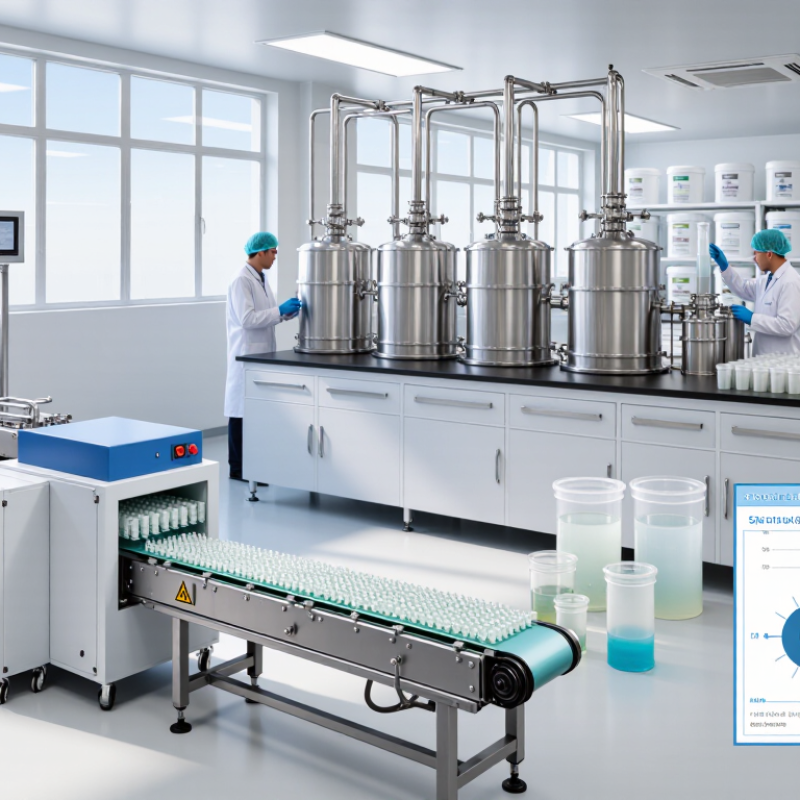
C9 hydrogenated hydrocarbon resin begins with carefully selected C9 aromatic feedstock. Chinese manufacturers typically separate this material through controlled distillation. The process removes unstable fractions and adjusts the softening range. Each batch needs laboratory testing before production continues.
The purified resin is then hydrogenated inside a sealed reactor. Hydrogen reacts with unsaturated molecules under controlled heat and pressure. A suitable catalyst improves conversion and reduces unwanted color. Operators monitor temperature, pressure, hydrogen uptake, and reaction time. Small changes can affect odor, color, and thermal stability.
After hydrogenation, the mixture passes through filtration and polishing stages. These steps remove catalyst traces and fine particles. The finished resin is cooled, solidified, and packed in moisture-resistant bags or cartons. Quality teams test softening point, color, melt viscosity, and bromine value. They also compare samples from different production lots.
Reliable production depends on more than modern equipment. It requires trained operators, calibrated instruments, and traceable records. In practice, feedstock variation can still create unexpected results. Not every batch behaves identically. That reality deserves attention. Manufacturers often adjust distillation cuts or reaction conditions after reviewing test data. This hands-on correction helps maintain consistency for adhesives, coatings, inks, and rubber applications. Better results usually come from disciplined control, not rushed processing.
China Top C9 Hydrogenated Hydrocarbon Resin Manufacturer?
Key Performance Characteristics and Technical Specifications
C9 hydrogenated hydrocarbon resin is valued for its pale color, low odor, and improved aging resistance. In practical adhesive trials, its softening point commonly ranges from 95°C to 140°C. This range affects coating hardness, melt flow, and final tack. The resin should also show low acid value and controlled bromine content. These values indicate cleaner hydrogenation and better resistance to oxidation.
Melt viscosity is another important specification. A narrow viscosity range supports stable feeding during hot-melt processing. Compatibility with elastomers, polyolefins, and Thermoplastic Elastomer Resin systems should be tested at actual processing temperatures. Small differences can change peel strength and open time. Color stability matters, too. A low Gardner color helps maintain a cleaner appearance in transparent or light-colored products.
Reliable evaluation requires more than a laboratory certificate. Check softening point, color, ash, moisture, and thermal stability from several production lots. Measure tack after heat aging, not only after preparation. That detail is often missed. One limitation remains: a resin suitable for pressure-sensitive adhesive use may not perform well in sealants or rubber compounding. I would also review storage conditions carefully, because prolonged heat exposure can alter pellet flow and blending behavior. Performance claims should be confirmed through application testing, not assumed from specifications alone.
| Performance Category | Technical Parameter | Typical Specification | Common Test Method | Technical Significance |
|---|---|---|---|---|
| Product Identity | Chemical type | Hydrogenated C9 petroleum hydrocarbon resin | Product classification | A thermoplastic resin produced by hydrogenating aromatic C9 hydrocarbon resin fractions. |
| Physical Form | Appearance | White to pale-yellow solid granules or flakes | Visual inspection | Hydrogenation generally improves color stability and reduces the original aromatic coloration. |
| Softening Behavior | Ring-and-ball softening point | 100–140 °C | ASTM E28 or equivalent | The selected grade should match the required heat resistance, coating hardness, and application temperature. |
| Color | Gardner color | ≤ 1–3 | ASTM D1544 or equivalent | Low color is important for transparent, light-colored, and appearance-sensitive formulations. |
| Color Stability | Heat-aged color stability | Low color change after controlled heating | Application-specific heat-aging test | Hydrogenation lowers residual unsaturation and improves resistance to thermal and oxidative discoloration. |
| Acid–Base Characteristics | Acid value | Typically ≤ 0.5 mg KOH/g | ASTM D974 or equivalent | A low acid value supports compatibility with non-reactive polymers, adhesives, and elastomer systems. |
| Volatile Content | Volatile matter | Typically ≤ 1.0 wt% | Loss-on-heating test | Lower volatile content helps reduce odor, foaming, and weight loss during processing. |
| Ash and Inorganic Residue | Ash content | Typically ≤ 0.10 wt% | ASTM D2584 or equivalent | Low ash minimizes deposits, contamination, and adverse effects on film or coating appearance. |
| Solubility | Solubility profile | Soluble in aromatic and aliphatic hydrocarbon solvents; generally insoluble in water | Visual solubility evaluation | Solubility depends on resin grade, solvent type, temperature, and formulation composition. |
| Molecular Characteristics | Number-average molecular weight | Typically about 500–1,500 g/mol | GPC or equivalent | Molecular-weight distribution influences melt viscosity, compatibility, tack, and cohesive strength. |
| Melt Processing | Melt viscosity | Grade-dependent; commonly specified at 180 °C | Rotational or capillary rheometry | Viscosity data should be compared only at the same temperature, shear rate, and test geometry. |
| Thermal Performance | Glass-transition temperature (Tg) | Typically about 40–80 °C | DSC, ASTM D3418 or equivalent | Tg affects low-temperature flexibility, blocking resistance, hardness, and tack development. |
| Chemical Stability | Resistance to oxidation and UV-related yellowing | Improved compared with non-hydrogenated C9 resin | Accelerated aging evaluation | Performance also depends on stabilizers, polymer matrix, pigment package, and processing conditions. |
| Adhesive Performance | Compatibility with polymers | Commonly compatible with SIS, SBS, SEBS, EVA, and selected elastomers | Formulation compatibility screening | Compatibility must be confirmed with the exact polymer grade, plasticizer, wax, and oil system. |
| Adhesive Performance | Tack and peel contribution | Formulation-dependent; adjustable through resin softening point and dosage | Peel adhesion and loop-tack testing | The resin can balance initial tack, cohesive strength, heat resistance, and open time in hot-melt adhesives. |
| Typical Applications | End-use areas | Hot-melt adhesives, pressure-sensitive adhesives, coatings, inks, sealants, and rubber modification | Application qualification | Final suitability depends on regulatory requirements, formulation design, and processing conditions. |
| Packaging and Storage | Recommended storage conditions | Keep sealed, dry, cool, and away from direct sunlight and ignition sources | Standard material-handling practice | Avoid moisture uptake, prolonged heat exposure, and contamination during storage and handling. |
Hydrogenated C9 hydrocarbon resin supports demanding adhesives, coatings, and rubber products. Its pale color, low odor, and improved aging resistance suit hot melt adhesives and pressure-sensitive systems. In a factory trial, technicians often check melt clarity at 160°C, then observe peel strength after heat exposure. Coating formulators may use it to improve gloss, tack, and moisture resistance. Rubber compounds can benefit from better wetting and controlled hardness. However, resin selection depends on polymer compatibility, softening point, and dosage.
A reliable manufacturer should provide consistent batches, technical data, and practical formulation guidance. Testing matters more than a polished specification sheet. A resin may perform well in one adhesive but weaken another after storage. This is easy to overlook. It should also be distinguished from Tpv Plastic Resin, which serves different material systems and processing goals. Clear traceability, sample testing, and responsive technical support help reduce production risks.
Tips: Start with a small laboratory blend. Record resin color, softening point, viscosity, and odor. Test peel, shear, and heat aging under real conditions. For rubber, inspect mixing time and surface tack. Do not rely on one test result. Formulation work is rarely perfect, and a second trial may reveal better balance.
Selecting a Chinese resin manufacturer requires more than comparing prices. Check the supplier’s experience with C9 hydrogenated hydrocarbon resin production, not only general chemical trading. Ask for recent certificates of analysis from several batches. Important data includes softening point, color, melt viscosity, ash content, and odor. These values should remain stable within agreed limits.
Quality control needs visible evidence. A reliable factory should explain raw material inspection, hydrogenation control, filtration, packaging, and warehouse conditions. Request batch traceability from incoming materials to finished pellets. Independent laboratory testing can verify key results before large shipments. Production records should be clear.
Review the manufacturer’s quality system and technical response time. A capable team can discuss application needs, processing temperature, compatibility, and storage without vague promises. Sample testing should use your actual formulation when possible. A factory sample may perform well alone but change inside an adhesive or coating system. This is an easy detail to overlook.
My own checklist would not rely on a factory tour. Clean floors can look convincing, yet they cannot prove long-term stability.
Compare at least three production batches and inspect packaging after transport simulation. Also ask how complaints are investigated and corrected.
No supplier is perfect, and an honest answer about a previous quality issue may reveal stronger management than polished sales language. Price still matters, but unstable color or viscosity can cost more during production.
Choosing a leading C9 hydrogenated hydrocarbon resin supplier requires more than comparing prices. Practical experience matters. A reliable manufacturer should show stable production records, clear specifications, and repeatable batch performance.
In adhesive development, small resin changes can affect tack, color, and aging resistance. I would check softening point, color value, molecular weight distribution, and hydrogenation level. The supplier should provide recent test reports, not only standard templates. Samples must be tested with the actual polymer system, including Hydrogenated styrene-butadiene polymer. Compatibility can change with temperature, oil content, and processing speed.
Manufacturing control also reveals technical strength. Clean reactors, monitored hydrogenation, and careful filtration help reduce odor and unwanted color. Good suppliers explain these controls in practical terms. They also support pilot trials and adjust recommendations for hot-melt adhesives, coatings, or rubber modification.
No supplier gets every batch perfect. That is worth admitting. A lower price may hide longer lead times or uneven quality. I would ask about storage conditions, packaging strength, export documentation, and complaint handling before placing a large order. Fast answers are useful, but accurate answers matter more. A dependable partner can discuss limitations without making unrealistic promises. Availability should be checked carefully, especially when projects require narrow specifications or frequent deliveries.
A leading C9 hydrogenated hydrocarbon resin supplier should provide consistent softening point, low color, low acid value, low bromine number, and controlled ash content. The chart shows representative commercial specification ranges commonly used when evaluating hydrogenated C9 resin quality; exact limits vary by grade and application.
China’s hydrocarbon resins and hydrogenated hydrocarbon resins suppliers are gaining attention in international markets for their combination of manufacturing capability, product consistency, and competitive pricing. These materials are widely used in adhesives, coatings, printing inks, rubber compounds, road-marking formulations, and other industrial applications. Hydrocarbon resins can provide tack, cohesion, gloss, and compatibility, while hydrogenated grades offer improved color stability, odor control, heat resistance, and weathering performance for more demanding formulations.
Our premium products are sourced directly from trusted Chinese suppliers and manufactured under carefully controlled processes to meet global quality expectations. As an experienced factory partner, we support buyers with dependable supply, consistent specifications, flexible packaging, and responsive communication. Each batch is produced with attention to purity, softening point, color, compatibility, and application requirements, helping customers achieve stable performance in their finished products. Whether you need standard hydrocarbon resins or hydrogenated grades for advanced adhesive, coating, ink, or rubber applications, our supply capabilities provide a practical balance between affordability and quality while supporting long-term international cooperation.
It starts with carefully selected C9 aromatic feedstock. Distillation removes unstable fractions and adjusts the softening range. Each batch requires laboratory testing.
Purified material enters a sealed reactor. Hydrogen reacts with unsaturated molecules under controlled heat and pressure. A catalyst improves conversion and reduces unwanted color.
Operators monitor temperature, pressure, hydrogen uptake, and reaction time. Small changes can affect color, odor, and thermal stability. Details matter.
The mixture passes through filtration and polishing stages. These steps remove catalyst traces and fine particles. The resin is then cooled, solidified, and packed in moisture-resistant bags or cartons.
Quality teams test softening point, color, melt viscosity, and bromine value. They compare samples from different production lots. One result is not enough.
It supports adhesives, coatings, inks, and rubber products. Common benefits include pale color, low odor, improved aging resistance, and controlled hardness.
Start with a small laboratory blend. Test melt clarity, peel strength, shear strength, and heat aging. A resin may work well in one adhesive but weaken another after storage.
Inspect mixing time, surface tack, wetting, and hardness. Check performance under realistic processing conditions. The second trial may reveal a better balance.
C9 Hydrogenated Hydrocarbon Resin is a refined thermoplastic resin produced by hydrogenating C9 hydrocarbon feedstock, a process that improves color stability, odor control, thermal resistance, and compatibility with other polymers. In China, manufacturers typically use carefully controlled polymerization, hydrogenation, filtration, and purification processes to create resins with consistent softening points, molecular weight distribution, and low impurity levels. These technical characteristics make the material suitable for demanding industrial formulations.
C9 Hydrogenated Hydrocarbon Resin is widely used as a tackifier and performance modifier in hot-melt adhesives, pressure-sensitive adhesives, coatings, printing inks, sealants, and rubber products. When selecting a Chinese manufacturer, buyers should evaluate raw material control, production capacity, quality management systems, product consistency, technical support, packaging, and supply reliability. A leading supplier should also provide clear technical specifications, testing documentation, customization options, and responsive service, helping customers achieve stable processing performance and reliable results across different applications.